
Start with measured cooling demand
Parked cooling demand depends on insulation, sun exposure, ambient and set temperatures and occupancy. Record current during start-up, steady operation and compressor modulation rather than relying on rated power alone.
Define the roles of starter and service batteries and the required reserve. Cooling demand should be planned alongside the vehicle’s starting requirements.
Identify the DC or AC supply path
Supply 24V or 48V DC cooling through a compatible battery bus and protected circuit; AC cooling requires an appropriate inverter. Check the full input-voltage range, continuous demand, transient current and cabling.
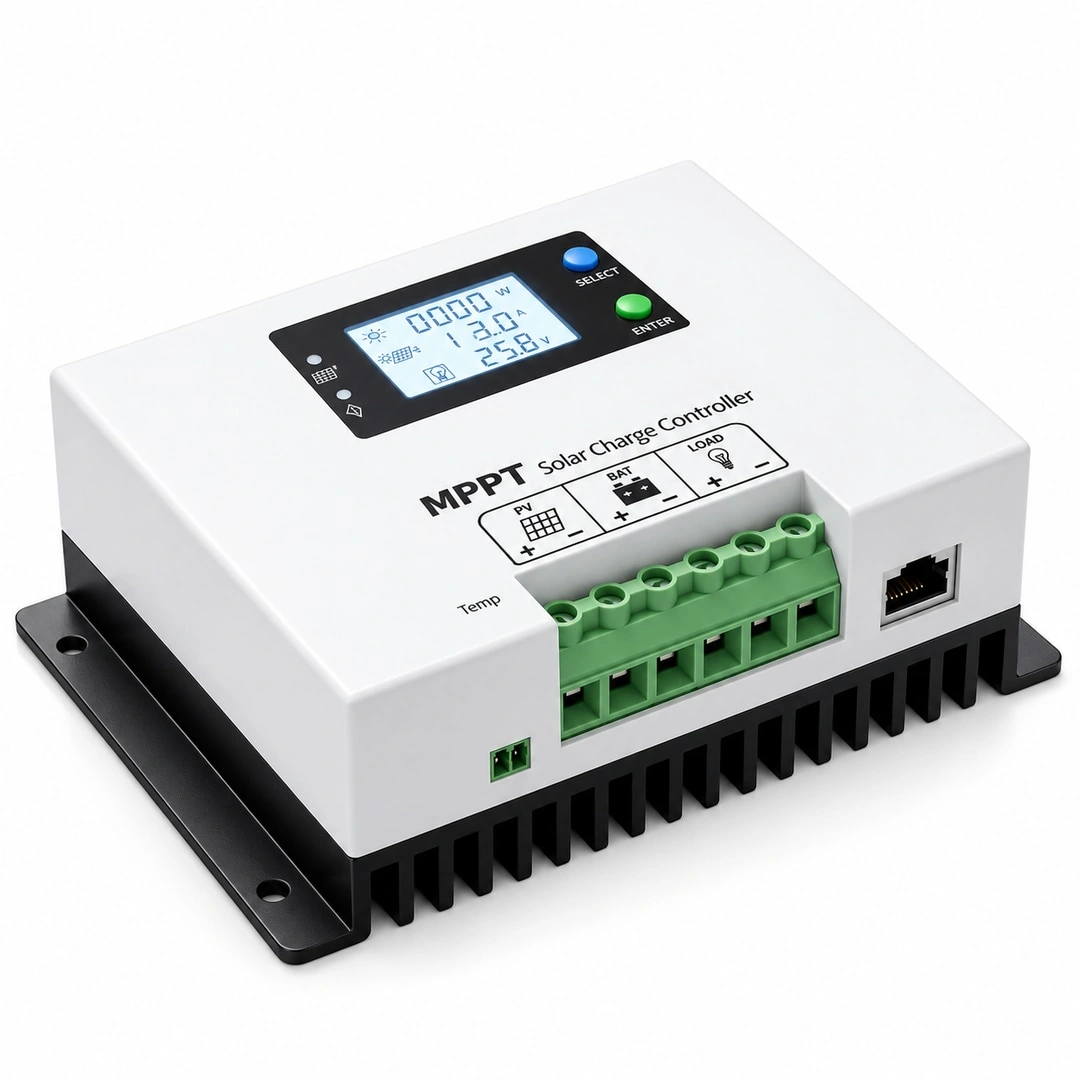
MPPT transfers solar energy to the battery. Its charge-current rating does not establish battery or inverter output capability, and the LOAD terminals must not be assumed suitable for a compressor.
Estimate parked energy using average power
If measured average input is assumed to be 600W for six hours, the appliance needs about 3.6kWh. Add other loads, distribution or inverter losses and reserve energy. The 600W figure is illustrative, not a universal cooling specification.
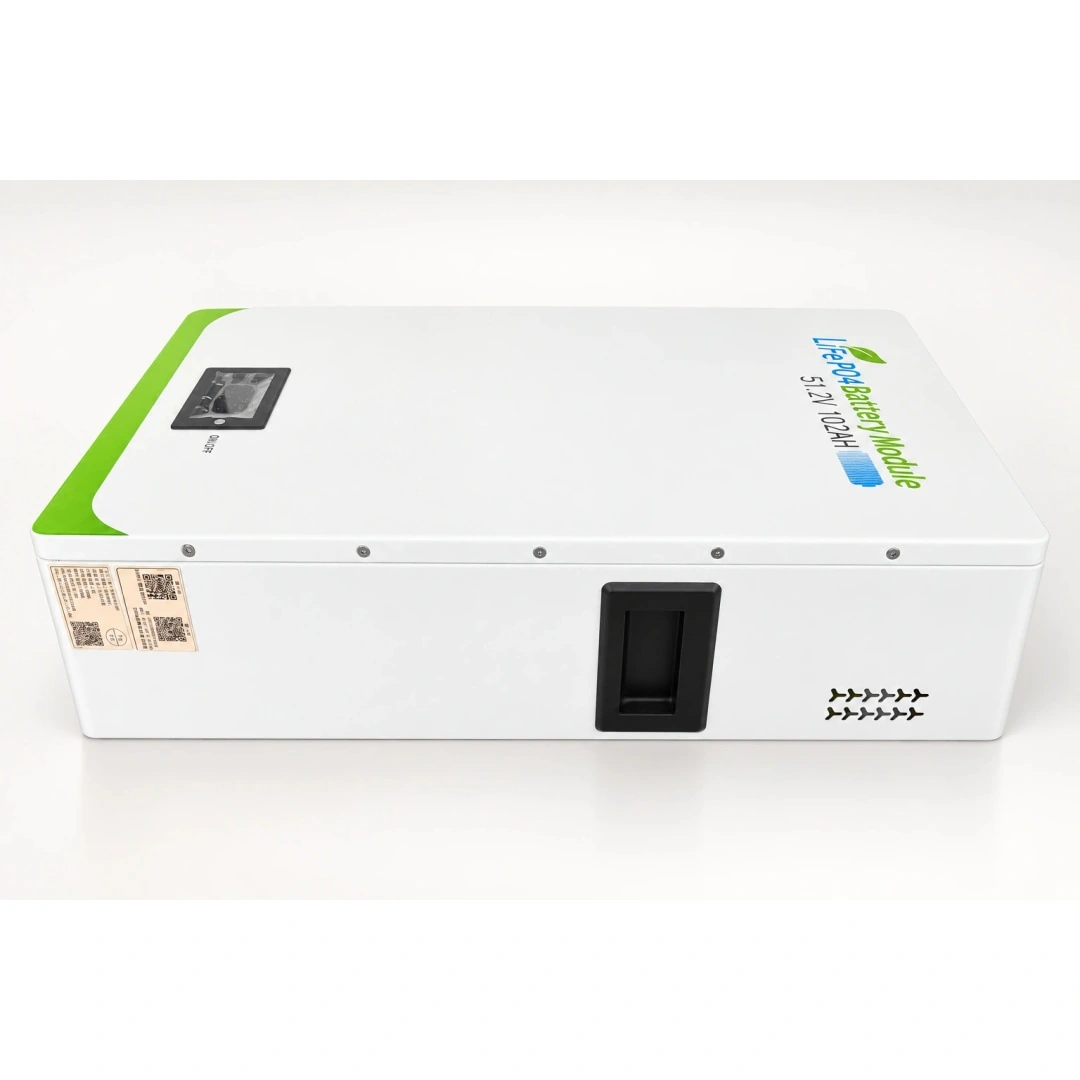
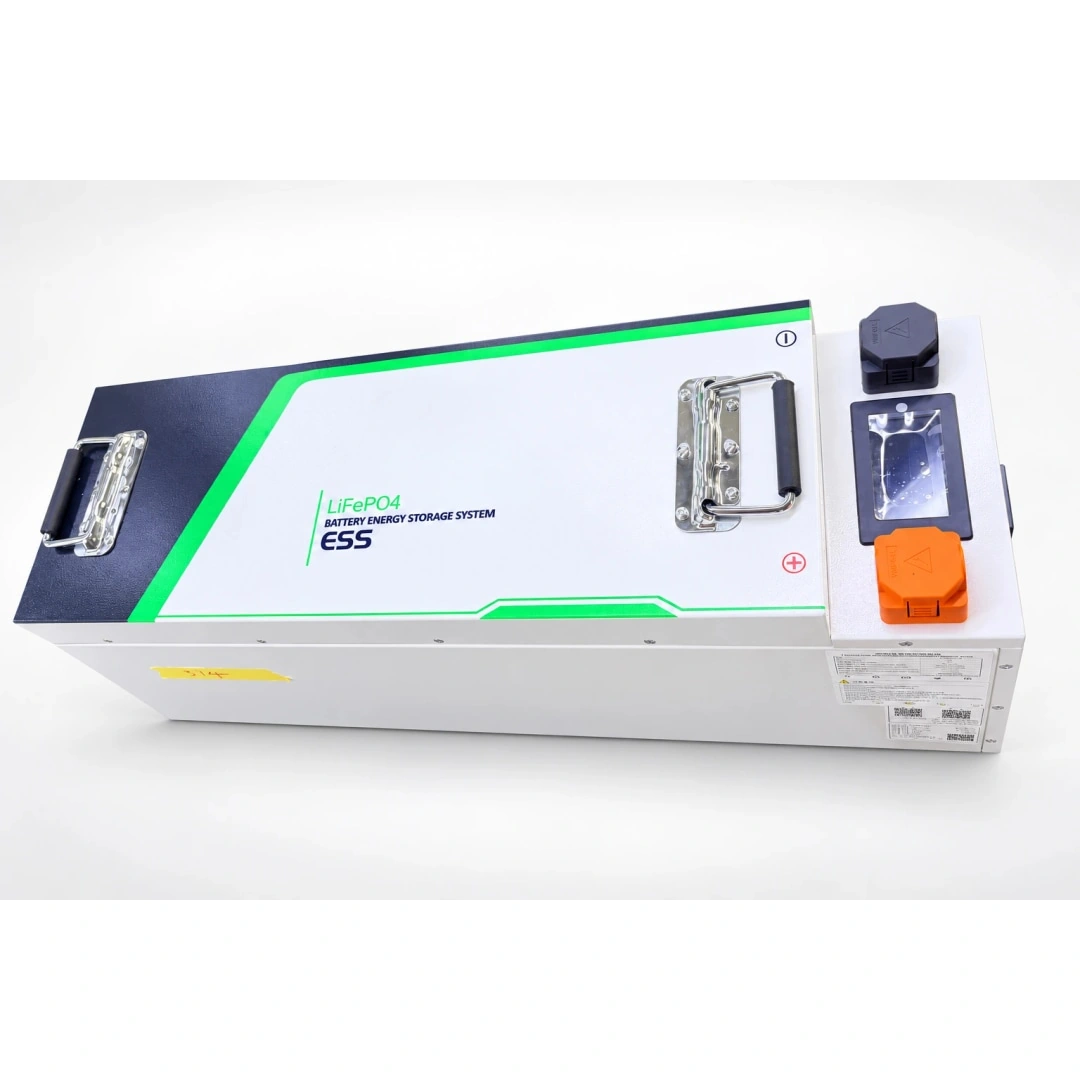
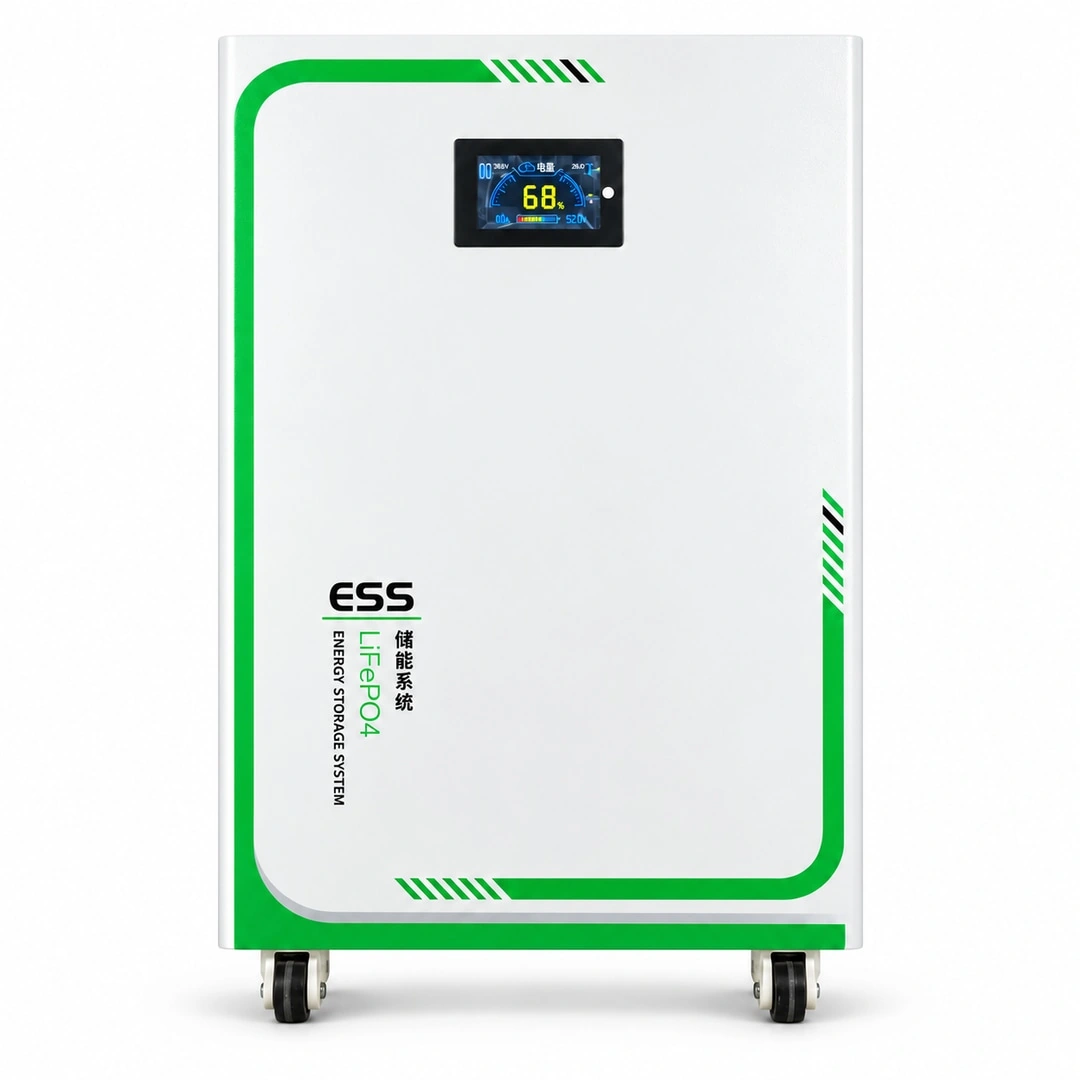
The 24V 8kWh pack is an option for a 24V system. Confirm usable energy, continuous and peak battery output and BMS limits before estimating runtime.
Plan recharging and installation together
Roof area, shading and parking orientation constrain solar recharge; panel nameplate power is not continuously available cooling power. Alternator charging requires checks of vehicle strategy, available alternator capacity and DC-DC equipment. Match shore or external charging separately.
Define battery mounting, cable routing, terminal protection, service access and thermal management. Test starting, sustained cooling, low-energy management and recovery under representative temperatures.
What to share for project selection
Share vehicle, AC model and voltage, measured running/starting current, operating hours and recharge sources. If batteries, PV modules, inverters or chargers already exist, include nameplate photographs and manuals for compatibility review.
These details support a load and energy budget, controller/storage comparison and confirmation of interfaces, installation and protection. Final models, quantities and operating targets depend on the complete configuration review; use the product pages and documentation as the starting point.
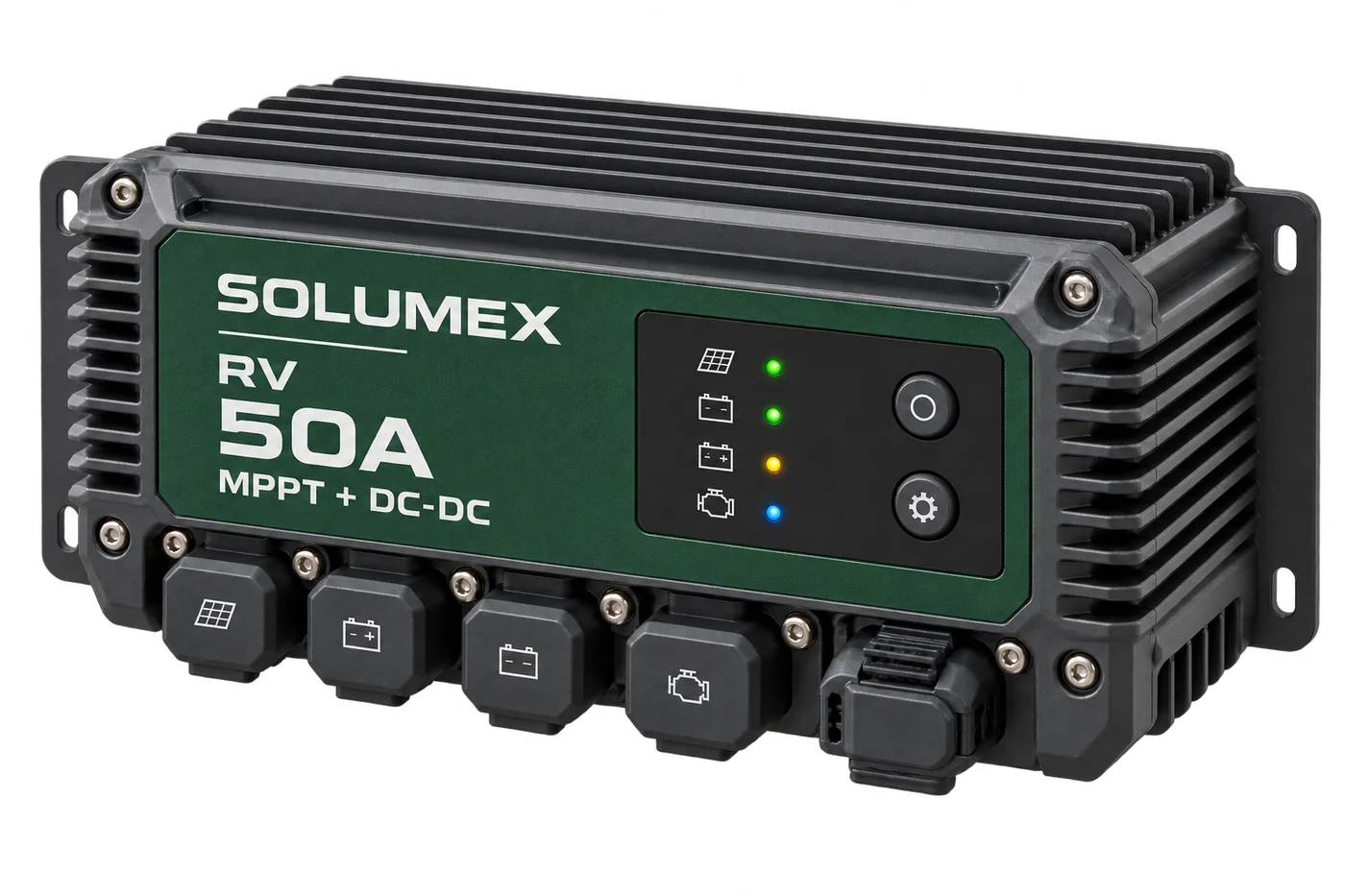 Product appearance concept