PV array
PV isolation and protection


SOLUTIONS / FARM
Combine solar and storage for distributed farm monitoring, sensors, valves and auxiliary production loads using site-specific energy, start-up and maintenance requirements.
Application scene illustration
Power architecture
A complete PV, MPPT, battery and inverter system serves farm AC loads. Cameras, sensors and valves can use a separate regulated DC branch.
PV isolation and protection
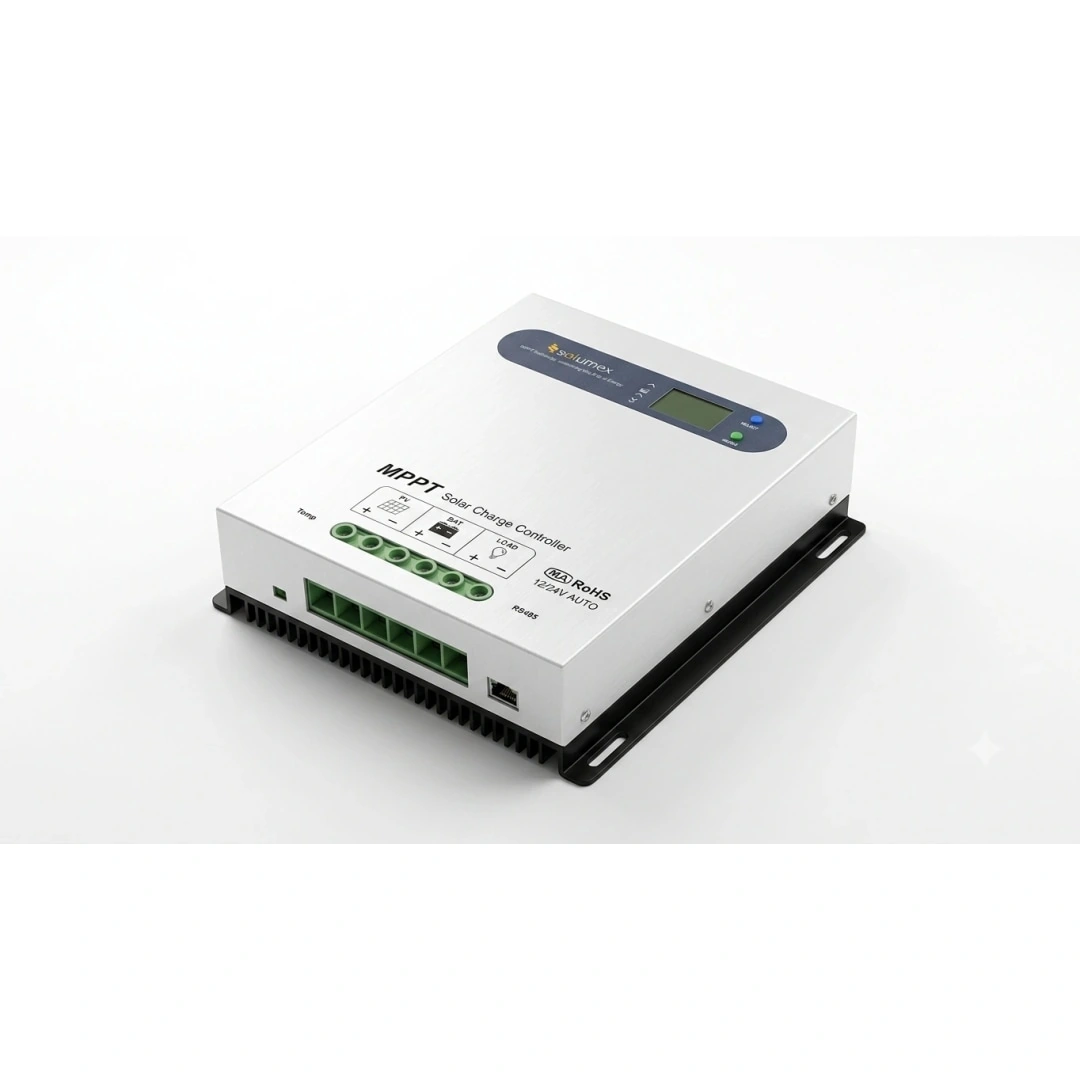
GY4860-MC
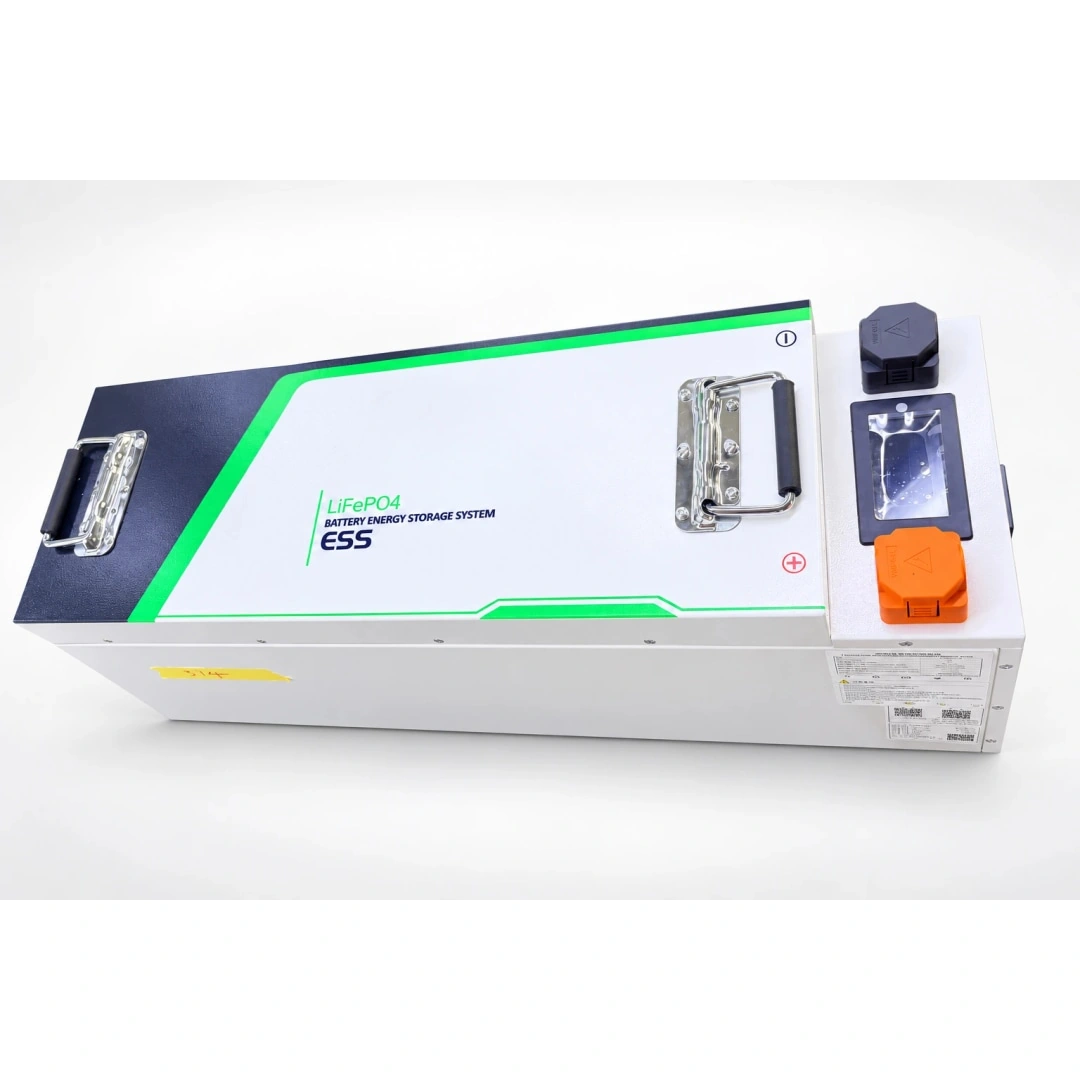
Battery and protected DC bus
Companion device · DC → AC
Lighting, tools and matched small pumps
Optional DC equipment branch
MPPT and battery nodes use existing product images. PV, inverter, telecom supply and loads are companion-equipment illustrations. Final configuration follows site loads and model documents.
| Component | Selection and configuration |
|---|---|
| PV array | Size for daily energy and the site’s low-sun season. Check cold-weather string Voc against the selected MPPT’s voltage, power and current limits. |
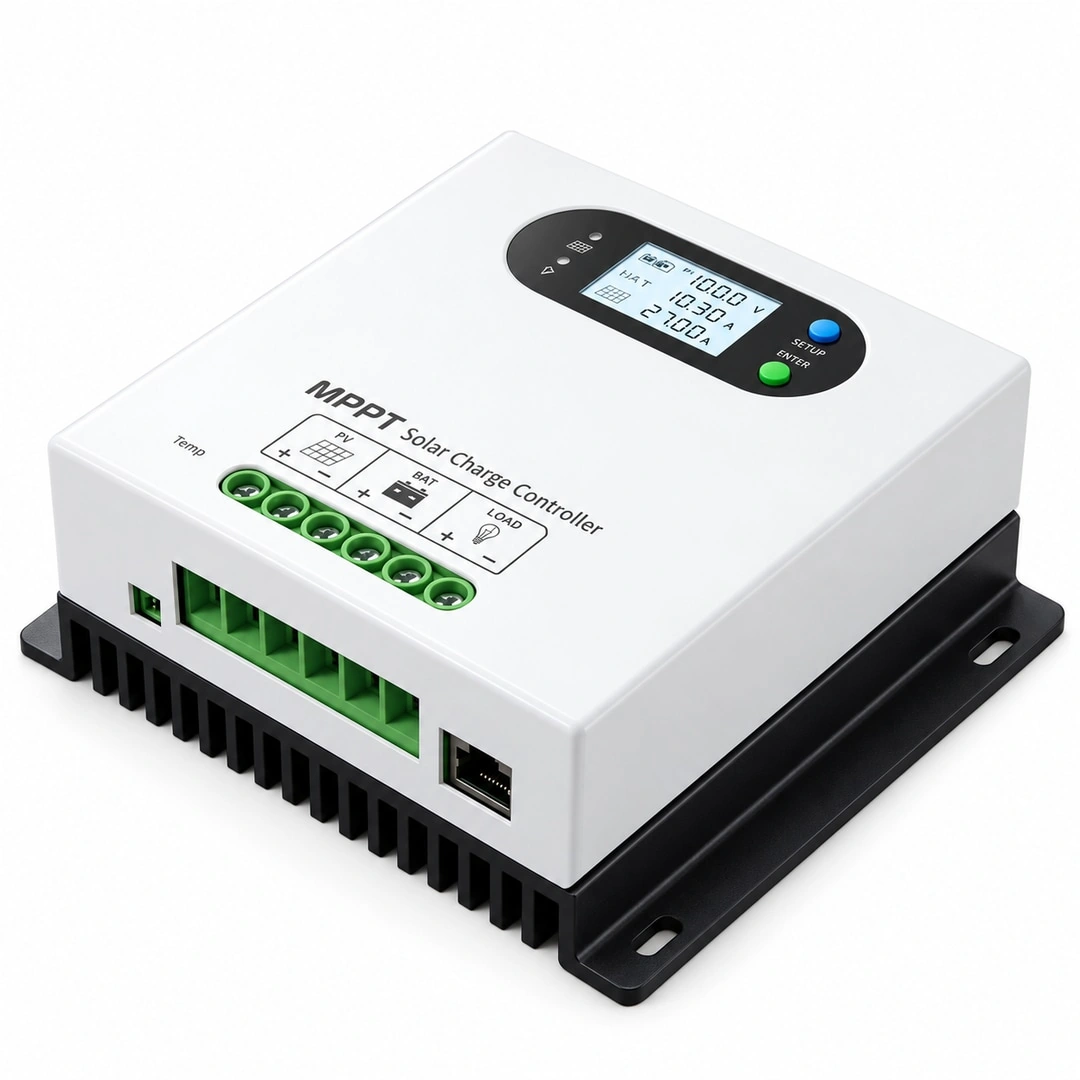
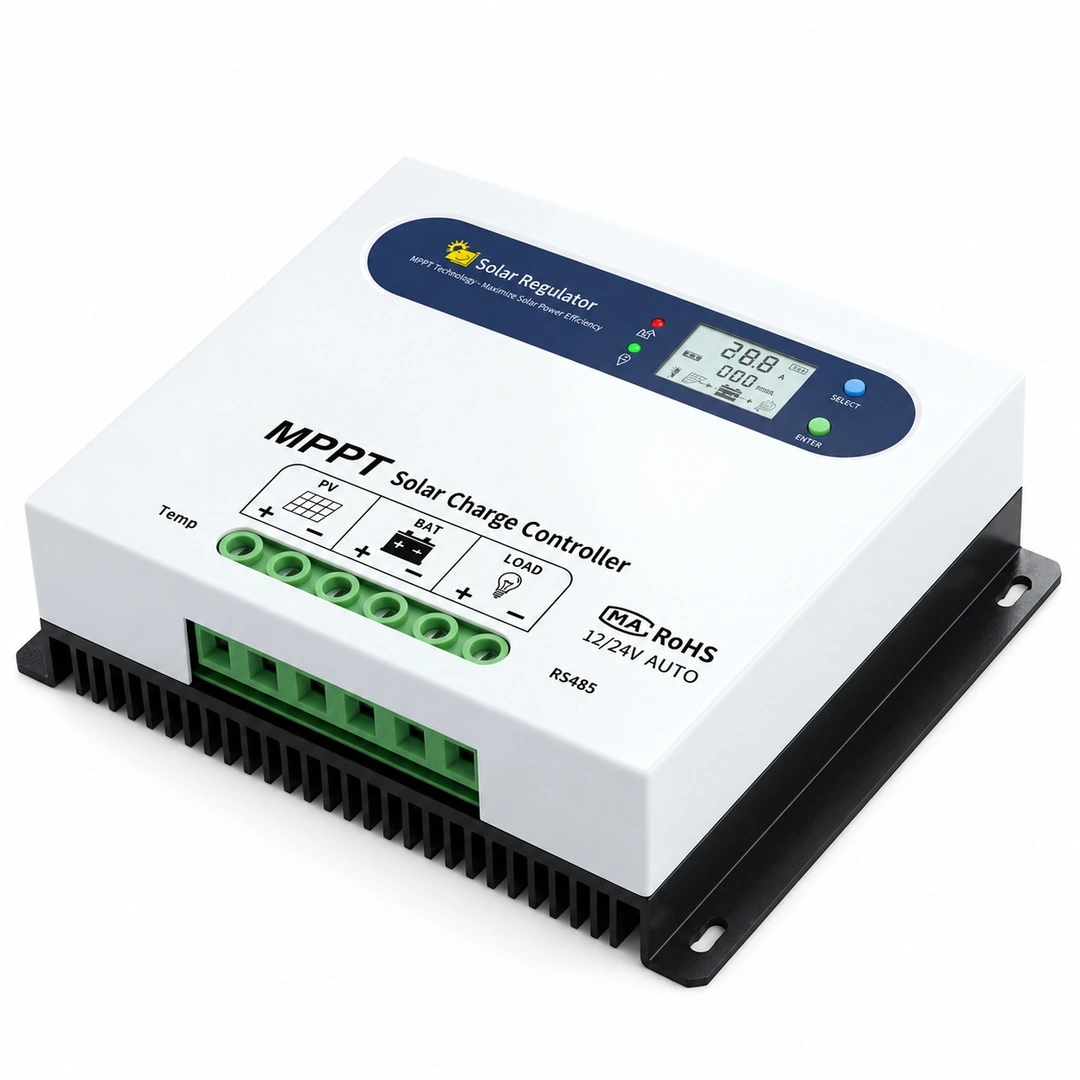
| MPPT controller | Choose by battery-system voltage and PV power. The confirmed 40A/60A table supports 12/24/36/48V. Check charging and LOAD-terminal currents separately. |
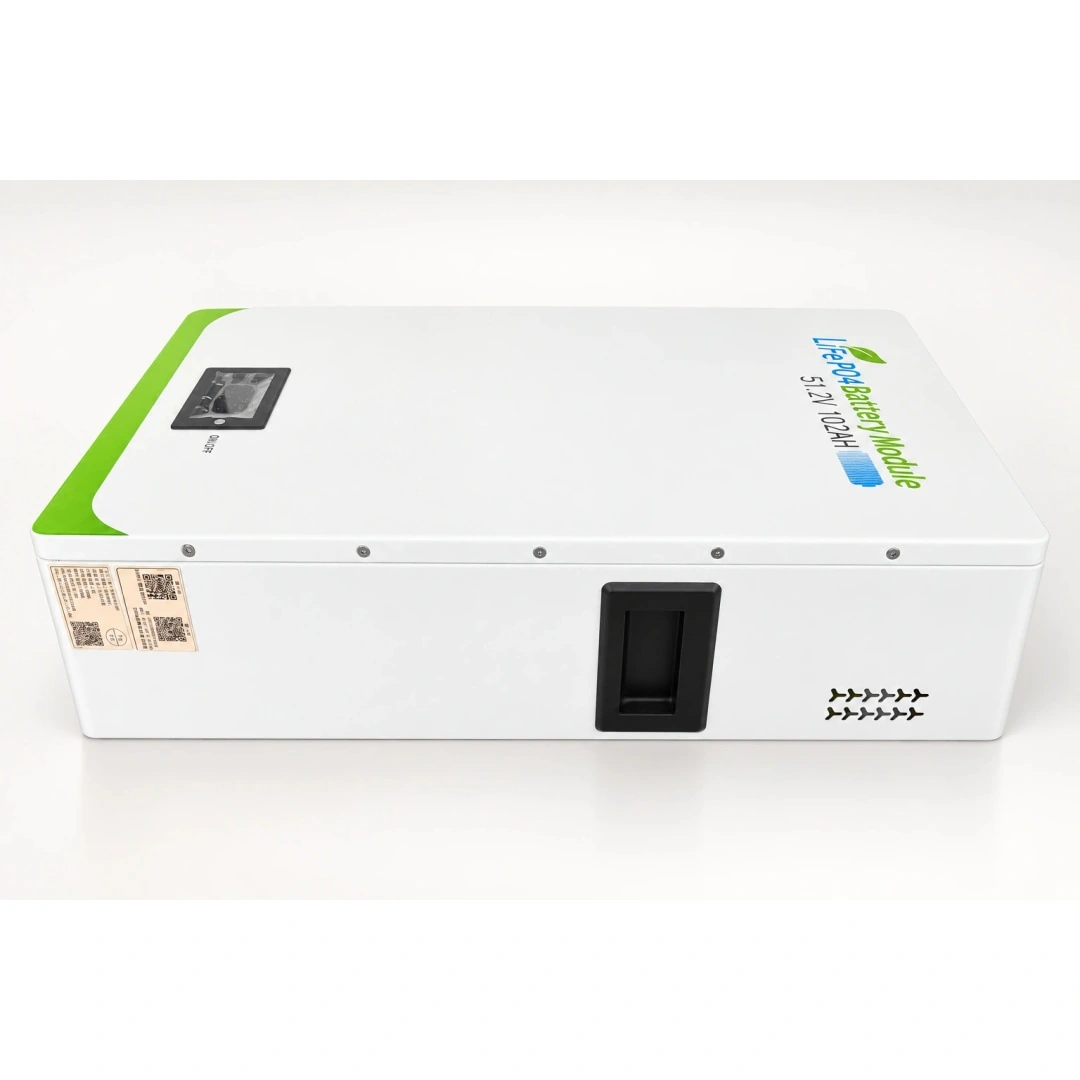
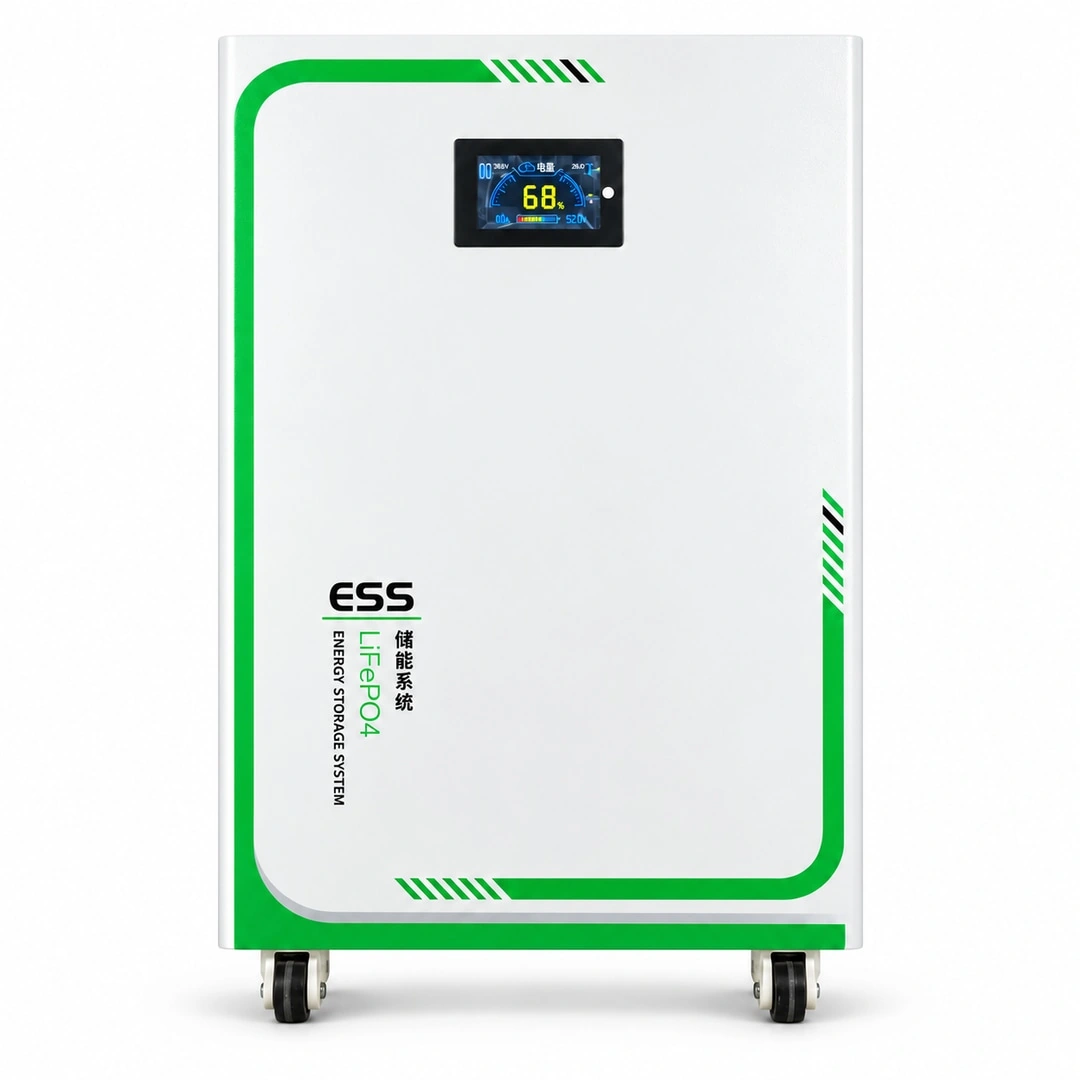
| LiFePO₄ battery | Consider 24V 8kWh or 48V-class 5/16kWh storage according to the loads. Match battery, MPPT and inverter input voltage; verify BMS continuous/peak current, usable energy and temperature. |
| Off-grid inverter | Match an off-grid inverter to the battery bus, continuous power, starting surge and 220V/380V single/three-phase loads. Assess large irrigation pumps and their drives separately. |
| Distribution and site installation | Include PV isolation, battery main protection, DC branches, AC protection, surge/earthing, outdoor enclosures and cable voltage drop in the same design. |
Farm loads may be spread across greenhouses, pump houses, stores, fences and entrances. Group monitoring, communications, sensing, valves and production equipment by location, then compare central distribution with independent solar nodes.
Plan continuous monitoring separately from high-power intermittent machinery where appropriate. This reveals different energy requirements instead of applying one average specification to the whole farm.
Irrigation, ventilation and routine monitoring have different seasonal profiles. Record voltage, running power, starting current, daily hours and simultaneous operation, including seasonal additions. Motors need suitable drives and protection; AC appliances need an inverter.
Sensors and gateways may run continuously while valves and actuators operate briefly. Measure standby and active modes separately to identify real demand and loads that can be rescheduled.
Assess GY2420-MB or GY2430-MB for small 12/24V nodes, and GY4840-MB or GY4860-MC for compatible 24/48V storage sites. Check model-specific PV power, Voc and battery charging limits. MPPT does not replace machinery drives.
Evaluate 5/8/16kWh storage for each site’s demand and reserve. Compare cable voltage drop, installation and maintenance before choosing long-distance central distribution.
Account for dust, moisture, fertiliser and washdown exposure when choosing enclosure location and protection. Keep PV accessible for inspection and cleaning and allow battery and terminal servicing. Label important circuits for seasonal staff.
Record generation, consumption and minimum charge on working and non-working days. Test valve operation, communications recovery and low-energy management, and review load changes before each production season.
Share site locations, seasonal load lists, motor starting data, cable distances and reserve duration. If batteries, PV modules, inverters or chargers already exist, include nameplate photographs and manuals for compatibility review.
These details support a load and energy budget, controller/storage comparison and confirmation of interfaces, installation and protection. Final models, quantities and operating targets depend on the complete configuration review; use the product pages and documentation as the starting point.
UNDERSTAND / YOUR APPLICATION
Combine solar and storage for distributed farm monitoring, sensors, valves and auxiliary production loads using site-specific energy, start-up and maintenance requirements.
Plan solar charging and LiFePO₄ storage for farm monitoring, greenhouse ventilation, irrigation valves, compatible DC pumps and night lighting using voltage, starting current, operating hours and reserve needs.
Architecture overview, not wiring. The controller charges the battery; load supply requires compatible batteries, DC bus, voltage conditioning and protection. Do not assume direct supply from controller load terminals.
ENERGY / VALUE
Select control against PV input and battery needs, not panel wattage alone.
Assess 48 V 5 kWh, 24 V 8 kWh or 48 V 16 kWh against daily demand, usable energy and reserve time; no fixed runtime is promised.
Check battery, PV input, cabling and protection compatibility against the selected model documentation.
APPLICATION / SCENARIOS
Distributed off-grid power for farms
PRODUCTS / FOR THIS SOLUTION
SERVICE / PROJECT JOURNEY
Share application, device voltage, peak current, daily consumption and solar panel data for configuration review.
Assess load voltage, peak current, daily energy, PV input and installation environment.
Check battery, PV input, cabling and protection compatibility against the selected model documentation.
Coordinate delivery for the agreed configuration and follow technical service using your enquiry reference.
Tell us what you need. Let’s find the right energy solution together.
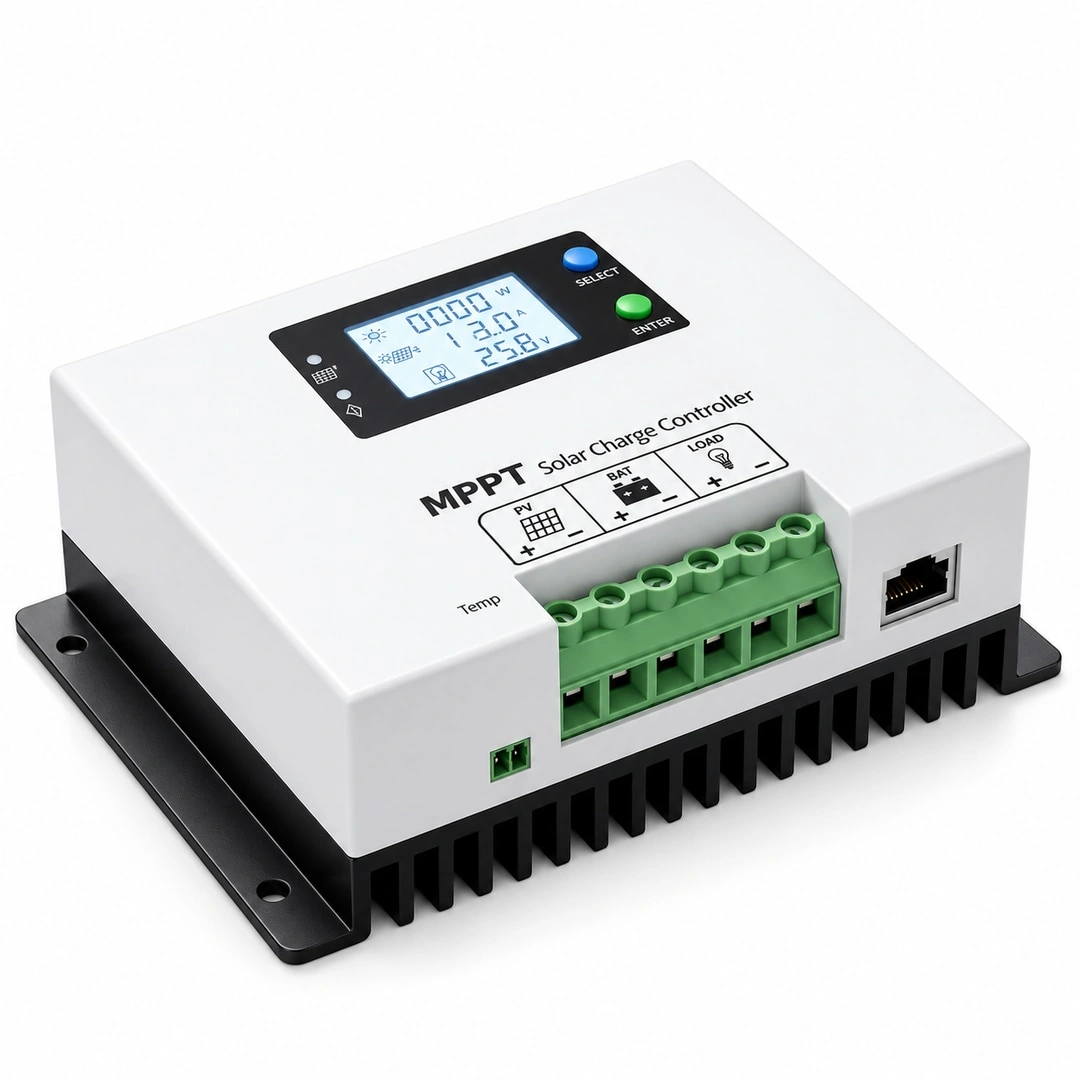
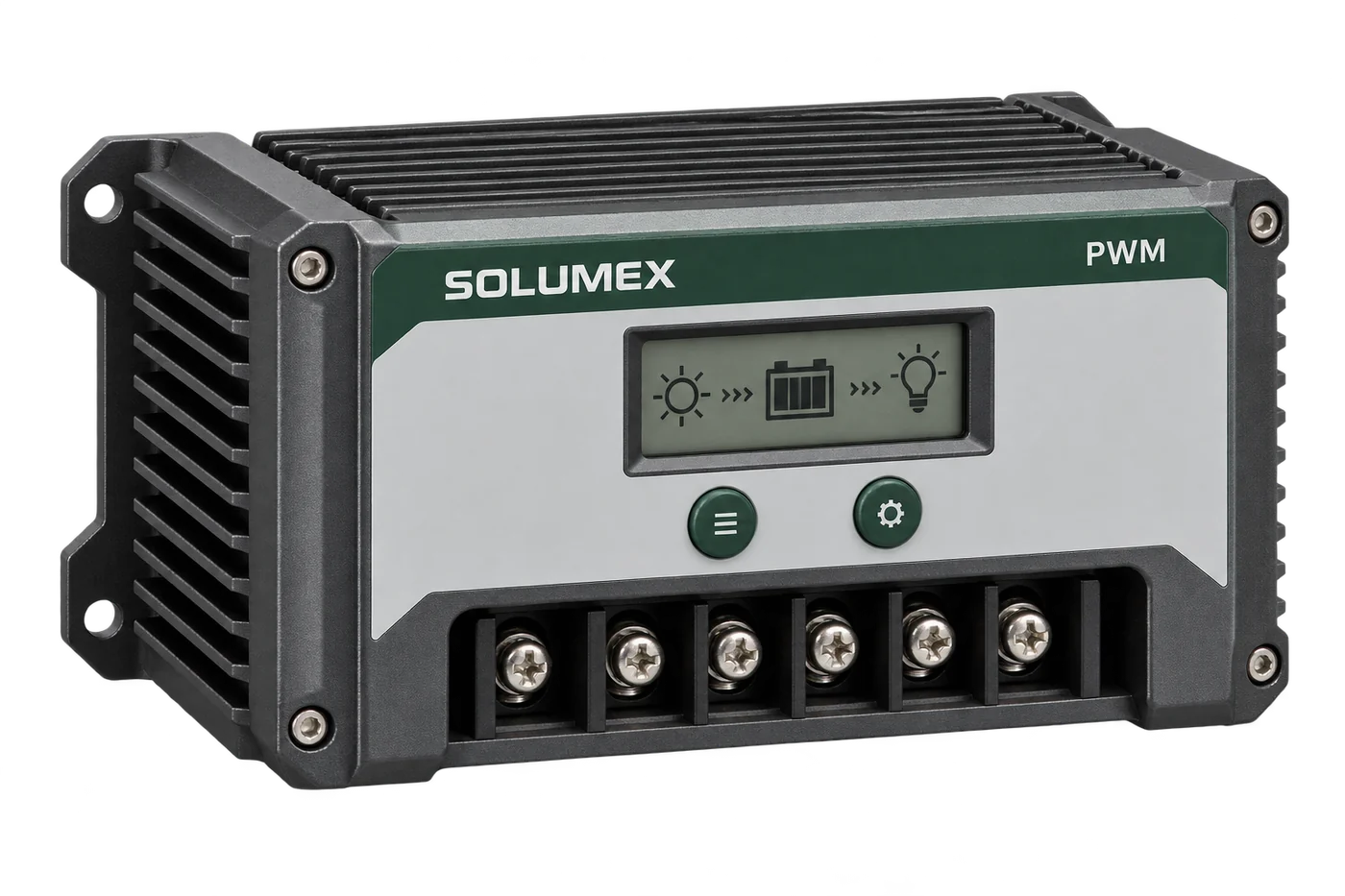 Product appearance concept