
Focused on compact off-grid & low-voltage DC power
Service centrePartnershipsWeChat shopGLOBAL
solumex光弋
Home/Solar and storage for DC air conditioning

SOLUTIONS / DC-AC

Solar and storage for DC air conditioning

Match power to cooling demand, voltage range, peak current and day/night operation for DC air conditioning in equipment rooms, mobile spaces and compact off-grid sites.

Application guide

Assess cooling duty before electrical demand

Electrical demand follows the cooling task: enclosure size, insulation, solar exposure, equipment heat, door openings and target temperature affect compressor duty. Confirm cooling capacity separately from electrical input and use operating data for energy estimates.

For equipment rooms, distinguish essential cooling from adjustable comfort demand. Define temperature limits, night operation and the response to an energy shortfall.

DC coupling still needs distribution design

A typical architecture combines PV, MPPT, battery storage and a DC cooling circuit. Assess direct bus supply only if the appliance input range covers the battery’s full operating range; otherwise specify suitable voltage regulation or DC-DC conversion.

Removing a conversion stage does not eliminate all losses or establish a fixed saving. Check cable capacity, voltage drop, isolation, short-circuit protection and control circuits.

Cover night and low-solar periods

Daytime solar and cooling demand may overlap, but equipment heat and continuous operation can continue at night. Measure day and night average input separately, add auxiliary loads and reserve usable energy for the required backup period.

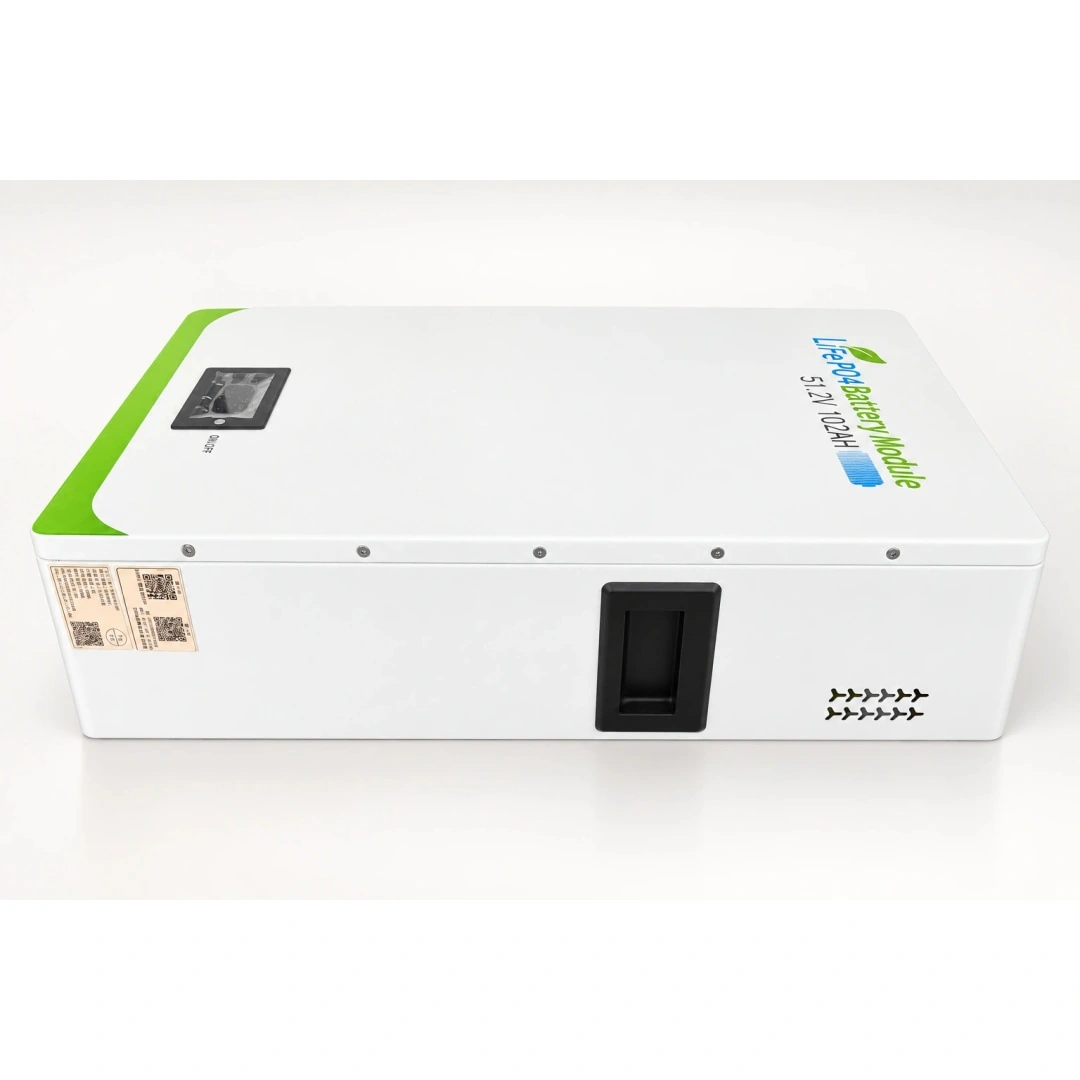
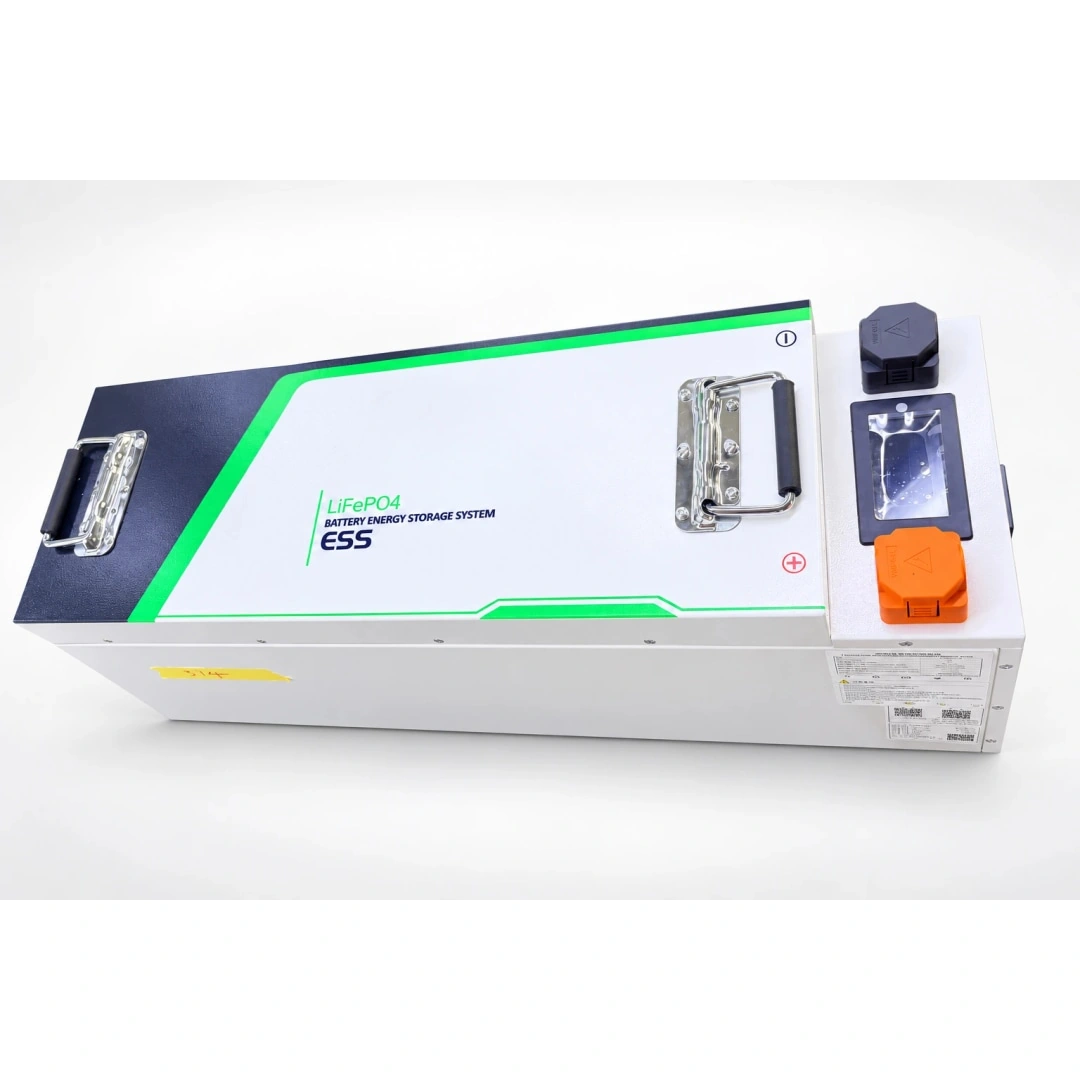
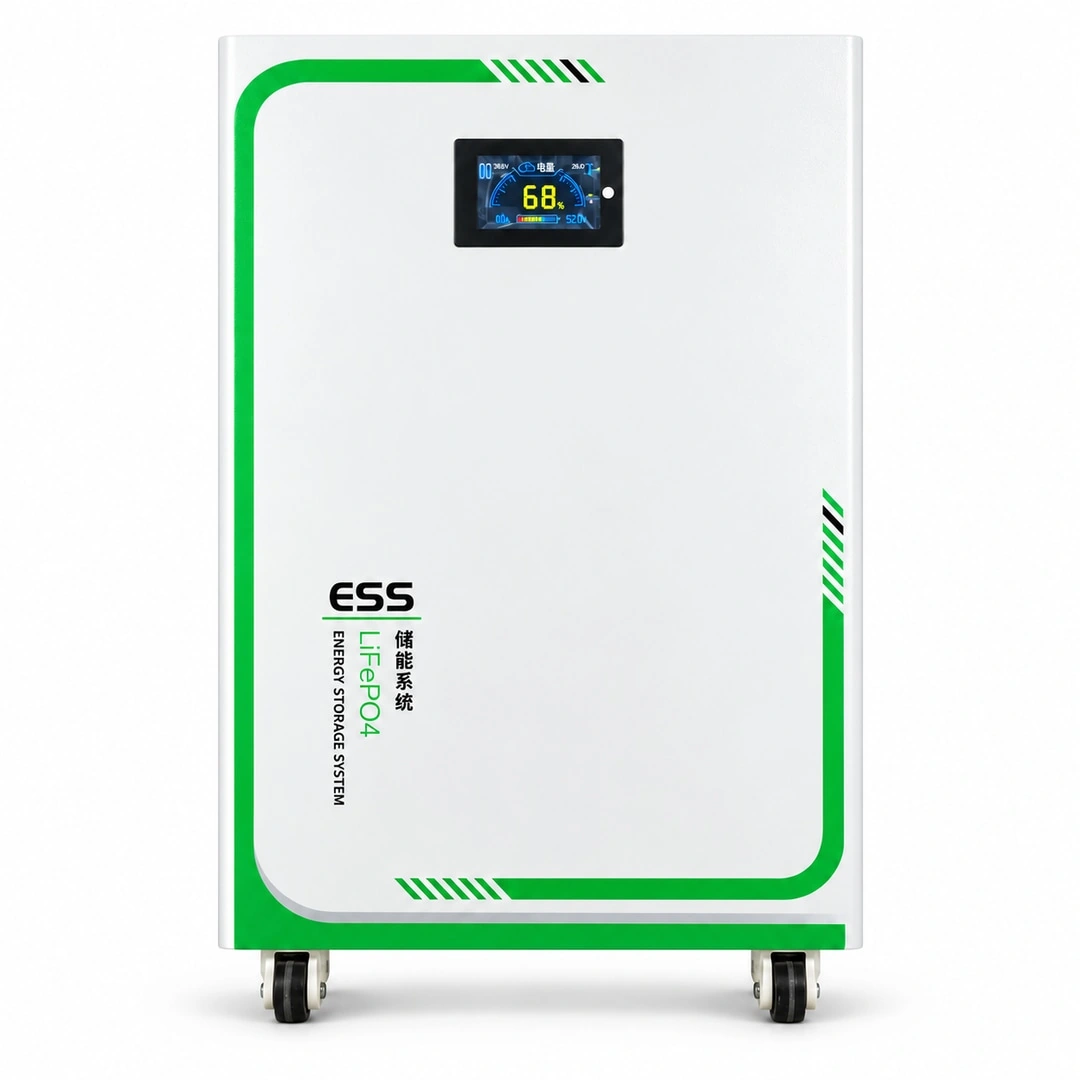
Screen 24V 8kWh and 48V-class 5/16kWh options by appliance voltage and output requirements before comparing capacity. A higher kWh figure does not establish current or transient capability.

Commission cooling, battery and charging together

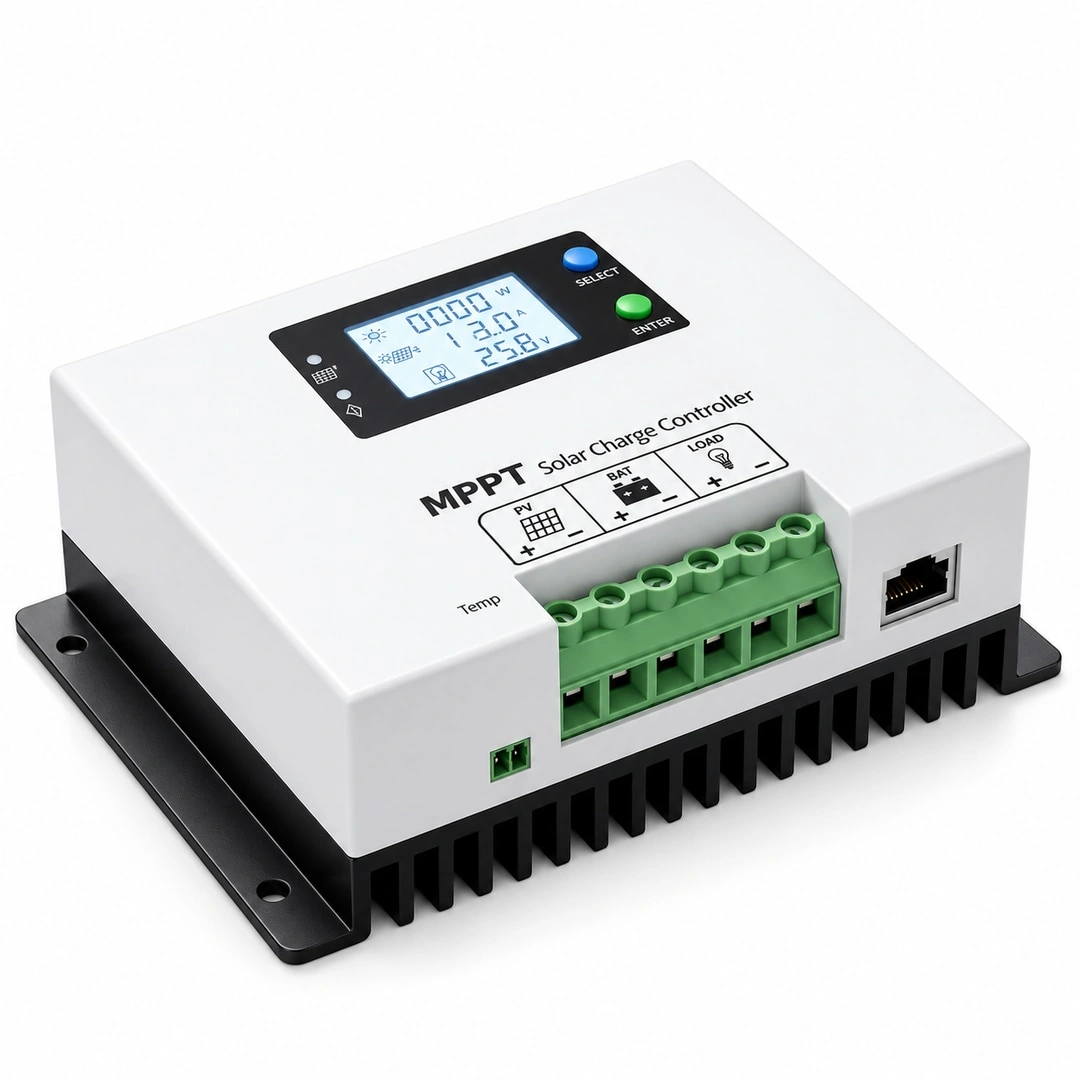
Select charging against PV voltage, model-specific power and battery charge limits. Supply cooling through the designed battery circuit. The GY 20A/30A/40A models have 20A rated load output; the 60A model has 40A, not 60A.

Record starting voltage drop, sustained current, terminal temperature and low-energy recovery. Confirm available control and communication interfaces before defining shutdown, adjustment or remote alarms.

What to share for project selection

Share space and insulation, AC model and input range, day/night records, temperature target and reserve. If batteries, PV modules, inverters or chargers already exist, include nameplate photographs and manuals for compatibility review.

These details support a load and energy budget, controller/storage comparison and confirmation of interfaces, installation and protection. Final models, quantities and operating targets depend on the complete configuration review; use the product pages and documentation as the starting point.
UNDERSTAND / YOUR APPLICATION

Application needs

Match power to cooling demand, voltage range, peak current and day/night operation for DC air conditioning in equipment rooms, mobile spaces and compact off-grid sites.

01

Loads & operation

Use DC AC operating voltage, peak load and runtime to assess solar replenishment and storage supply.

02

Charging & system fit

Architecture overview, not wiring. The controller charges the battery; load supply requires compatible batteries, DC bus, voltage conditioning and protection. Do not assume direct supply from controller load terminals.

ENERGY / VALUE

Solution value

01

Solar charging

Select control against PV input and battery needs, not panel wattage alone.

02

Plan storage capacity

Assess 48 V 5 kWh, 24 V 8 kWh or 48 V 16 kWh against daily demand, usable energy and reserve time; no fixed runtime is promised.

03

Designed around DC loads

Check battery, PV input, cabling and protection compatibility against the selected model documentation.

SYSTEM / CONNECTED ENERGY

System architecture

System architecture

Architecture overview, not wiring. The controller charges the battery; load supply requires compatible batteries, DC bus, voltage conditioning and protection. Do not assume direct supply from controller load terminals.

Charge controller

Daytime PV charges the battery through the controller. Compatible DC distribution and protection supply the loads.

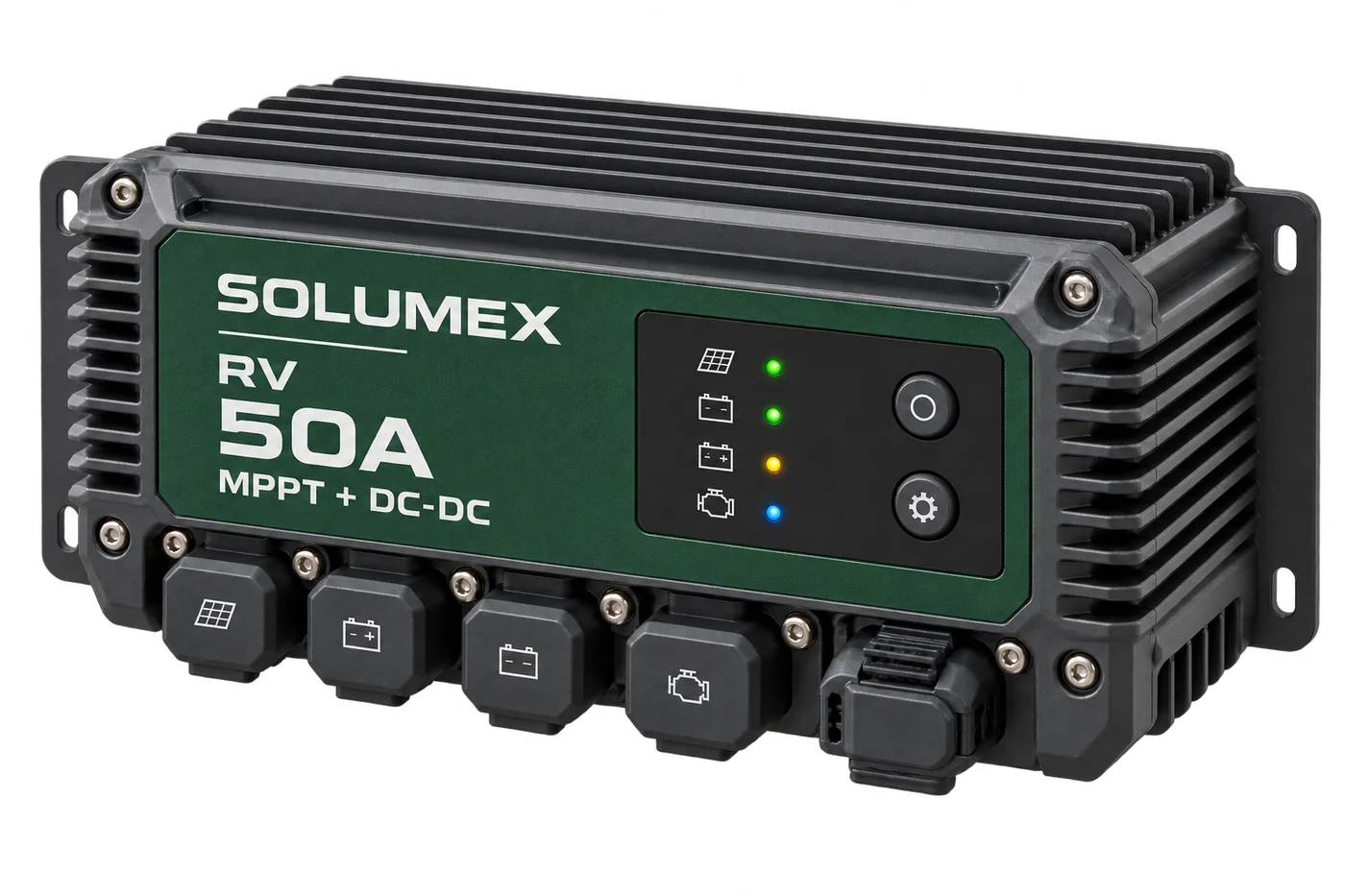
RV Dual-battery MPPT + DC-DC Controllers

APPLICATION / SCENARIOS

Typical applications

01

DC air conditioning

Solar and storage for DC air conditioning

PRODUCTS / FOR THIS SOLUTION

Related products

View all products

SERVICE / PROJECT JOURNEY

Project journey

01

Define device needs

Share application, device voltage, peak current, daily consumption and solar panel data for configuration review.

02

Review charging & supply

Assess load voltage, peak current, daily energy, PV input and installation environment.

03

Confirm products & documents

Check battery, PV input, cabling and protection compatibility against the selected model documentation.

04

Delivery & service follow-up

Coordinate delivery for the agreed configuration and follow technical service using your enquiry reference.

Need product or project guidance?

Tell us what you need. Let’s find the right energy solution together.

Project enquiryService centre