
Start with daily water demand
Begin with water volume and head. Crop area, irrigation method, seasonal demand, pumping depth, pipe length and elevation affect the pump duty and daily hours. Establish daily demand, dynamic water level and total head, then consult the pump curve.
Motor wattage alone does not define PV or storage needs. Specify flow, irrigation windows and flexibility for weather-dependent scheduling.
Separate pumping and control circuits
Choose the pump’s dedicated drive, solar pumping controller or inverter according to the pump. Valves, sensors, cameras and communications can use a separate low-voltage DC supply. Separate design helps retain monitoring when pump operation changes.
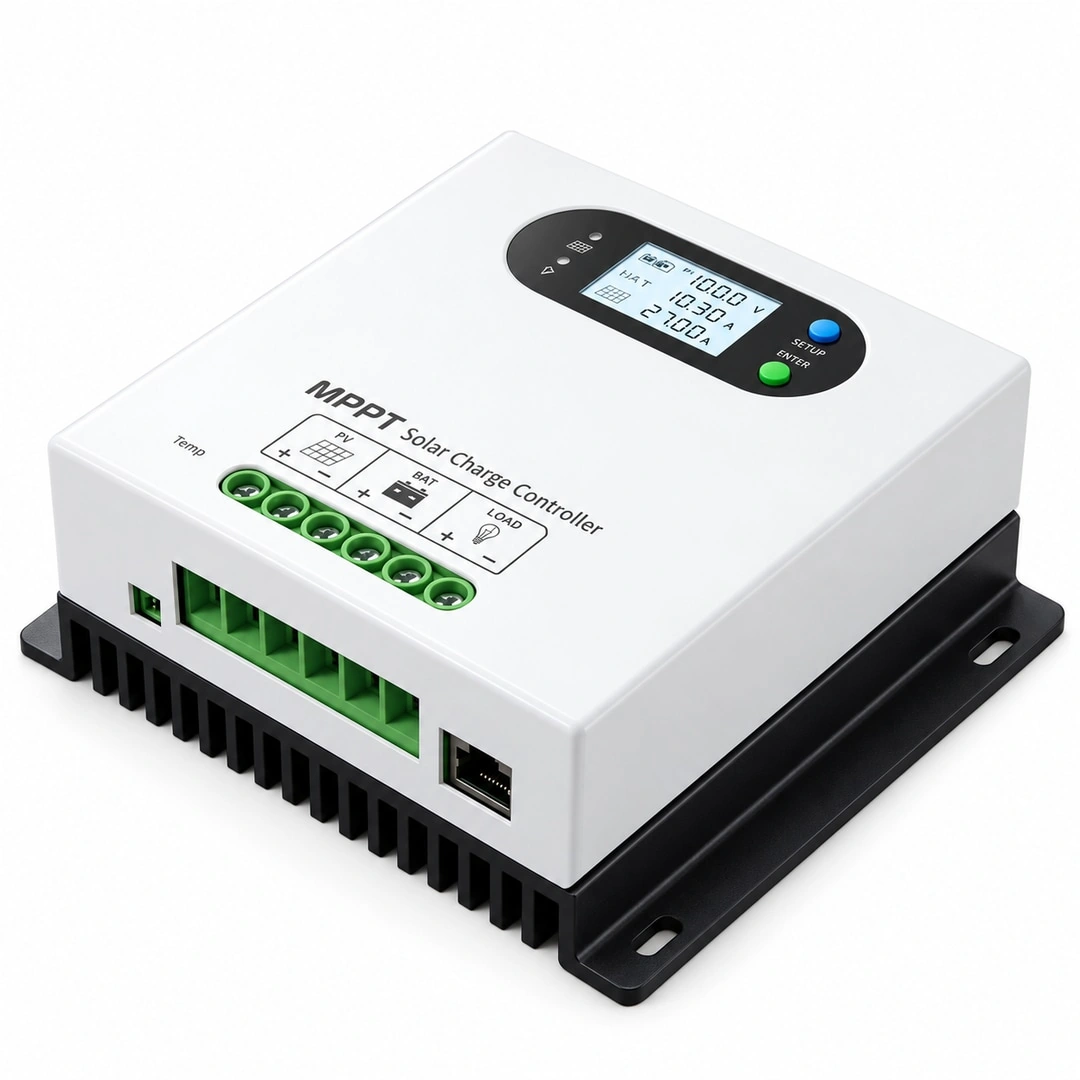
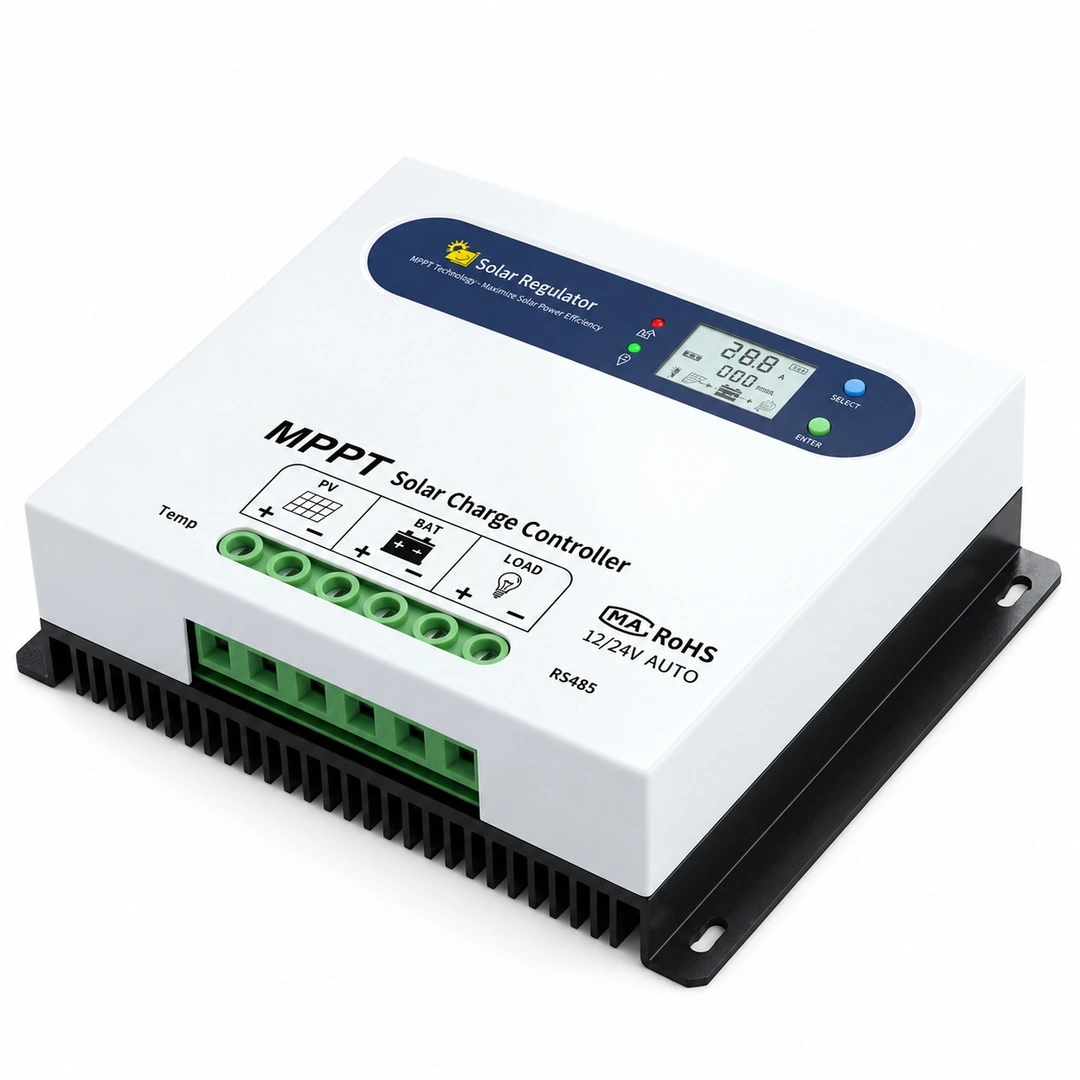
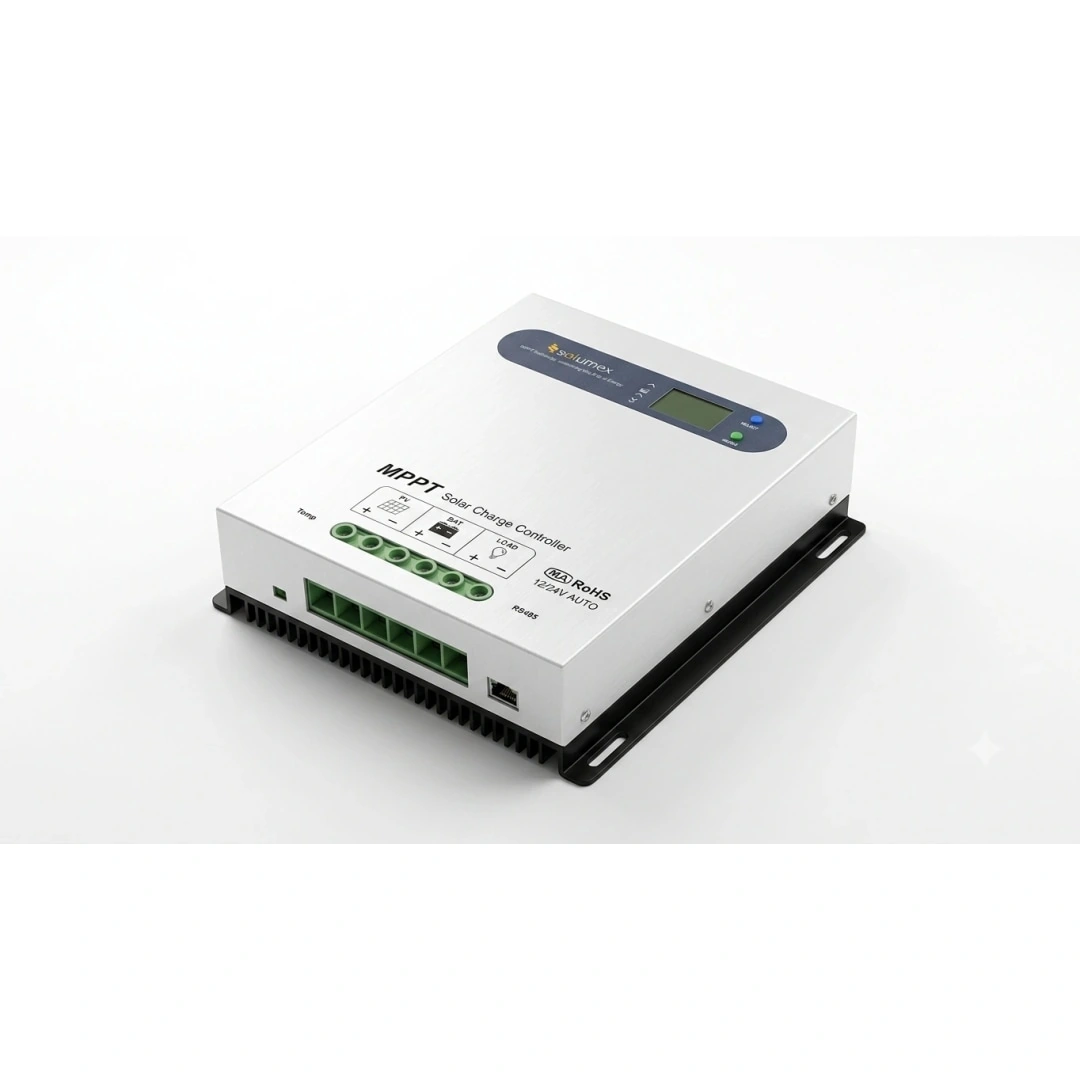
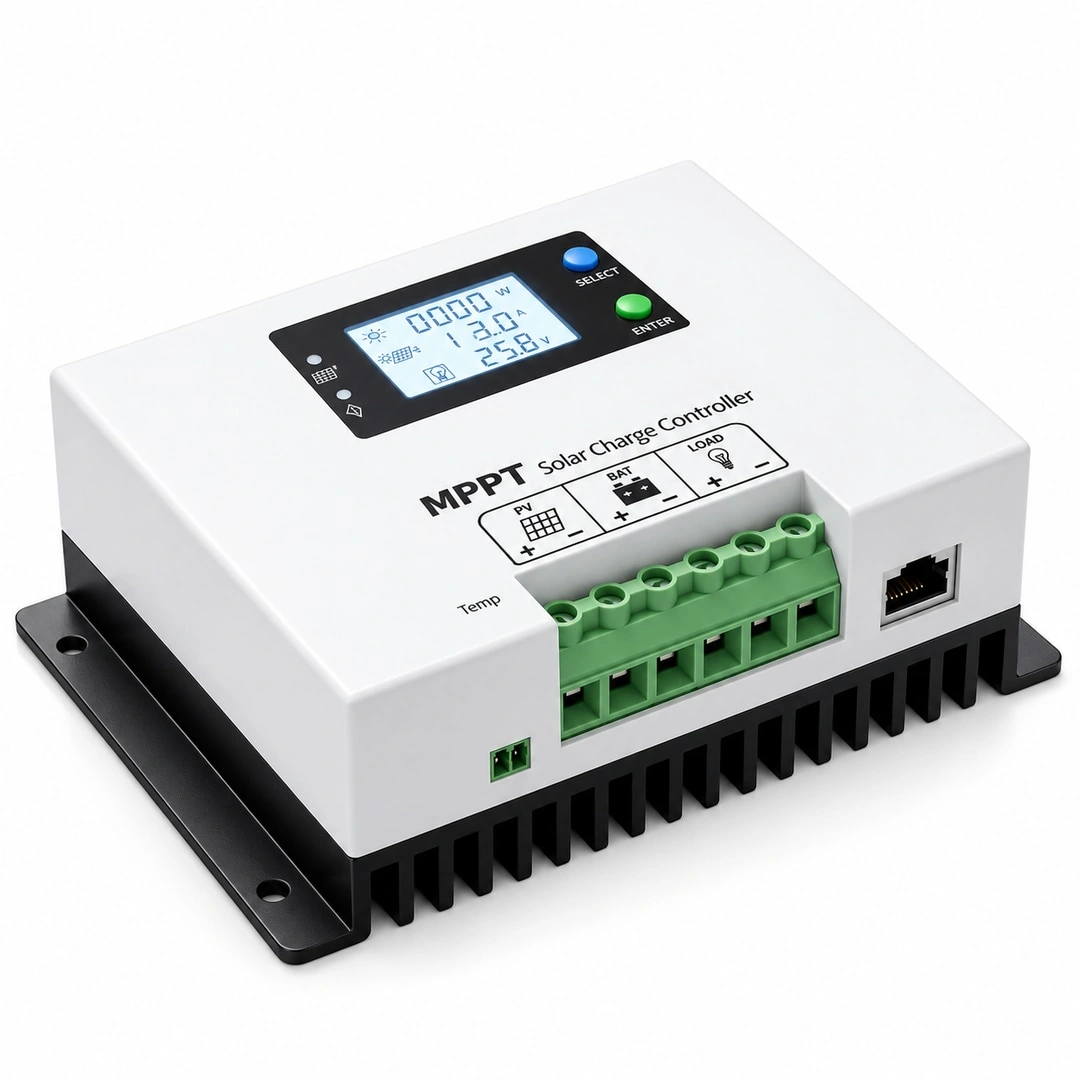
These MPPT products charge batteries; they do not replace a pump drive. Confirm motor starting, speed control, dry-run and stall protection with the pumping equipment.
Compare water storage and battery reserve
Where the schedule permits, assess daytime pumping into a tank for later irrigation. Feasibility depends on elevation, tank volume, water quality and required pressure; a tank is not a universal substitute for batteries. Night pumping still needs an energy plan.
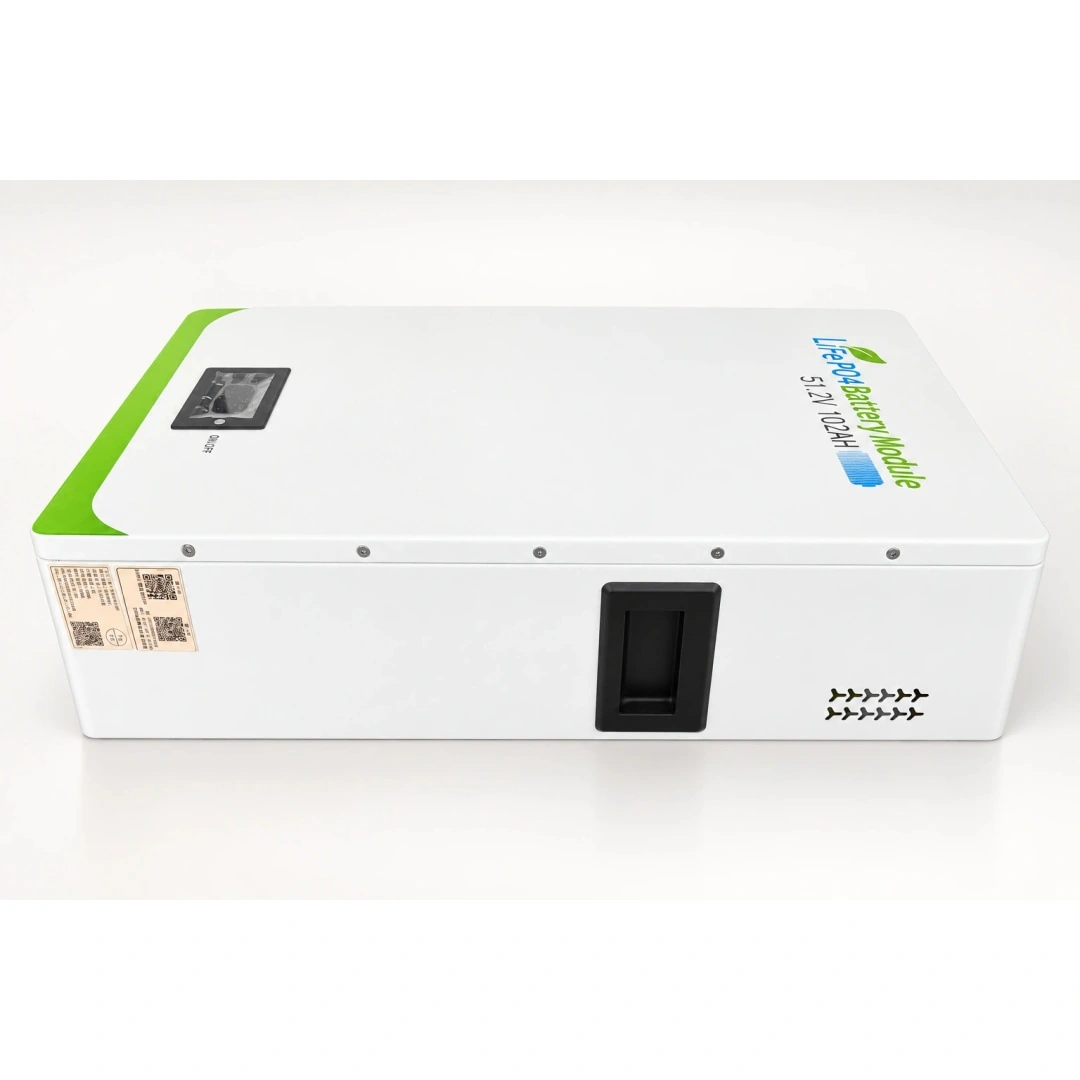
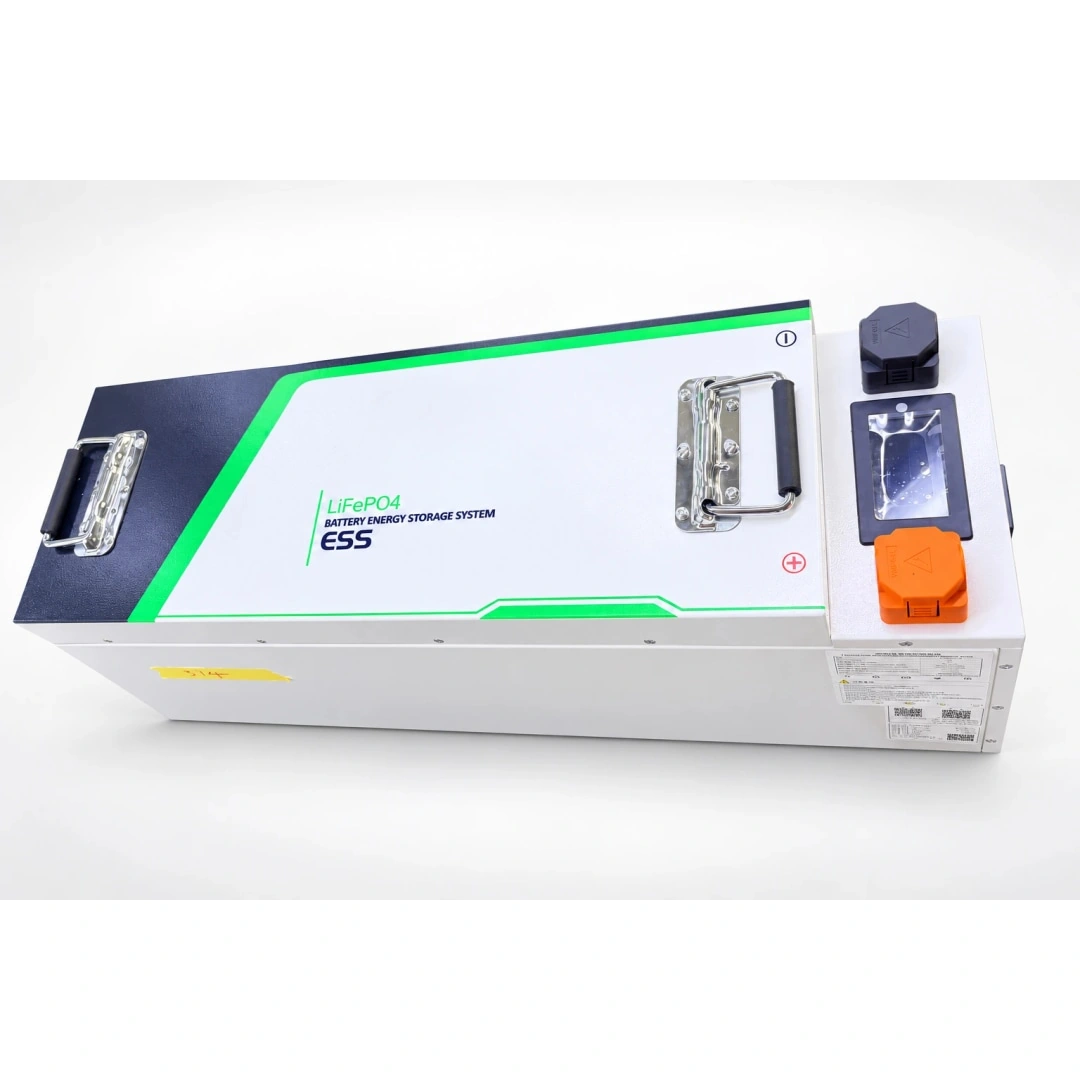
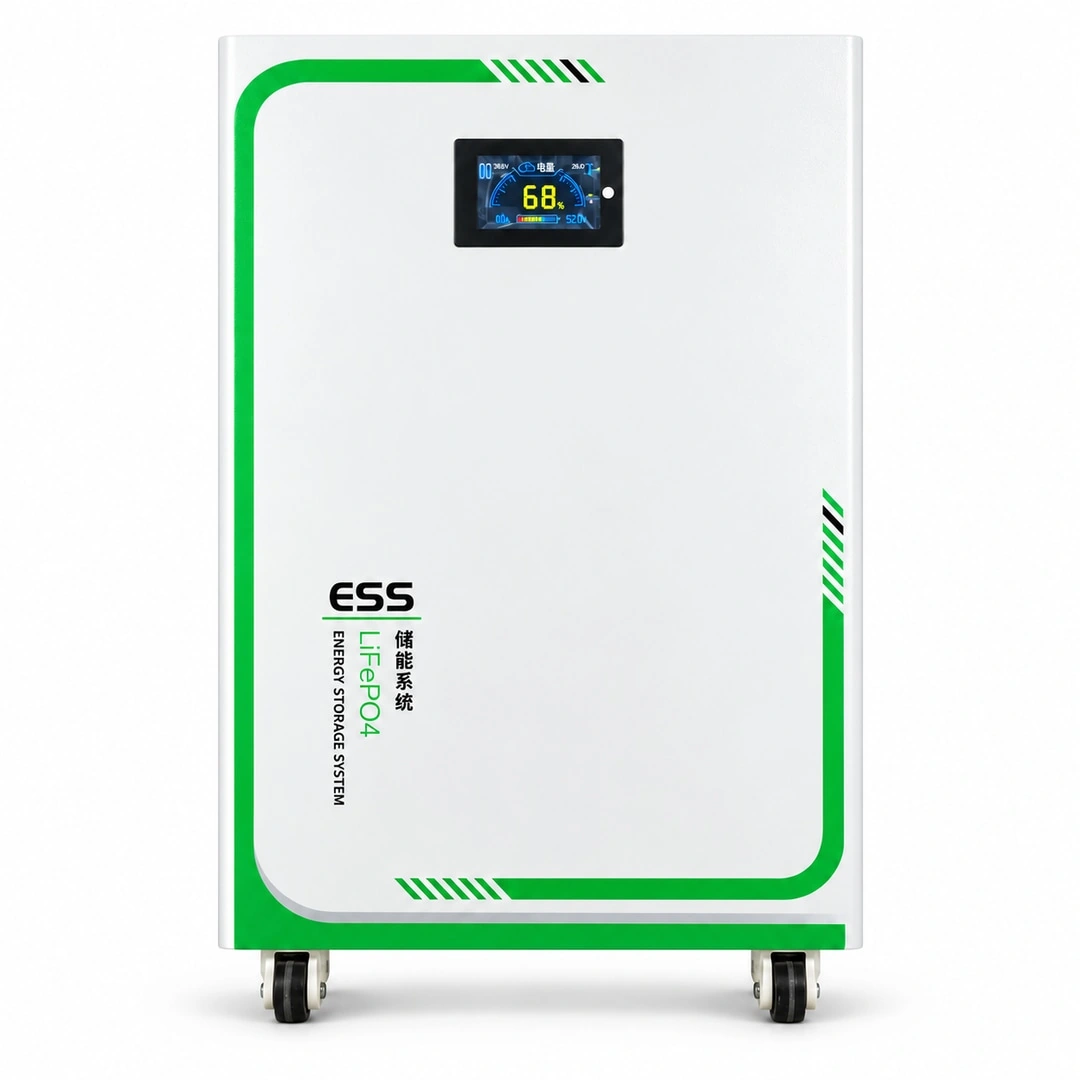
Evaluate 5/8/16kWh storage for calculated auxiliary demand or compatible small pumping systems, checking energy, starting and continuous-output requirements separately.
Install and commission for field conditions
Plan for rain, sediment, moisture, pests and long cable runs. House the controller according to its ingress rating, balancing cooling and condensation management. Check voltage drop and signal quality on remote valves and sensors.
Commission controls first, then verify actual pump flow, pressure and current. Record energy over a complete irrigation cycle and document schedules, settings, alarms and off-season maintenance.
What to share for project selection
Share location, daily water volume, dynamic level, total head, pump curve, schedule and auxiliary loads. If batteries, PV modules, inverters or chargers already exist, include nameplate photographs and manuals for compatibility review.
These details support a load and energy budget, controller/storage comparison and confirmation of interfaces, installation and protection. Final models, quantities and operating targets depend on the complete configuration review; use the product pages and documentation as the starting point.
 Product appearance concept