
Focused on compact off-grid & low-voltage DC power
Service centrePartnershipsWeChat shopGLOBAL
solumex光弋
Home/Off-grid power for pastoral life and work

SOLUTIONS / PASTORAL

Off-grid power for pastoral life and work

Plan power for remote pastoral lighting, communications, monitoring, fencing and water-support equipment around winter solar, temperature, maintenance distance and load priorities.

Application guide

Plan around the base and grazing activity

Lighting, communications, monitoring, domestic appliances, fencing and water monitoring have different schedules. Separate permanent-base equipment from seasonally moved devices and record daily hours and essential functions.

During prolonged cloudy weather, flexible loads can move to solar hours while prioritising communications, lighting and water controls. Define this operating strategy during design rather than after the battery becomes depleted.

Size recharge for winter and cloudy periods

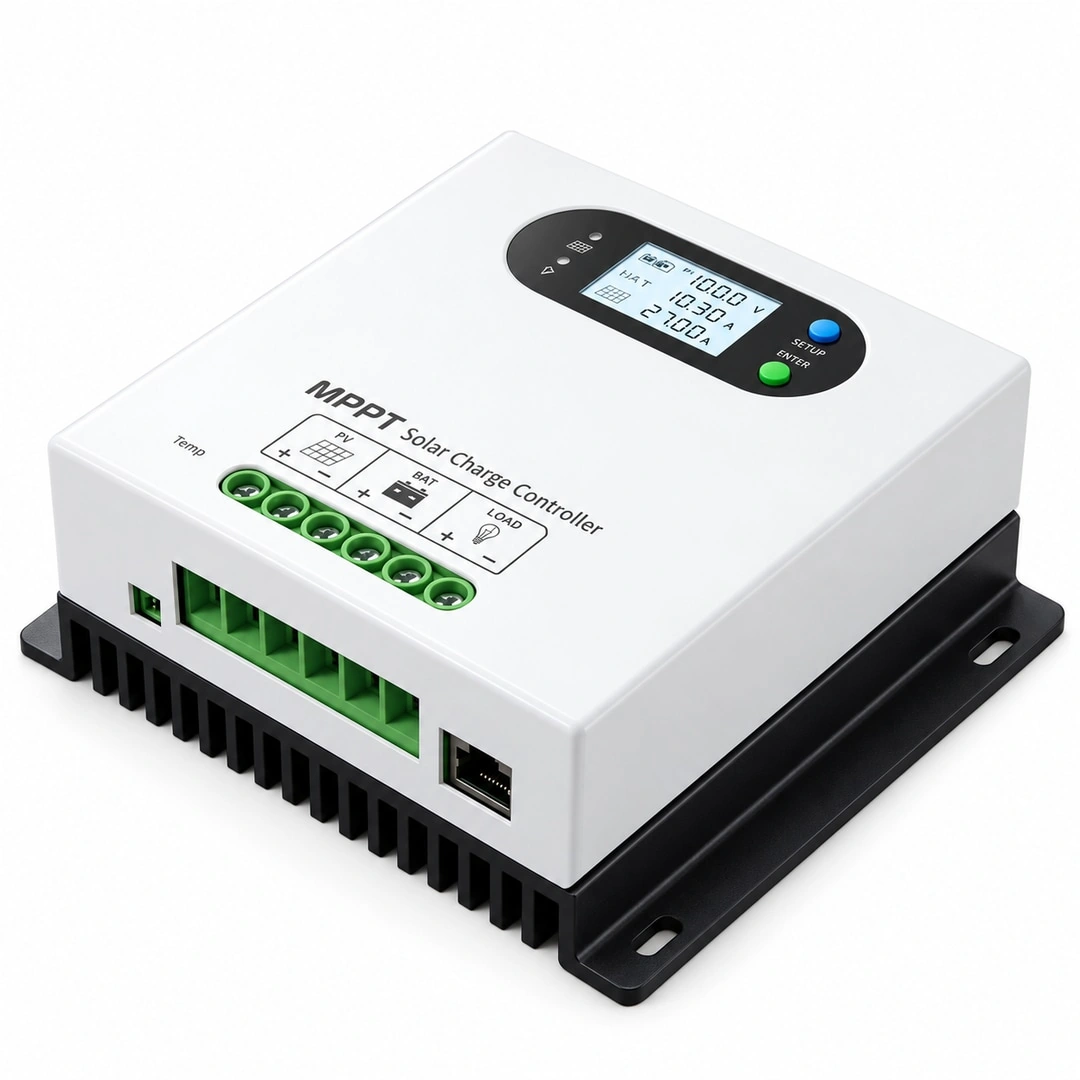
Assess weaker-season sunlight, terrain shading, snow and access for module maintenance. PV must cover normal consumption and restore reserve energy after poor weather. Select the controller using cold-weather Voc, battery voltage and charging capability.

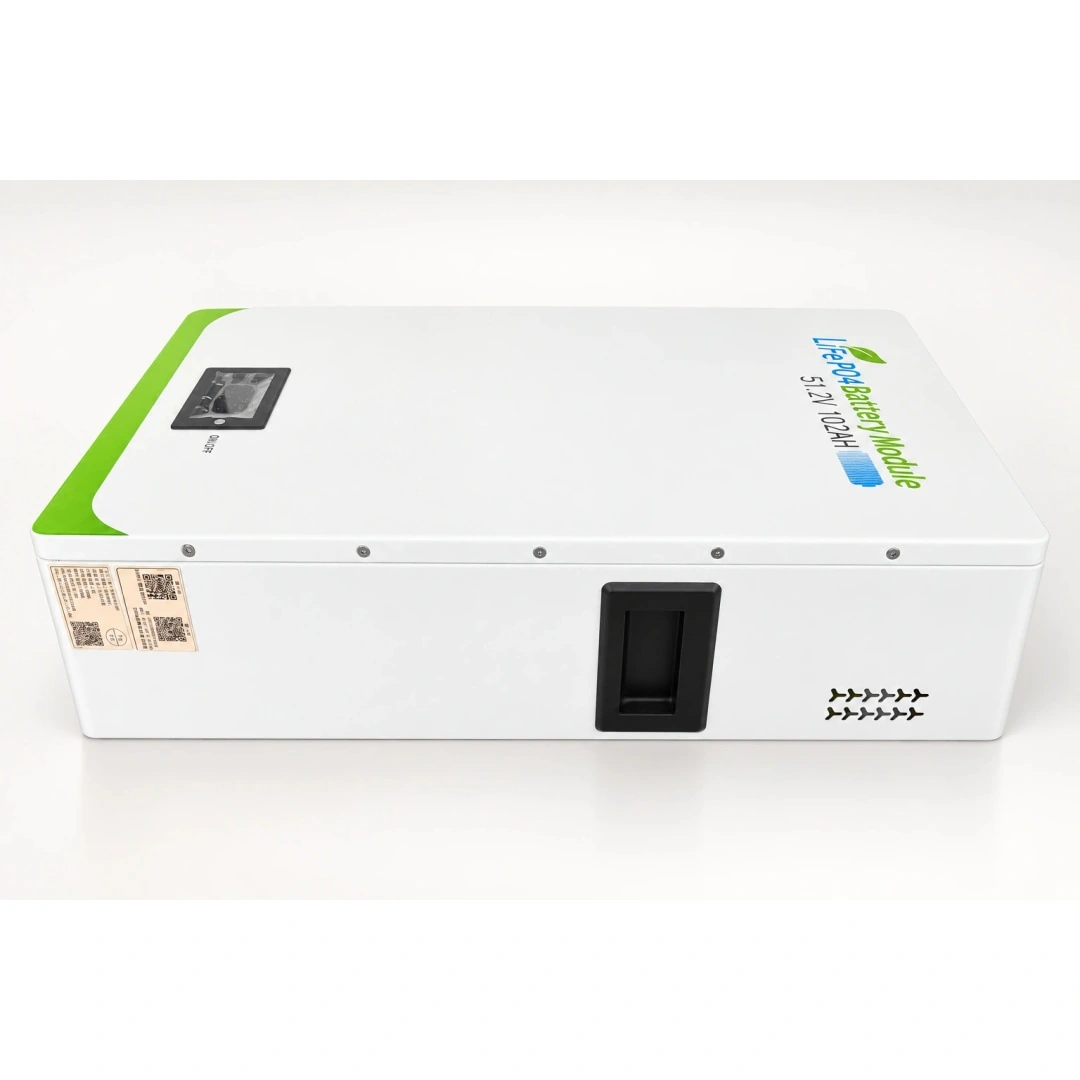
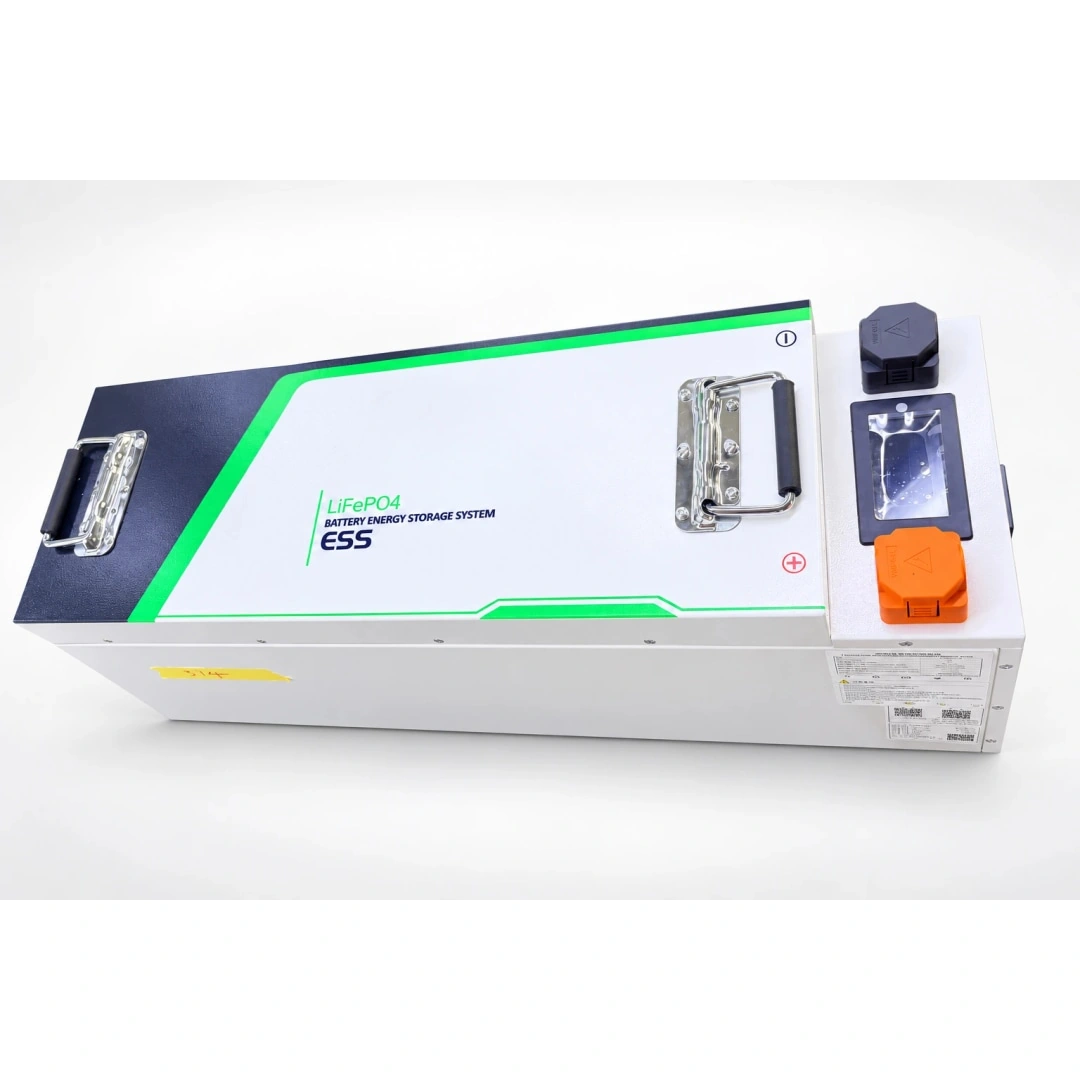
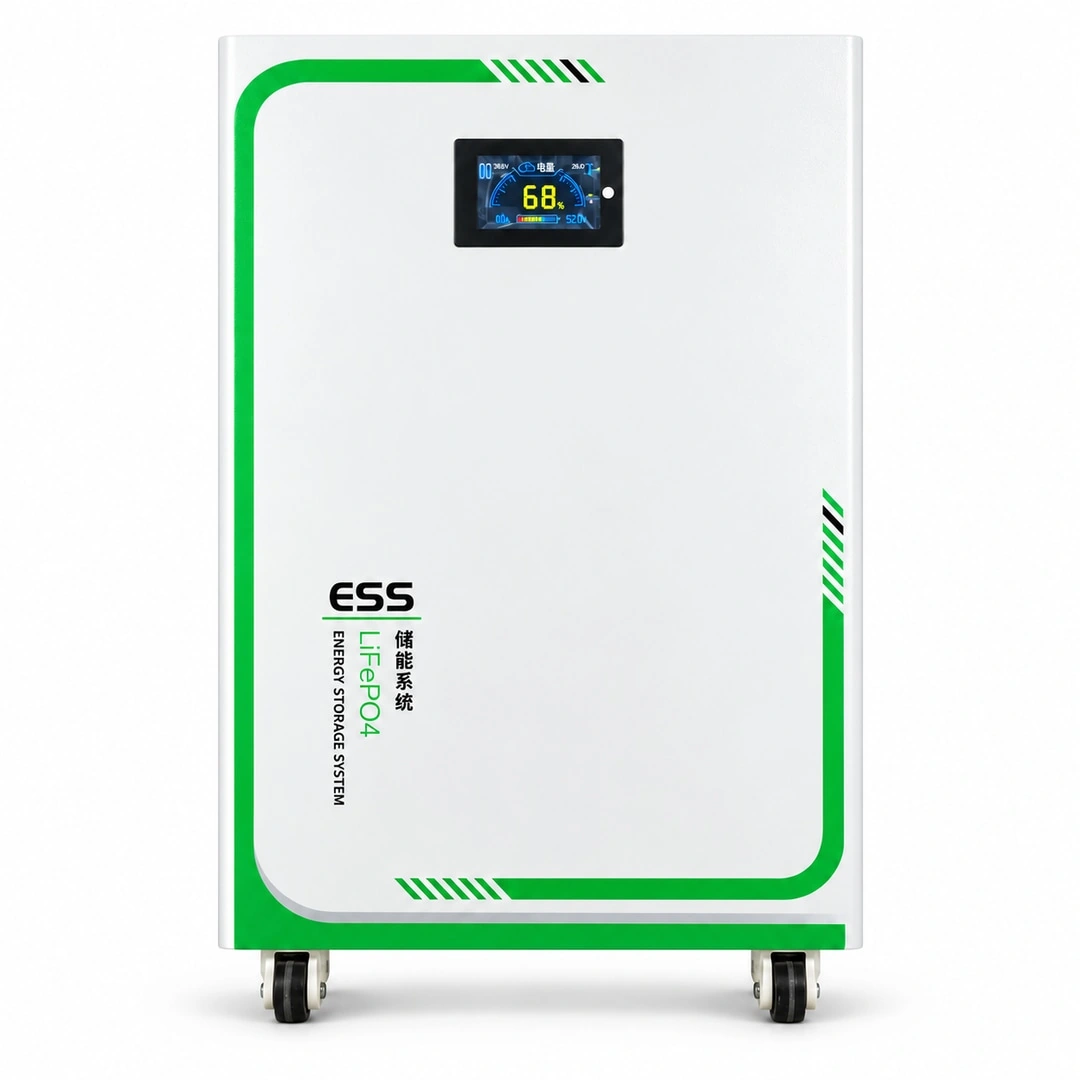
Compare 5/8/16kWh storage by demand and reserve duration while checking 24V versus 48V compatibility. Include replacement parts, transport and maintenance access in the decision.

Confirm battery temperature limits separately

A controller’s operating temperature does not define the battery’s permitted charging temperature. Confirm the selected LiFePO₄ pack’s charge/discharge limits, low-temperature protection and any heating provision; heating must not be assumed.

Insulation, location and thermal-control energy belong in the winter budget. Verify charging permissions and recovery behaviour under the intended temperature conditions, not only in a warm workshop.

Make operation and maintenance practical

Enclosures, PV structures and battery mounting must suit windblown dust, rain, snow and livestock activity. Protect wiring from abrasion, tension and accidental contact. Make battery, charging and fault status easy to inspect and label isolation points.

Evaluate remote monitoring where connectivity permits, retaining local checks where coverage is unreliable. Inspect shading, dust, fasteners and terminals, and use winter records to refine the next season’s plan.

What to share for project selection

Share location, minimum temperature, winter sunlight, essential loads, reserve days and maintenance response. If batteries, PV modules, inverters or chargers already exist, include nameplate photographs and manuals for compatibility review.

These details support a load and energy budget, controller/storage comparison and confirmation of interfaces, installation and protection. Final models, quantities and operating targets depend on the complete configuration review; use the product pages and documentation as the starting point.
UNDERSTAND / YOUR APPLICATION

Application needs

Plan power for remote pastoral lighting, communications, monitoring, fencing and water-support equipment around winter solar, temperature, maintenance distance and load priorities.

01

Loads & operation

For lighting, monitoring, communications, fencing and living equipment in remote pastoral areas. Plan 48 V 5 kWh, 24 V 8 kWh or 48 V 16 kWh around seasonal solar, cloudy-day reserve and maintenance distance.

02

Charging & system fit

Architecture overview, not wiring. The controller charges the battery; load supply requires compatible batteries, DC bus, voltage conditioning and protection. Do not assume direct supply from controller load terminals.

ENERGY / VALUE

Solution value

01

Solar charging

Select control against PV input and battery needs, not panel wattage alone.

02

Plan storage capacity

Assess 48 V 5 kWh, 24 V 8 kWh or 48 V 16 kWh against daily demand, usable energy and reserve time; no fixed runtime is promised.

03

Designed around DC loads

Check battery, PV input, cabling and protection compatibility against the selected model documentation.

SYSTEM / CONNECTED ENERGY

System architecture

System architecture

Architecture overview, not wiring. The controller charges the battery; load supply requires compatible batteries, DC bus, voltage conditioning and protection. Do not assume direct supply from controller load terminals.

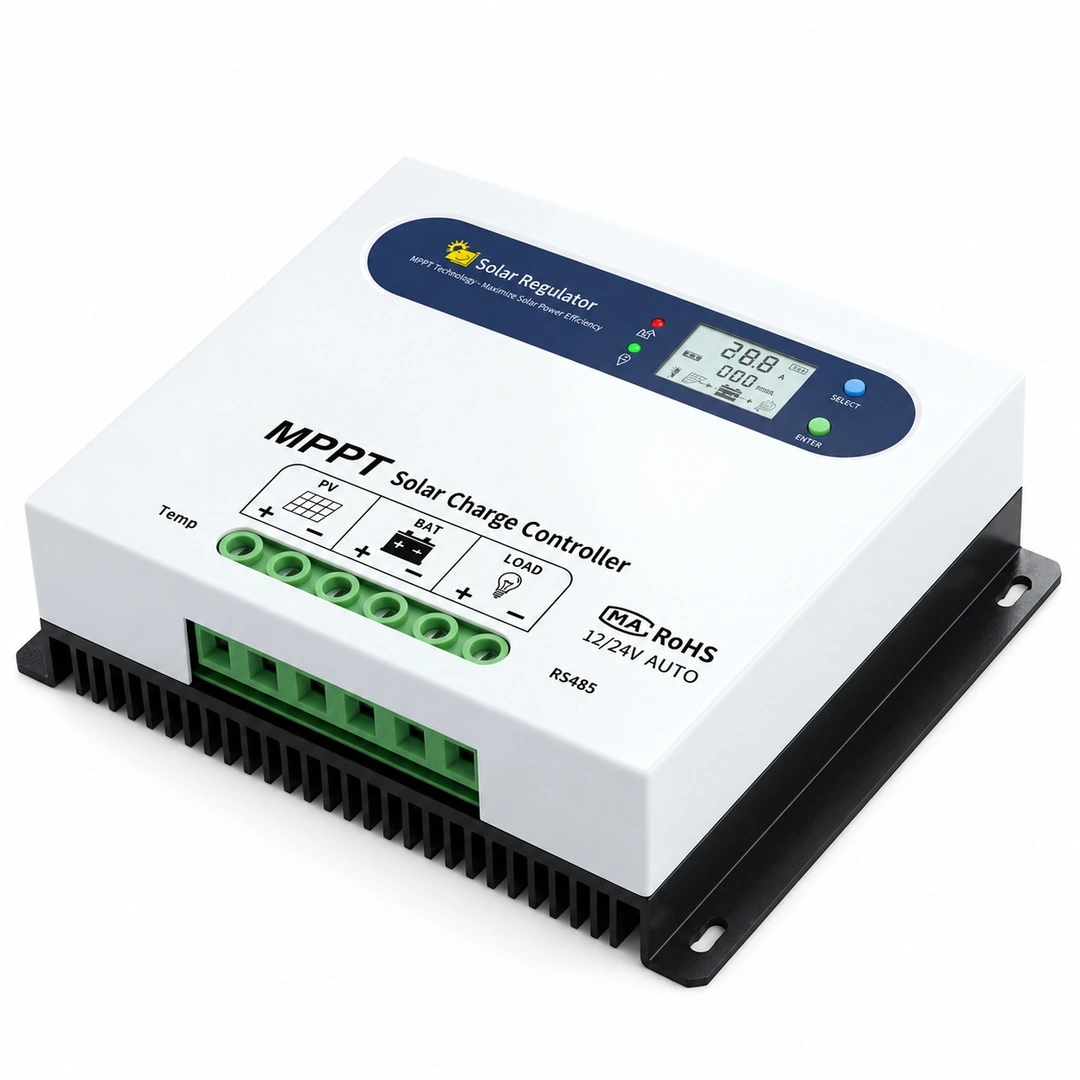
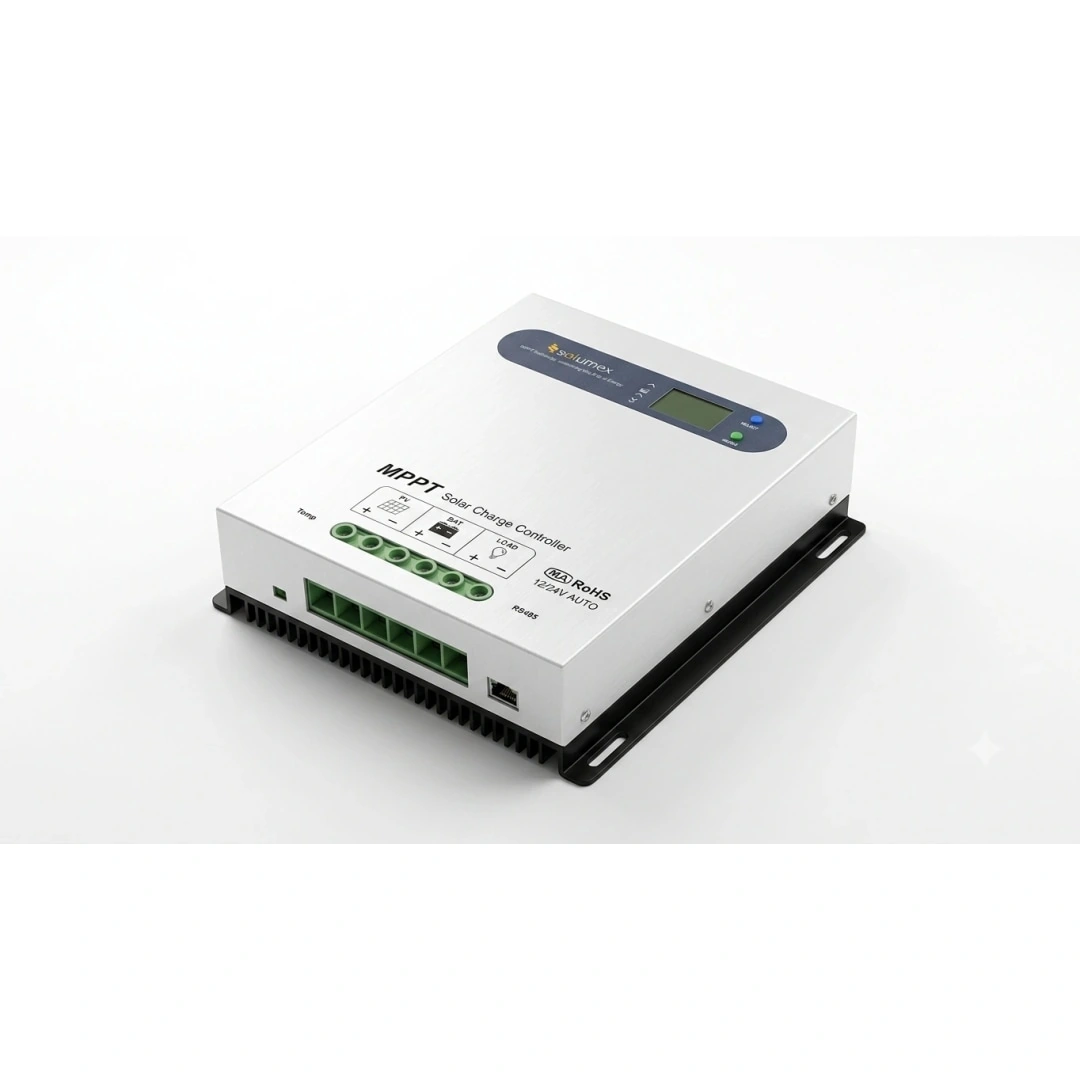
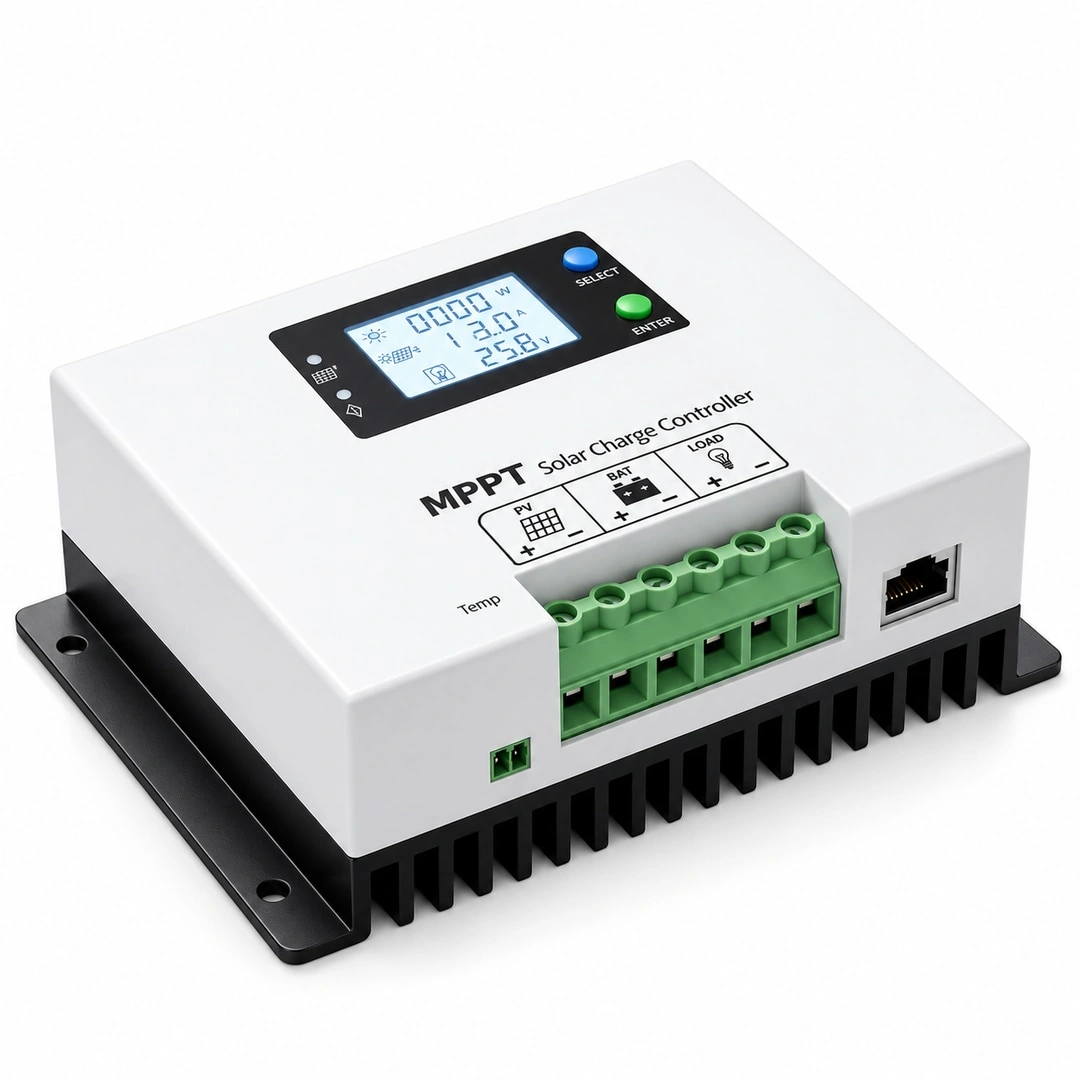
Charge controller

Daytime PV charges the battery through the controller. Compatible DC distribution and protection supply the loads.

20A / 30A / 40A / 60A MPPT Controllers

APPLICATION / SCENARIOS

Typical applications

01

Pastoral off-grid power

Off-grid power for pastoral life and work

PRODUCTS / FOR THIS SOLUTION

Related products

View all products

SERVICE / PROJECT JOURNEY

Project journey

01

Define device needs

Share application, device voltage, peak current, daily consumption and solar panel data for configuration review.

02

Review charging & supply

Assess load voltage, peak current, daily energy, PV input and installation environment.

03

Confirm products & documents

Check battery, PV input, cabling and protection compatibility against the selected model documentation.

04

Delivery & service follow-up

Coordinate delivery for the agreed configuration and follow technical service using your enquiry reference.

Need product or project guidance?

Tell us what you need. Let’s find the right energy solution together.

Project enquiryService centre