
Focused on compact off-grid & low-voltage DC power
Service centrePartnershipsWeChat shopGLOBAL
solumex光弋
Home/Compact off-grid solar and storage

SOLUTIONS / OFFGRID

Compact off-grid solar and storage

Plan controllers and LiFePO₄ storage for remote posts, outdoor workstations and independent facilities using daily demand, reserve days and recharge capability.

Application scene illustration

Application guide

Define essential loads first

Start with a verifiable load schedule: voltage, average power, daily hours and simultaneous operation for lighting, communications, monitoring and tools. Separate essential loads from those that can be rescheduled.

AC appliances also require a compatible inverter. Include its continuous rating, starting capability and standby demand; a solar charge controller does not provide AC inversion.

Plan both storage and replenishment

Sum power multiplied by operating hours for daily energy. Size storage for reserve duration and allowable discharge, while PV must support current loads and recharge the reserve. More battery capacity alone does not ensure recovery after cloudy weather.

For example, 1.5kWh daily demand and two reserve days require 3kWh at the loads before losses and battery operating limits. Calculate solar recovery separately.

System voltage defines the combination

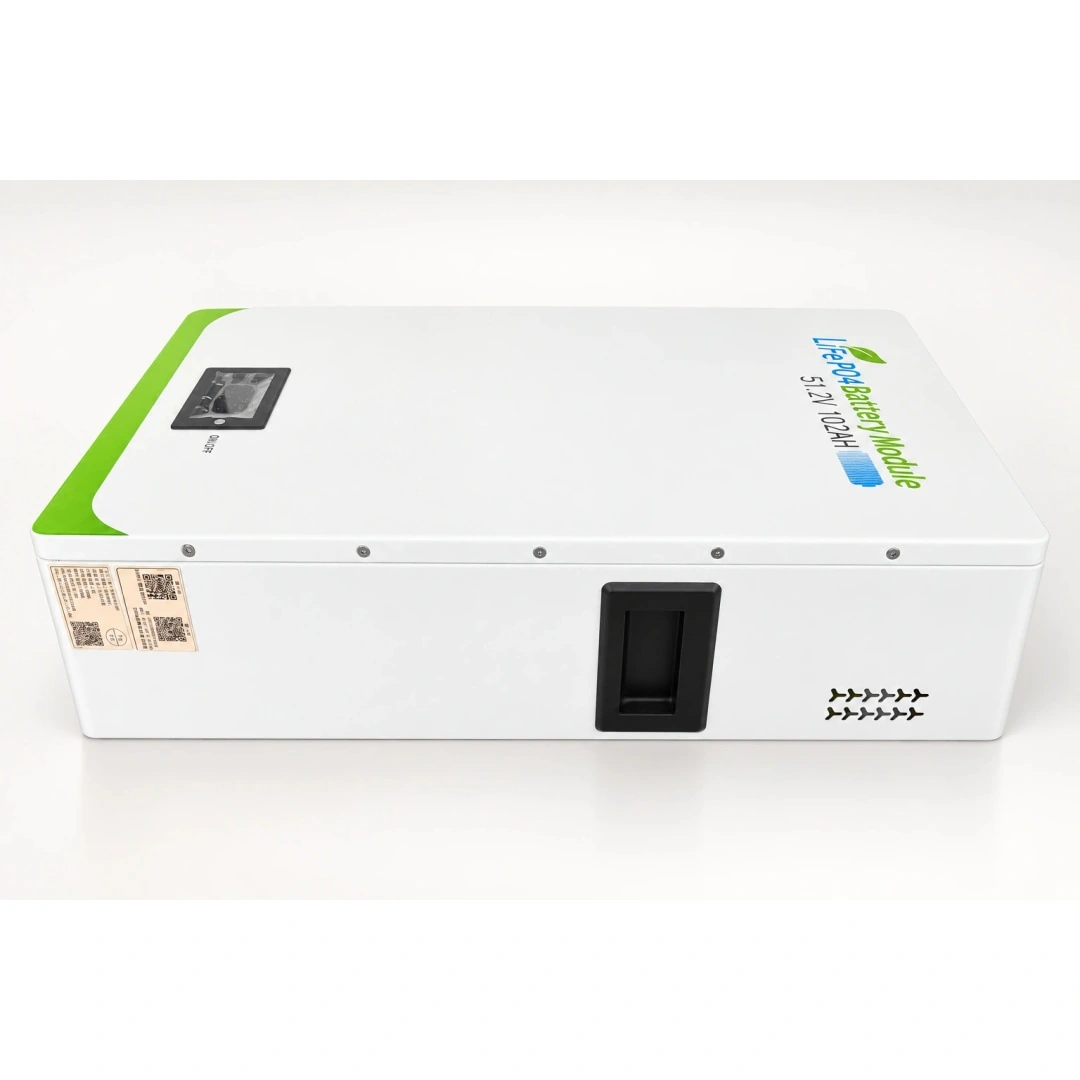
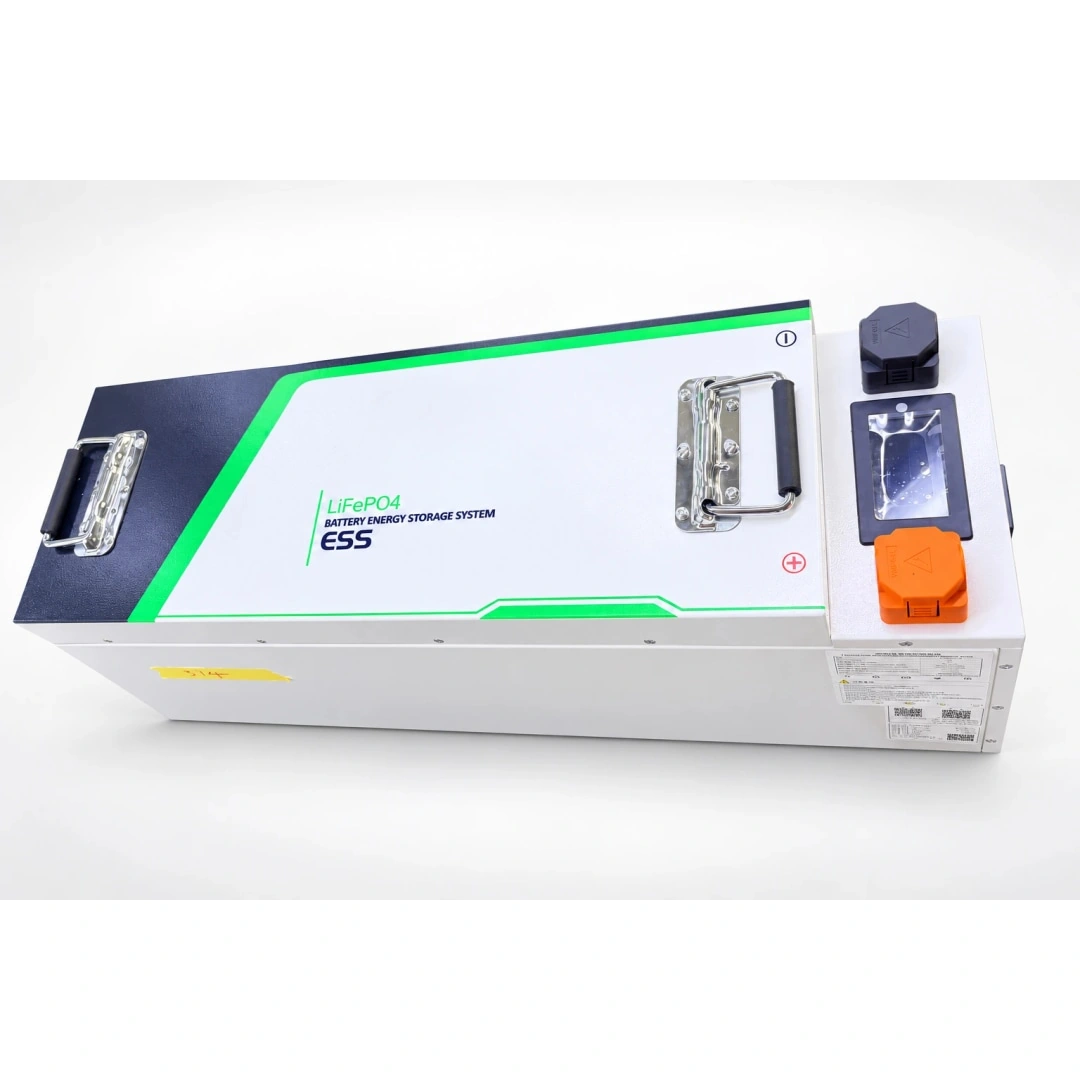
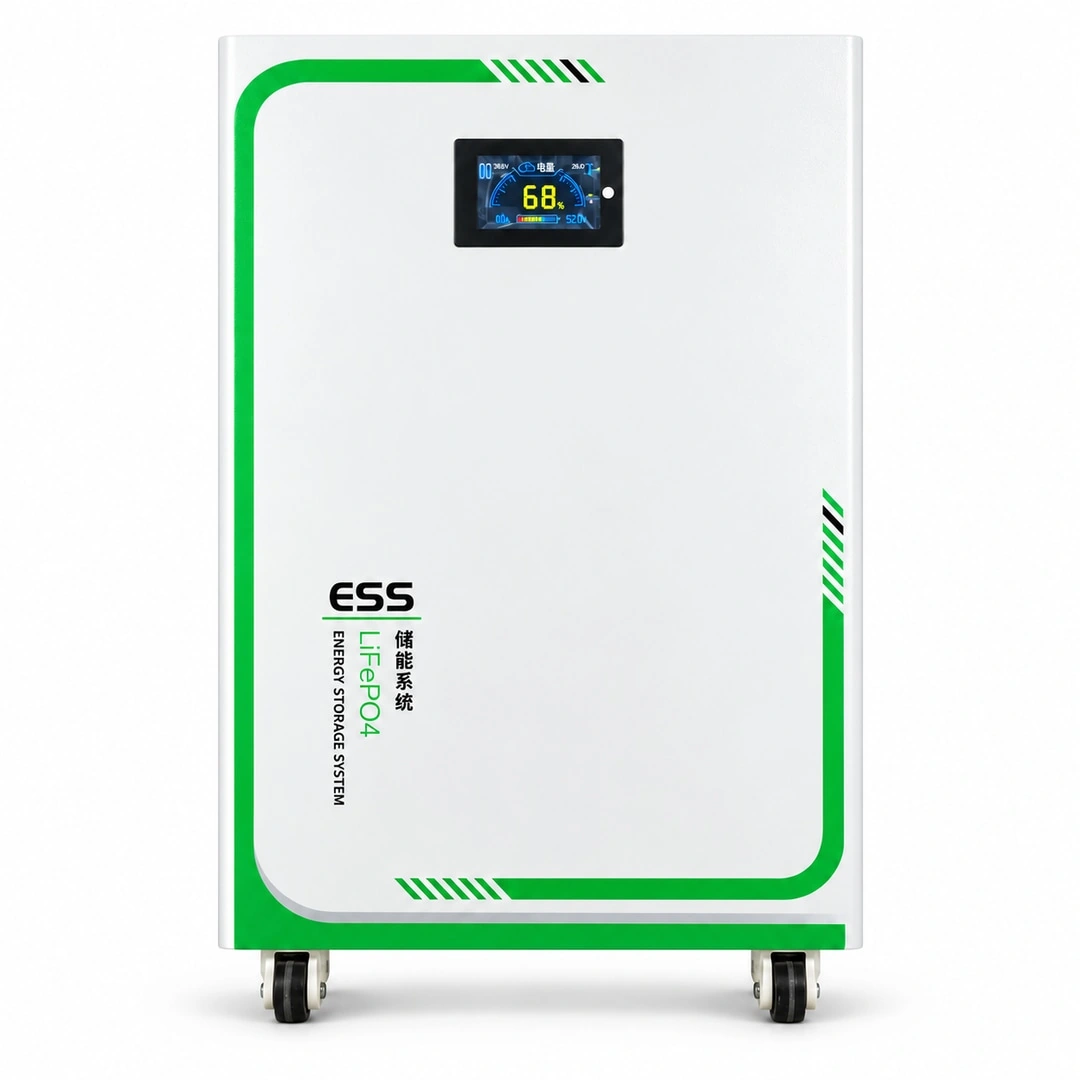
The catalogue includes 48V-class 5kWh, 24V 8kWh and 48V 16kWh LiFePO₄ options. Capacity describes energy; voltage determines electrical compatibility. Packs at different voltages are not interchangeable on the same bus.

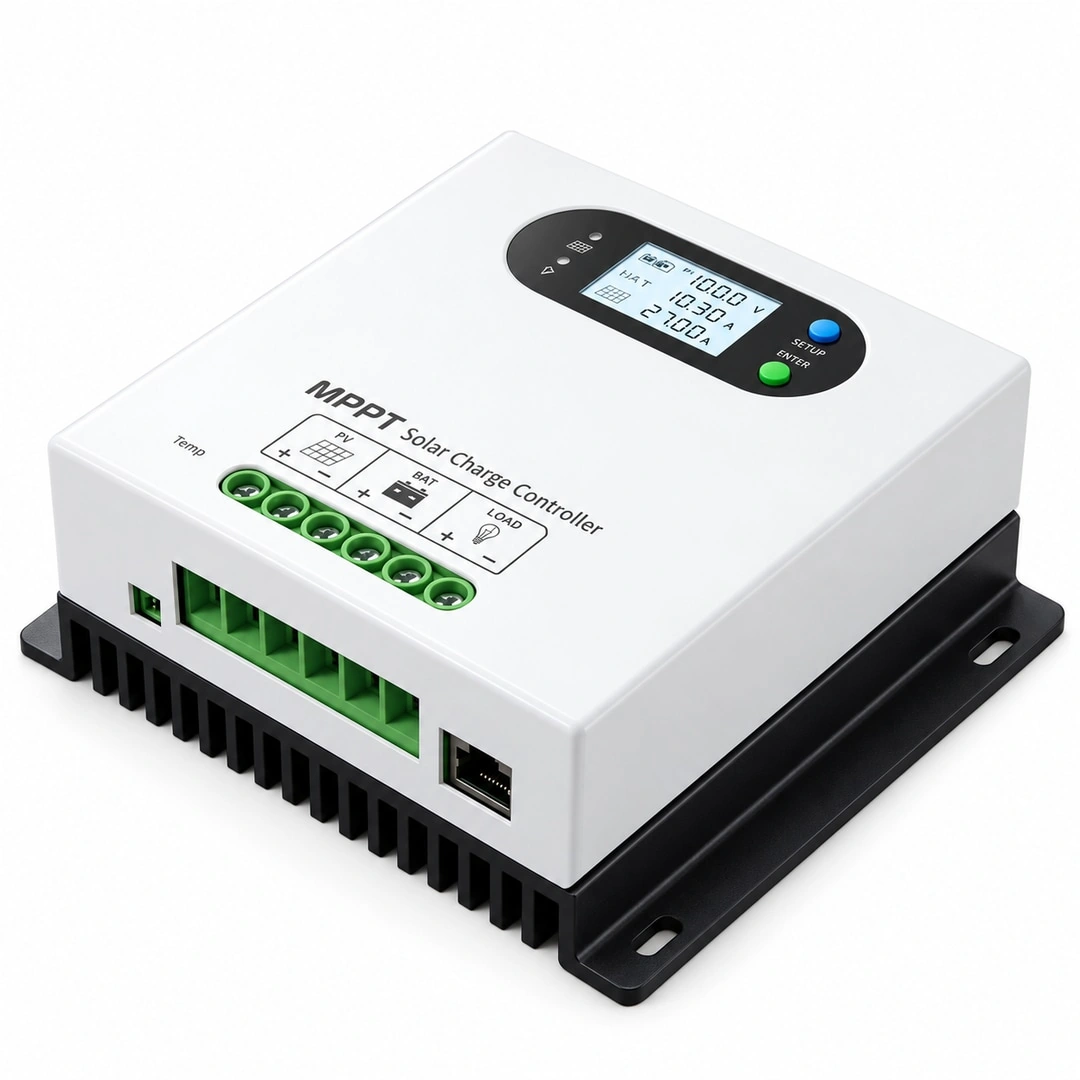
The confirmed V1.4 table specifies 12/24/36/48V for GY4840-MB and GY4860-MC, and 12/24V for GY2420-MB and GY2430-MB. Check cold-weather PV Voc, power limits and battery charging requirements.

Commission with operating records

Confirm DC isolation, overcurrent protection, grounding, cable lengths and terminals before installation. Set charging from the battery documentation; lithium profiles and battery temperature limits require model-specific confirmation.

Commission daytime charging, night operation, low-energy load management and recharge recovery. Record generation, consumption, minimum state of charge and faults. Use these observations to decide whether expansion needs more PV, storage or distribution capacity.

What to share for project selection

Share itemised loads, daily energy, reserve duration, PV location, AC loads and existing equipment. If batteries, PV modules, inverters or chargers already exist, include nameplate photographs and manuals for compatibility review.

These details support a load and energy budget, controller/storage comparison and confirmation of interfaces, installation and protection. Final models, quantities and operating targets depend on the complete configuration review; use the product pages and documentation as the starting point.
UNDERSTAND / YOUR APPLICATION

Application needs

Plan controllers and LiFePO₄ storage for remote posts, outdoor workstations and independent facilities using daily demand, reserve days and recharge capability.

01

Loads & operation

Combine solar panels, charge control, LiFePO₄ storage and DC distribution. Assess 48 V 5 kWh, 24 V 8 kWh or 48 V 16 kWh against daily energy and reserve days.

02

Charging & system fit

Architecture overview, not wiring. The controller charges the battery; load supply requires compatible batteries, DC bus, voltage conditioning and protection. Do not assume direct supply from controller load terminals.

ENERGY / VALUE

Solution value

01

Solar charging

Select control against PV input and battery needs, not panel wattage alone.

02

Plan storage capacity

Assess 48 V 5 kWh, 24 V 8 kWh or 48 V 16 kWh against daily demand, usable energy and reserve time; no fixed runtime is promised.

03

Designed around DC loads

Check battery, PV input, cabling and protection compatibility against the selected model documentation.

SYSTEM / CONNECTED ENERGY

System architecture

System architecture

Architecture overview, not wiring. The controller charges the battery; load supply requires compatible batteries, DC bus, voltage conditioning and protection. Do not assume direct supply from controller load terminals.

Charge controller

Daytime PV charges the battery through the controller. Compatible DC distribution and protection supply the loads.

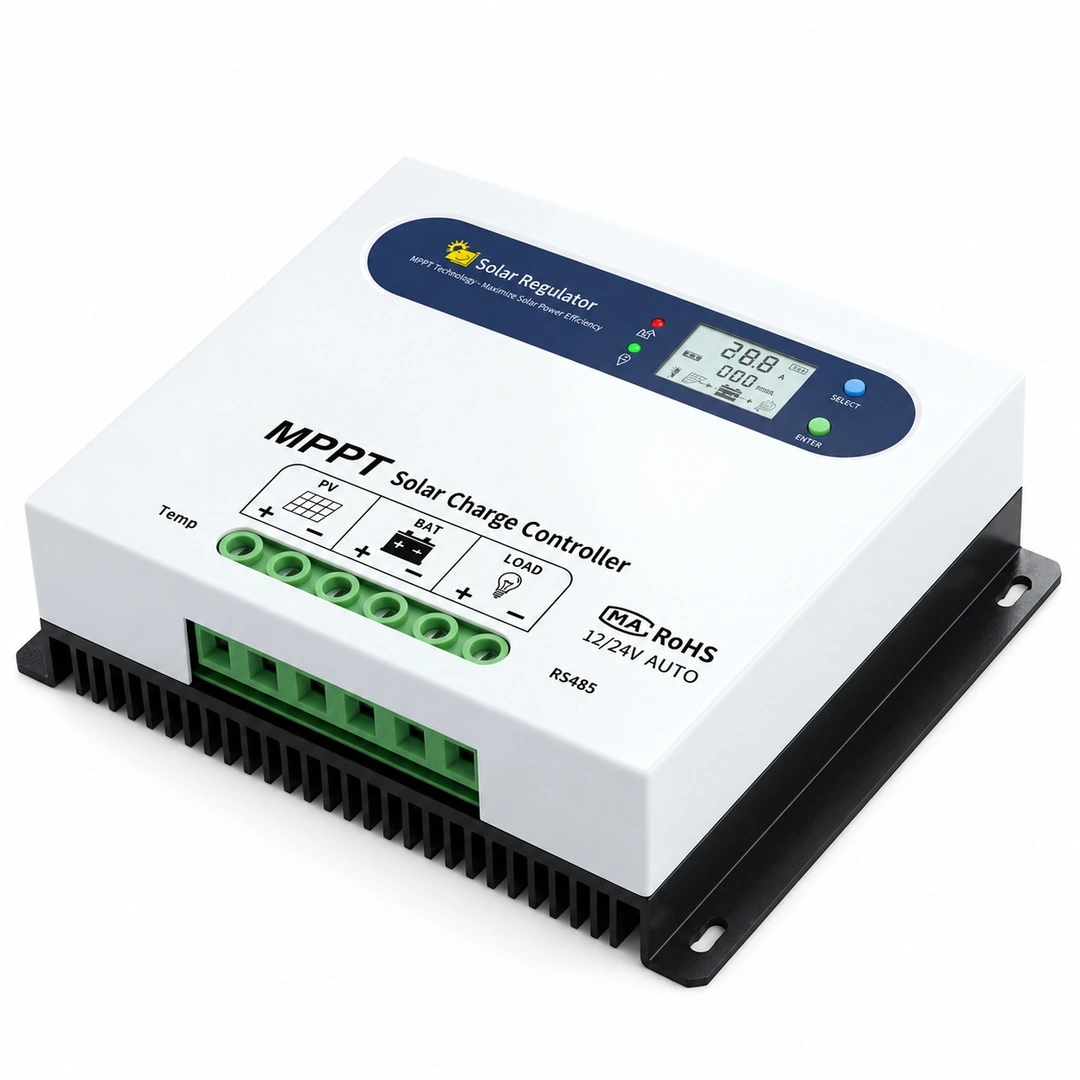
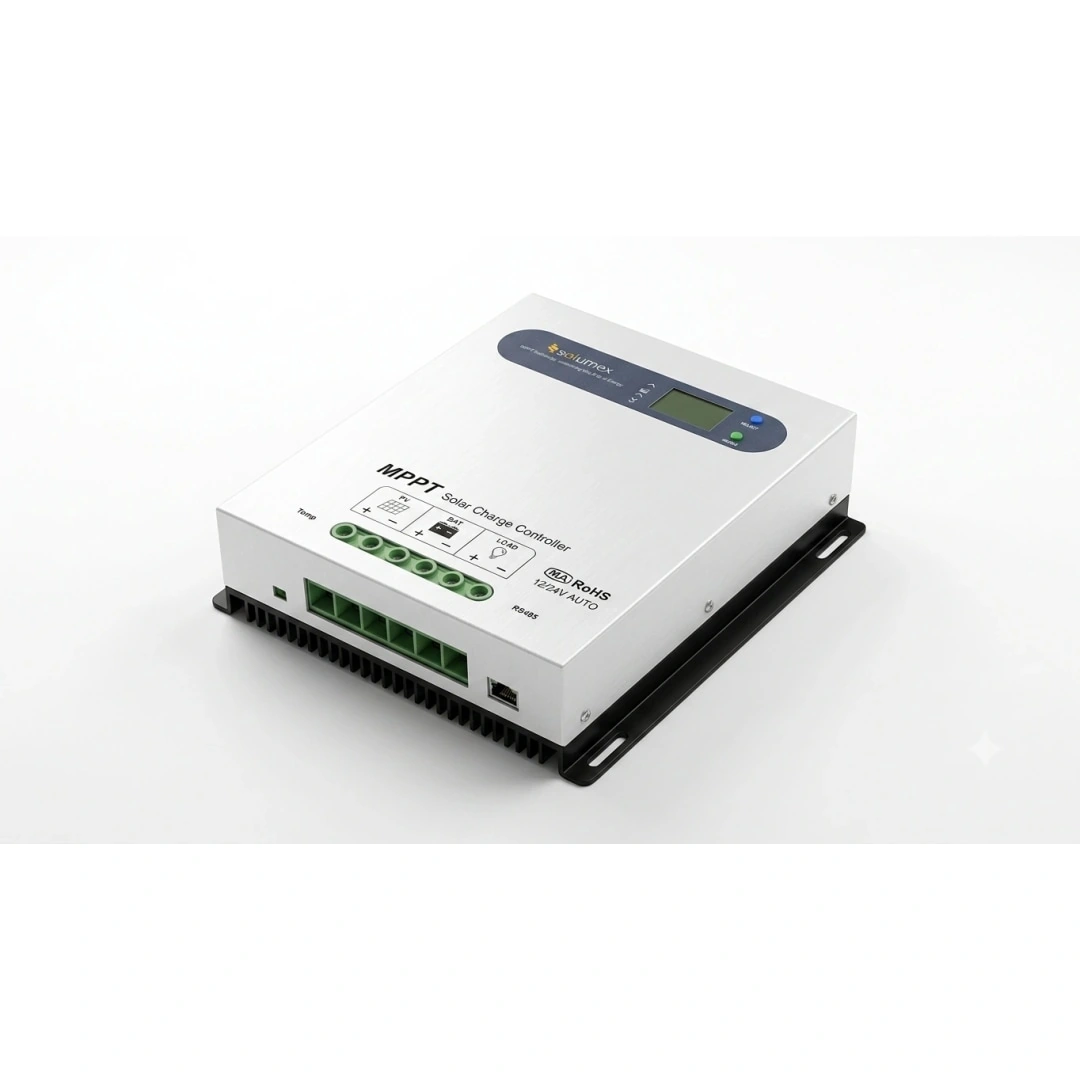
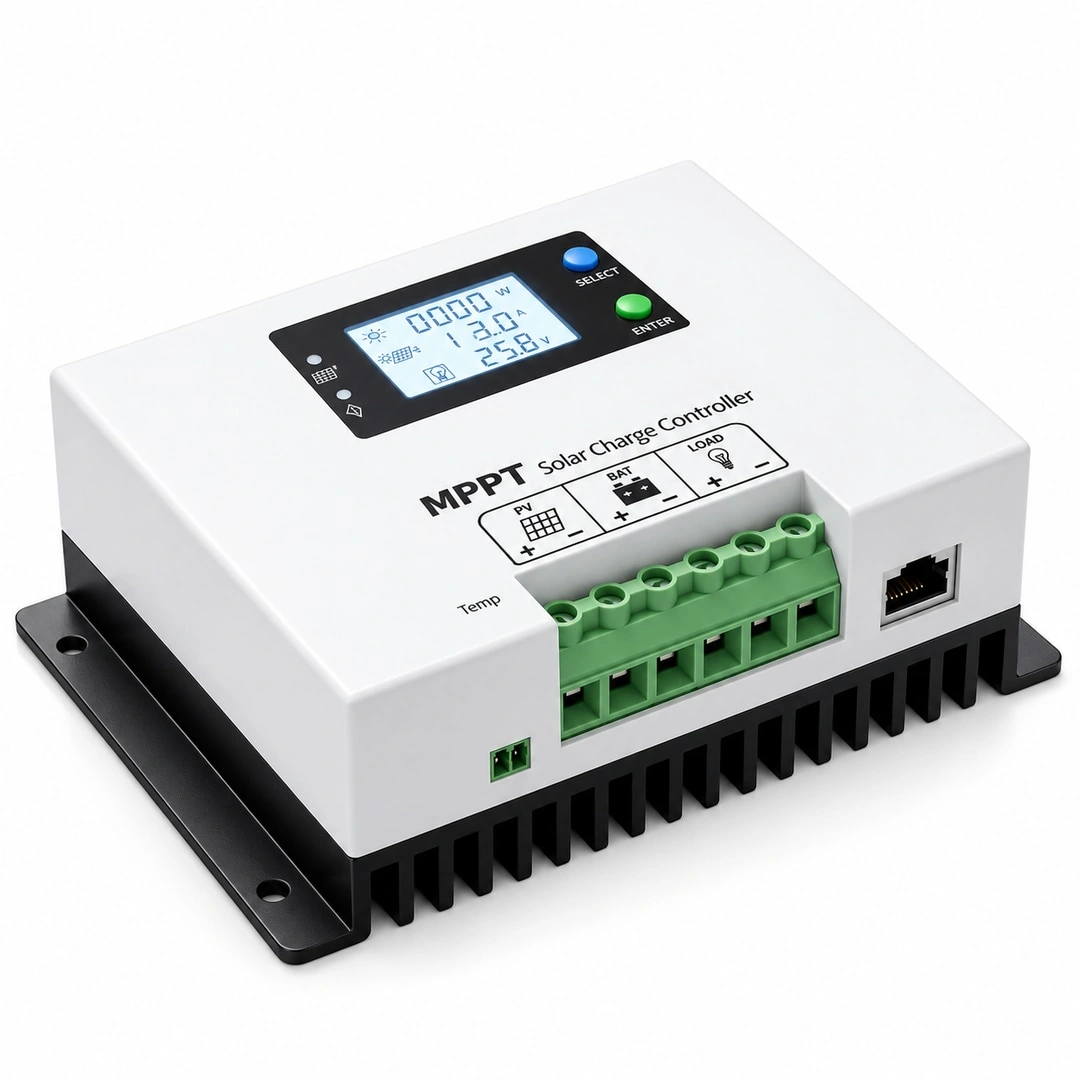
20A / 30A / 40A / 60A MPPT Controllers

APPLICATION / SCENARIOS

Typical applications

01

Small off-grid systems

Compact off-grid solar and storage

PRODUCTS / FOR THIS SOLUTION

Related products

View all products

SERVICE / PROJECT JOURNEY

Project journey

01

Define device needs

Share application, device voltage, peak current, daily consumption and solar panel data for configuration review.

02

Review charging & supply

Assess load voltage, peak current, daily energy, PV input and installation environment.

03

Confirm products & documents

Check battery, PV input, cabling and protection compatibility against the selected model documentation.

04

Delivery & service follow-up

Coordinate delivery for the agreed configuration and follow technical service using your enquiry reference.

Need product or project guidance?

Tell us what you need. Let’s find the right energy solution together.

Project enquiryService centre