
Keep remote equipment operating
Remote cameras, environmental sensors and data stations often draw modest power but operate for long periods. List cameras, modems, lights and actuators separately, recording standby power, peak demand and operating hours.
Night lighting, heaters and frequent data transmission change the energy budget. Include these modes explicitly and identify which functions must remain active during poor solar conditions.
From the solar array to the device
A basic system combines PV modules, a charge controller, a battery and protected DC distribution. Where equipment requires a regulated 5V, 12V or another voltage, select DC-DC conversion against the battery’s full operating range.
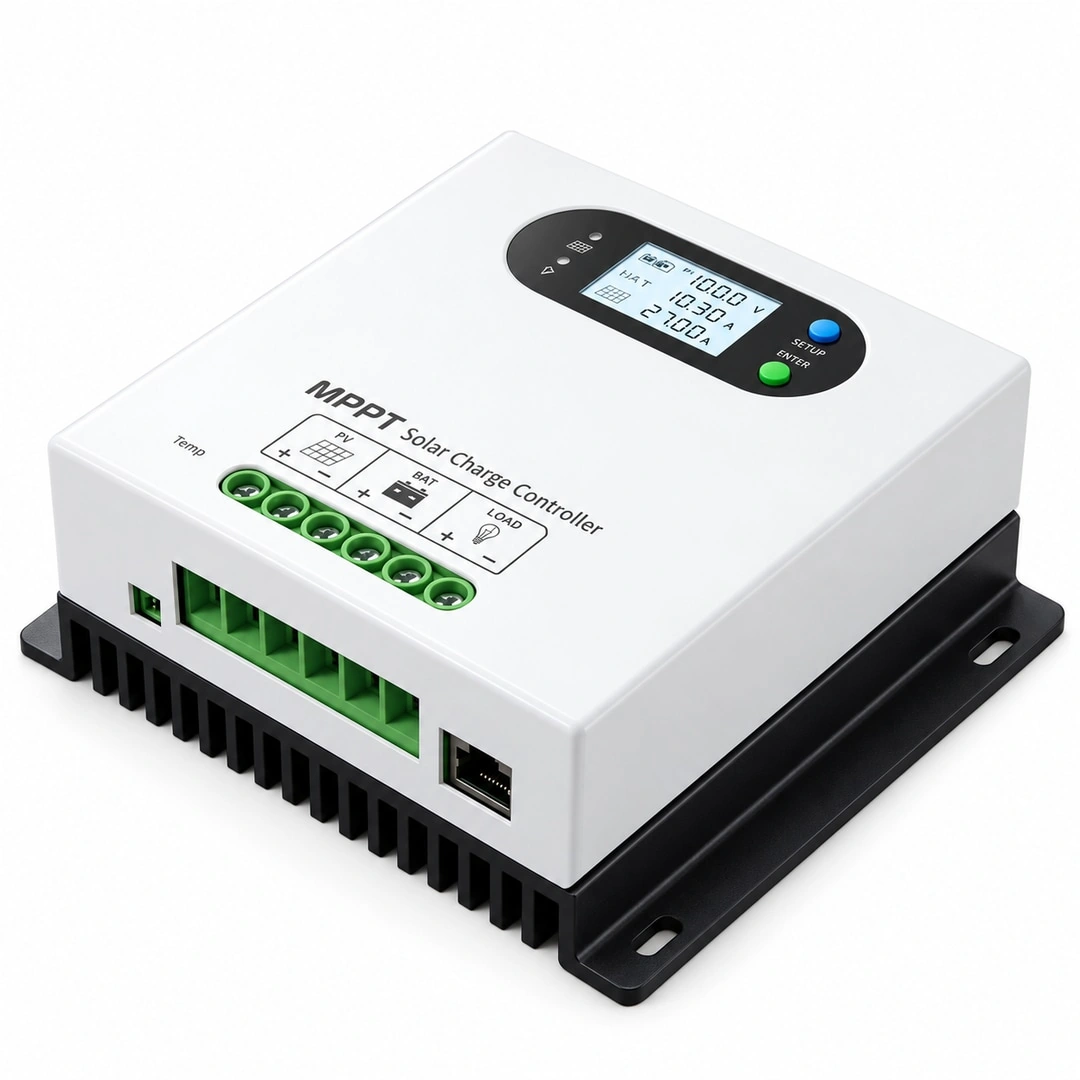
Check the selected controller’s load rating and mode before using its LOAD terminals. Review voltage drop on long cable runs and plan power and signal routing for the site.
Calculate energy from operating hours
For illustration, a node averaging 30W continuously consumes 30 × 24 ÷ 1000 = 0.72kWh per day. Two days without solar require 1.44kWh at the loads, before battery discharge limits, temperature, ageing and conversion losses. This is a calculation example, not a runtime claim.
Size PV using the site’s weaker solar season and actual shading rather than summer clear-sky output.
Match control and storage to the installation
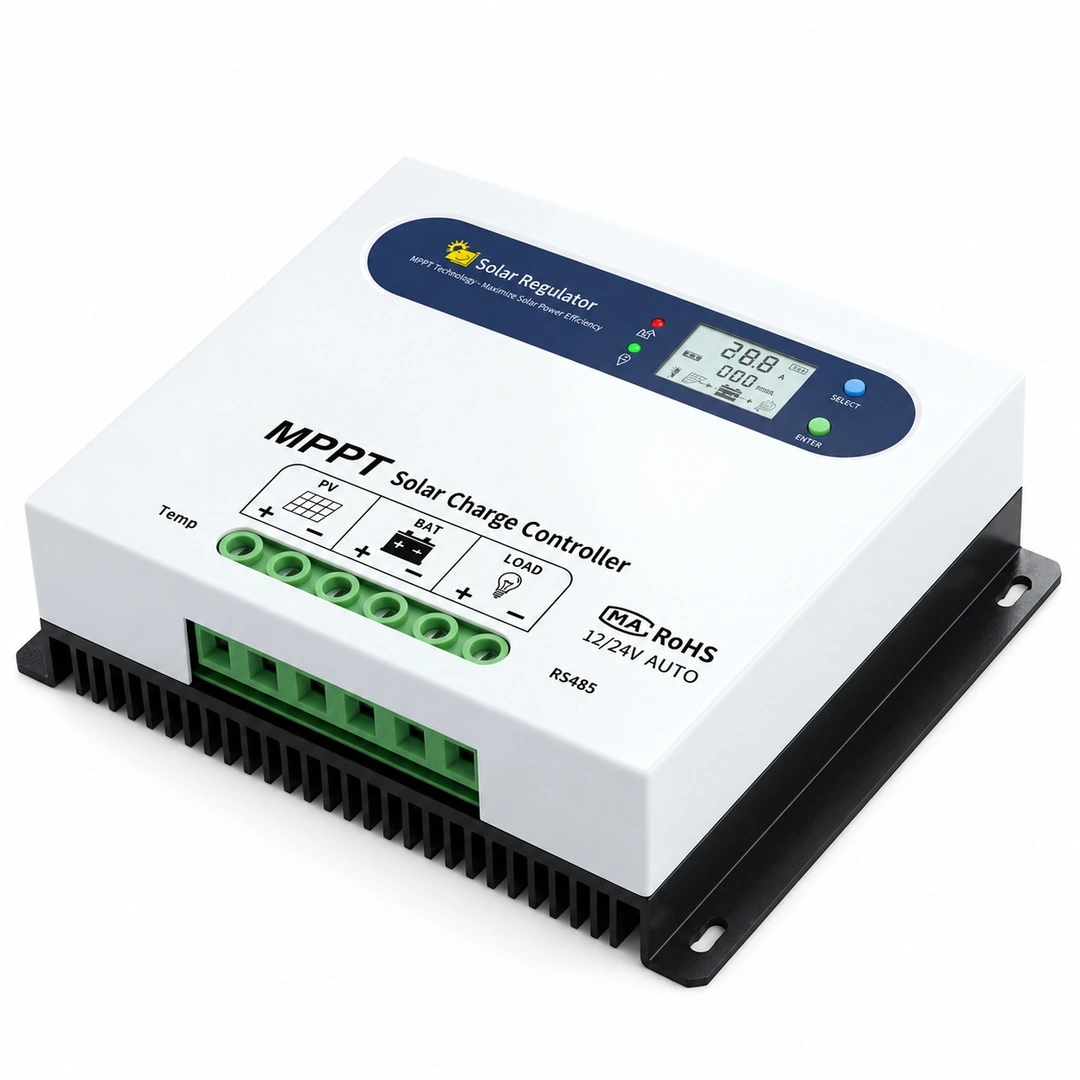
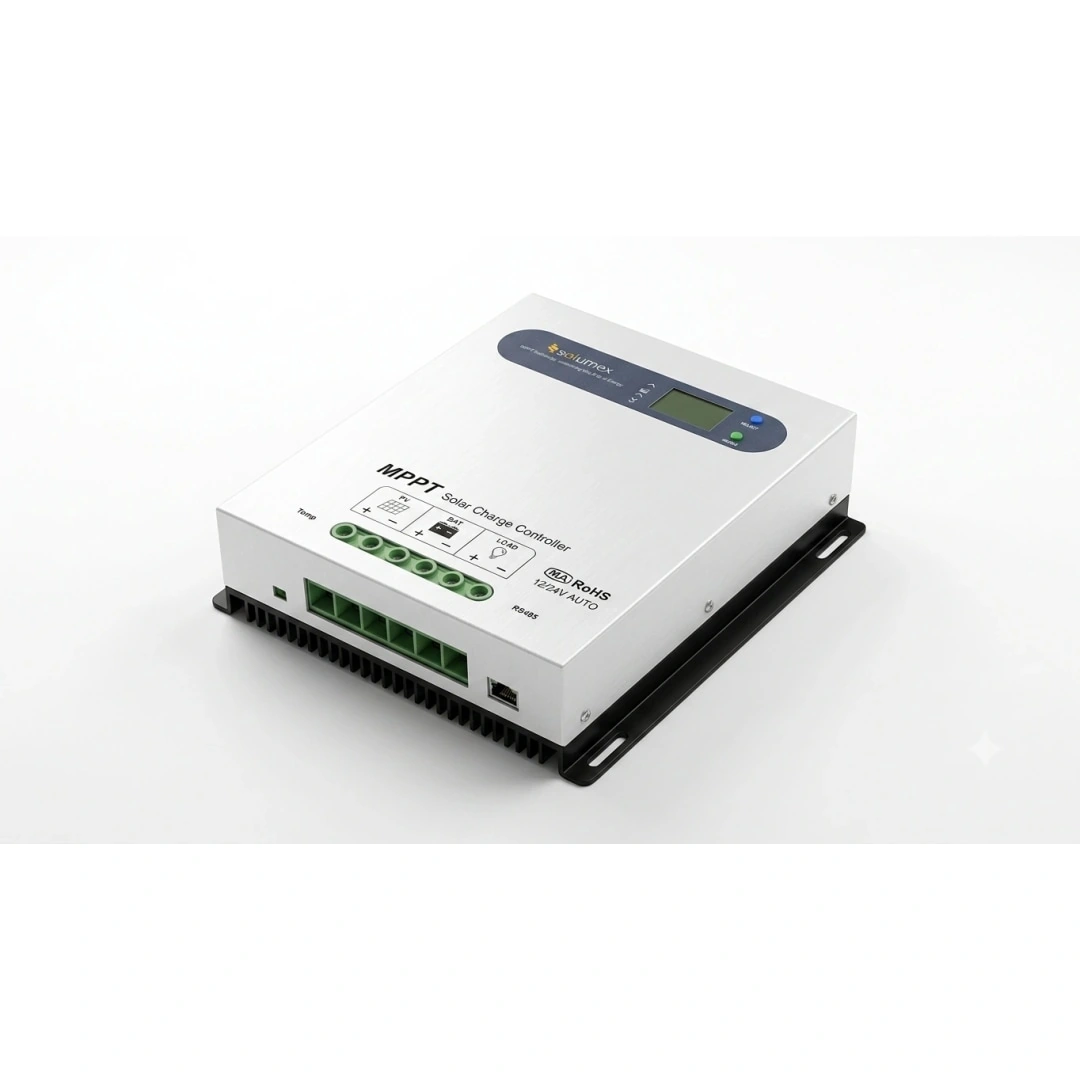
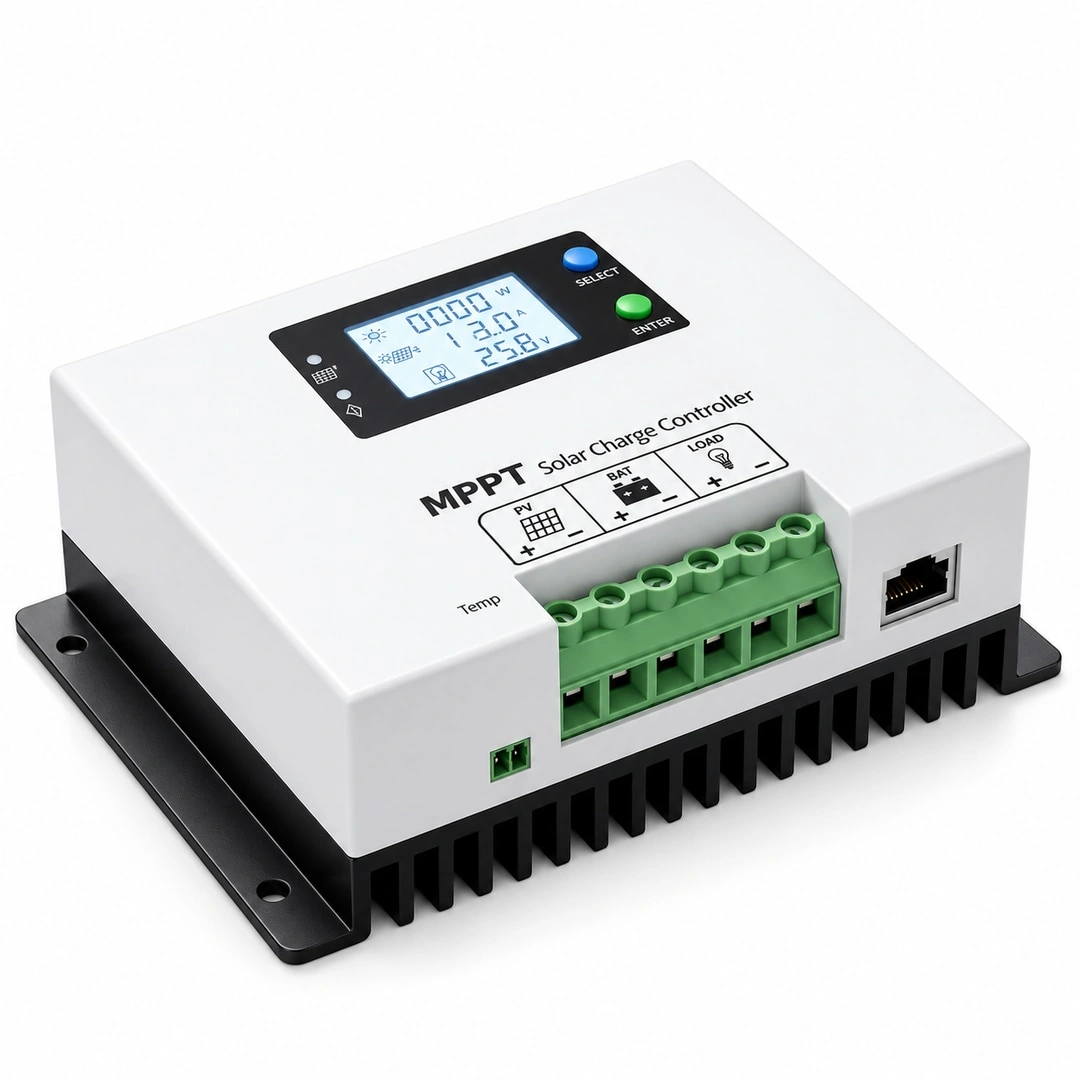
GY2420-MB and GY2430-MB provide 20A and 30A charging for 12/24V batteries, with maximum PV open-circuit voltages of 60V and 100V respectively. Check PV power and battery charge limits as well as voltage.
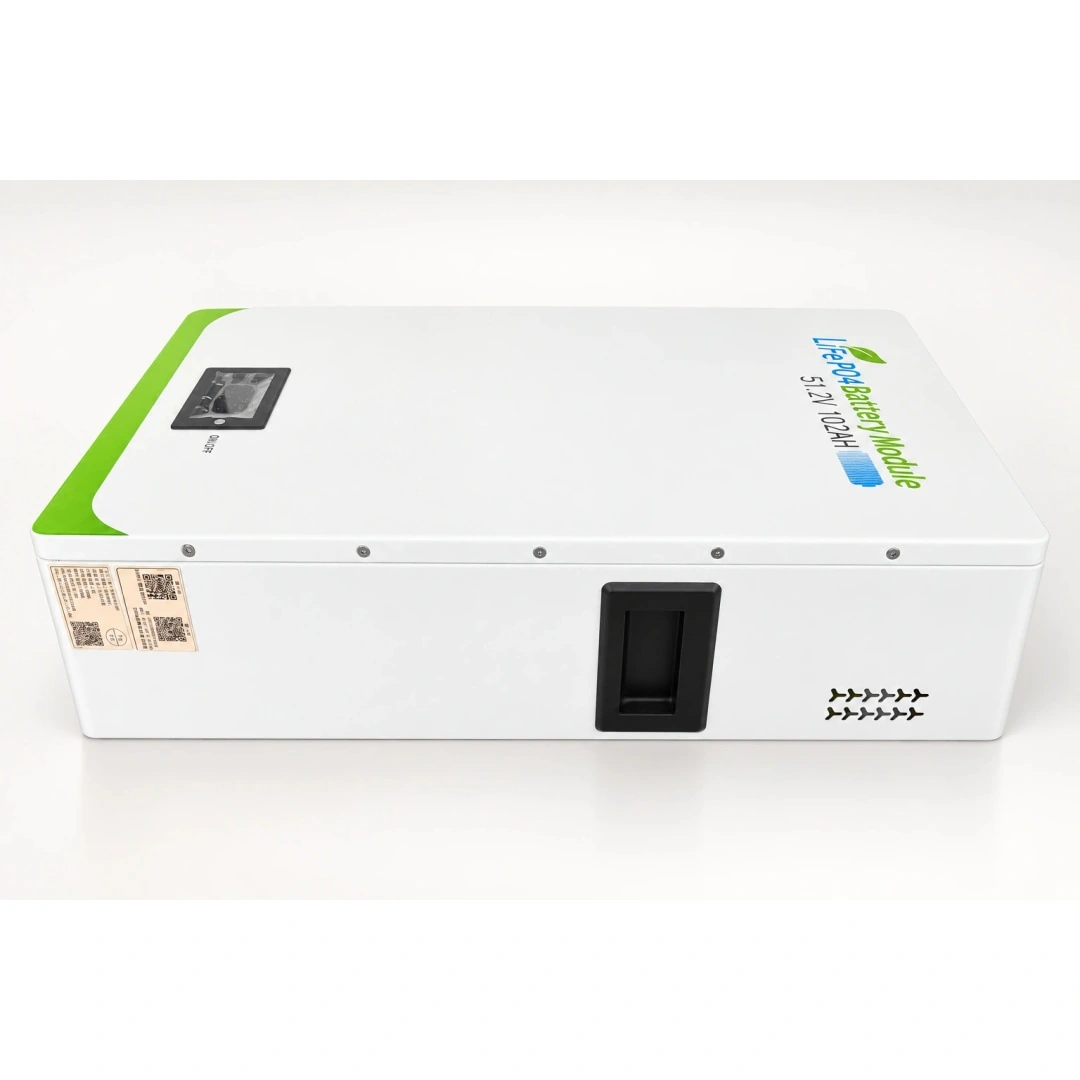
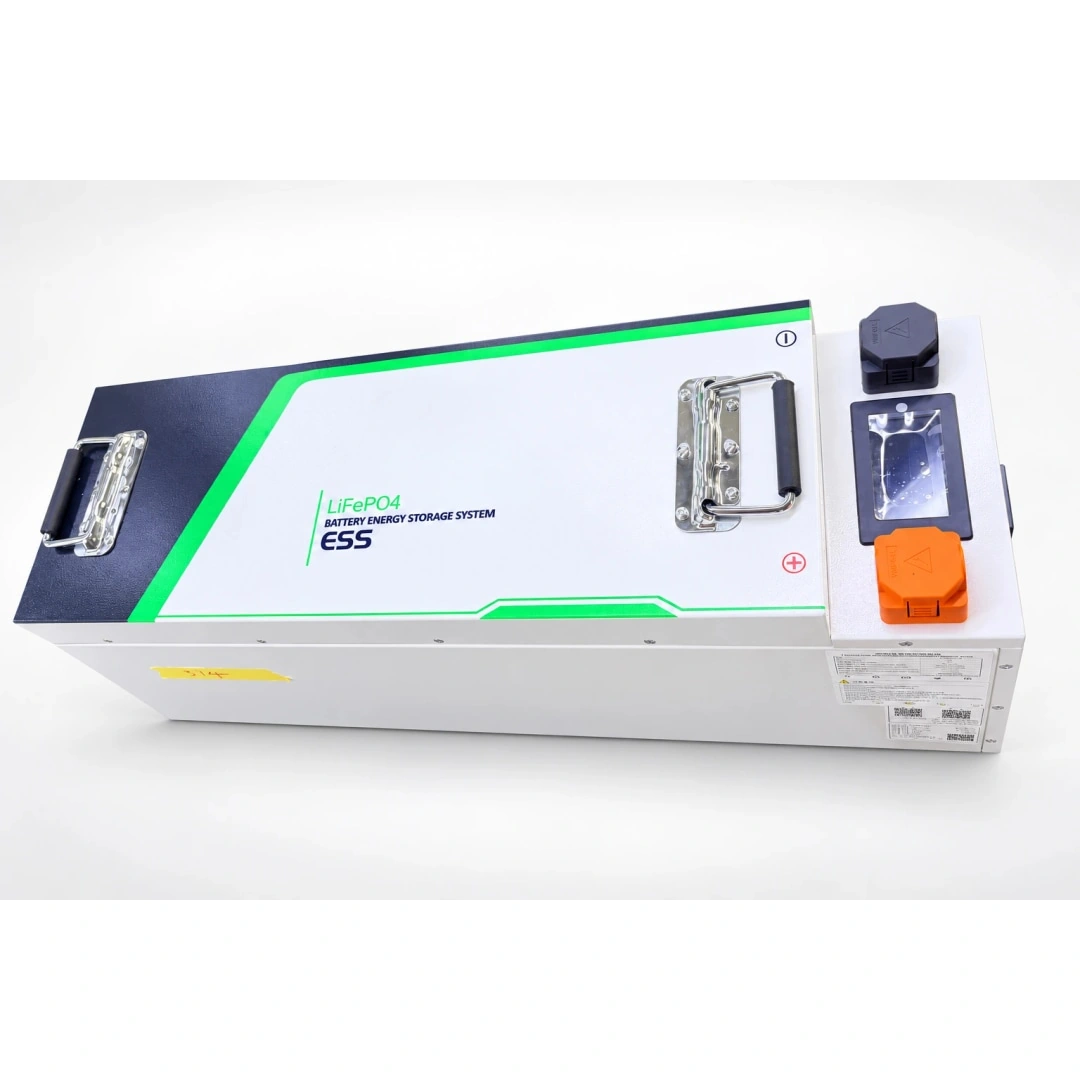
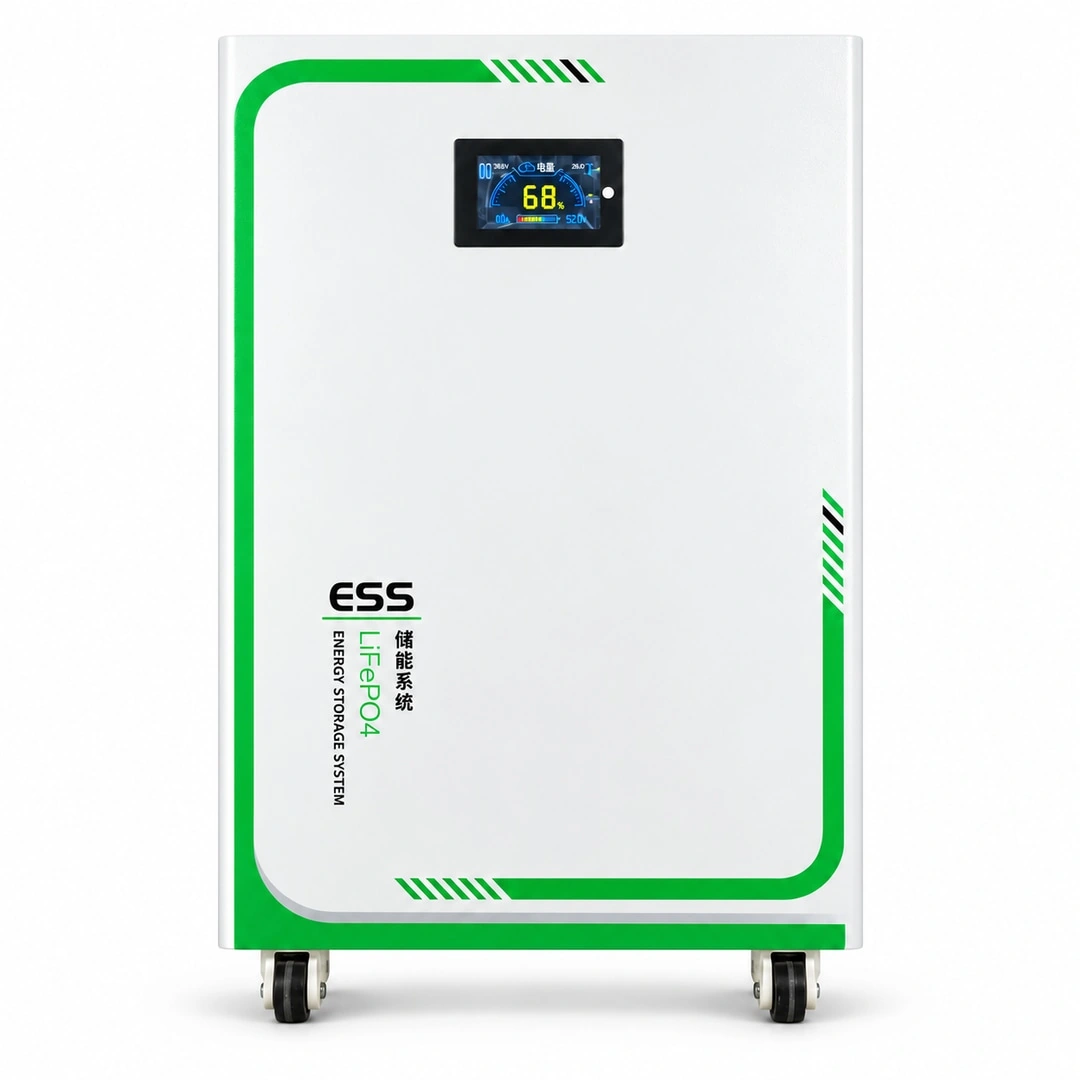
A 5kWh-class LiFePO₄ pack is an option for multiple devices or longer reserve periods; calculate demand first. Plan enclosure heat management, condensation control and service access, and record night consumption during commissioning.
What to share for project selection
Share device voltage and power, night modes, reserve days, location and cable distance. If batteries, PV modules, inverters or chargers already exist, include nameplate photographs and manuals for compatibility review.
These details support a load and energy budget, controller/storage comparison and confirmation of interfaces, installation and protection. Final models, quantities and operating targets depend on the complete configuration review; use the product pages and documentation as the starting point.
 Product appearance concept