
Plan power around the way you travel
Separate driving and parked operation. Refrigeration, lighting, ventilation, pumps, communications and cooking appliances have different duty cycles; air conditioning and electric heating may dominate peak demand. List daily hours and simultaneous loads before sizing storage.
Long stays depend more on solar and storage balance, while frequent travel may justify alternator charging. Runtime must reflect the actual travel pattern.
Manage solar and alternator charging separately
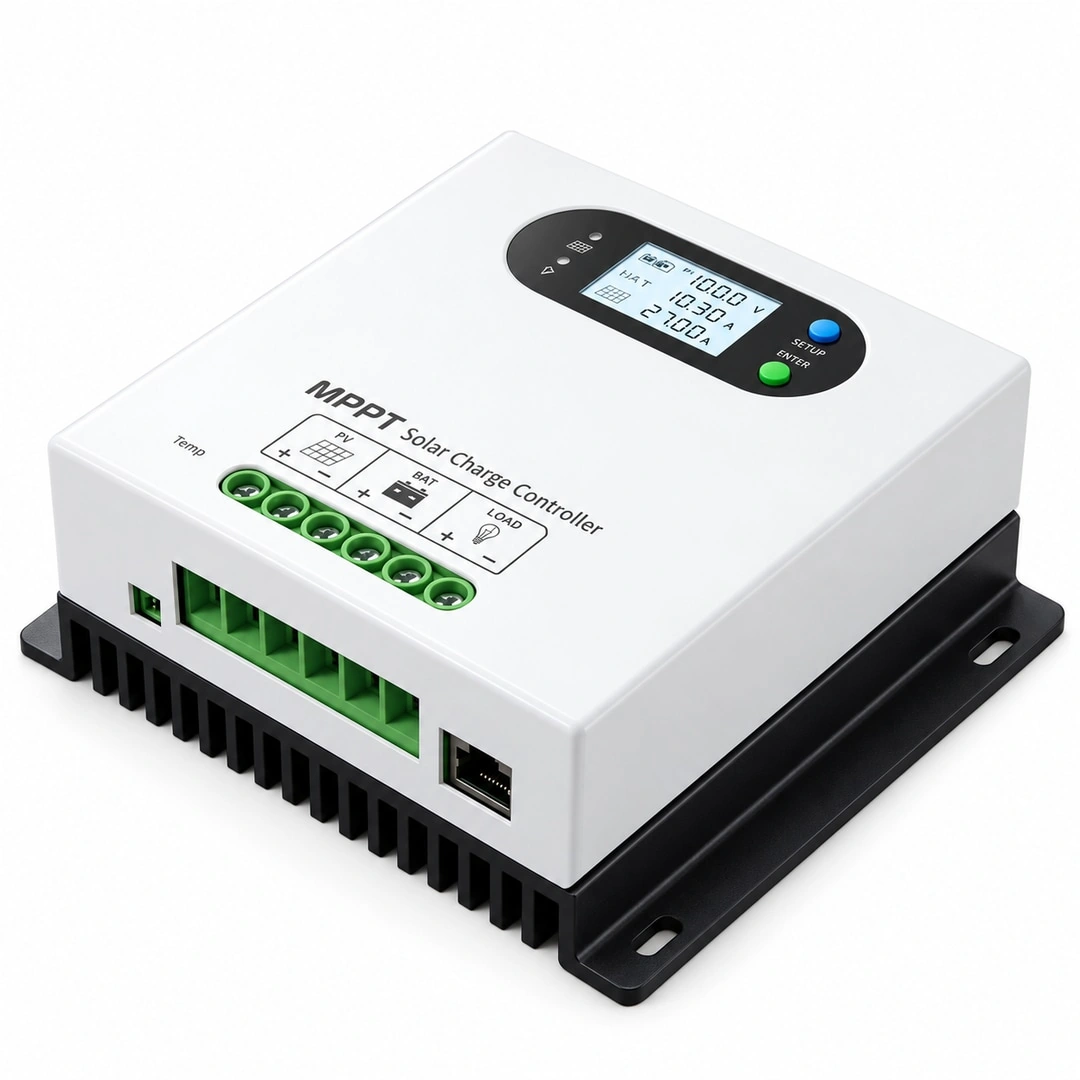
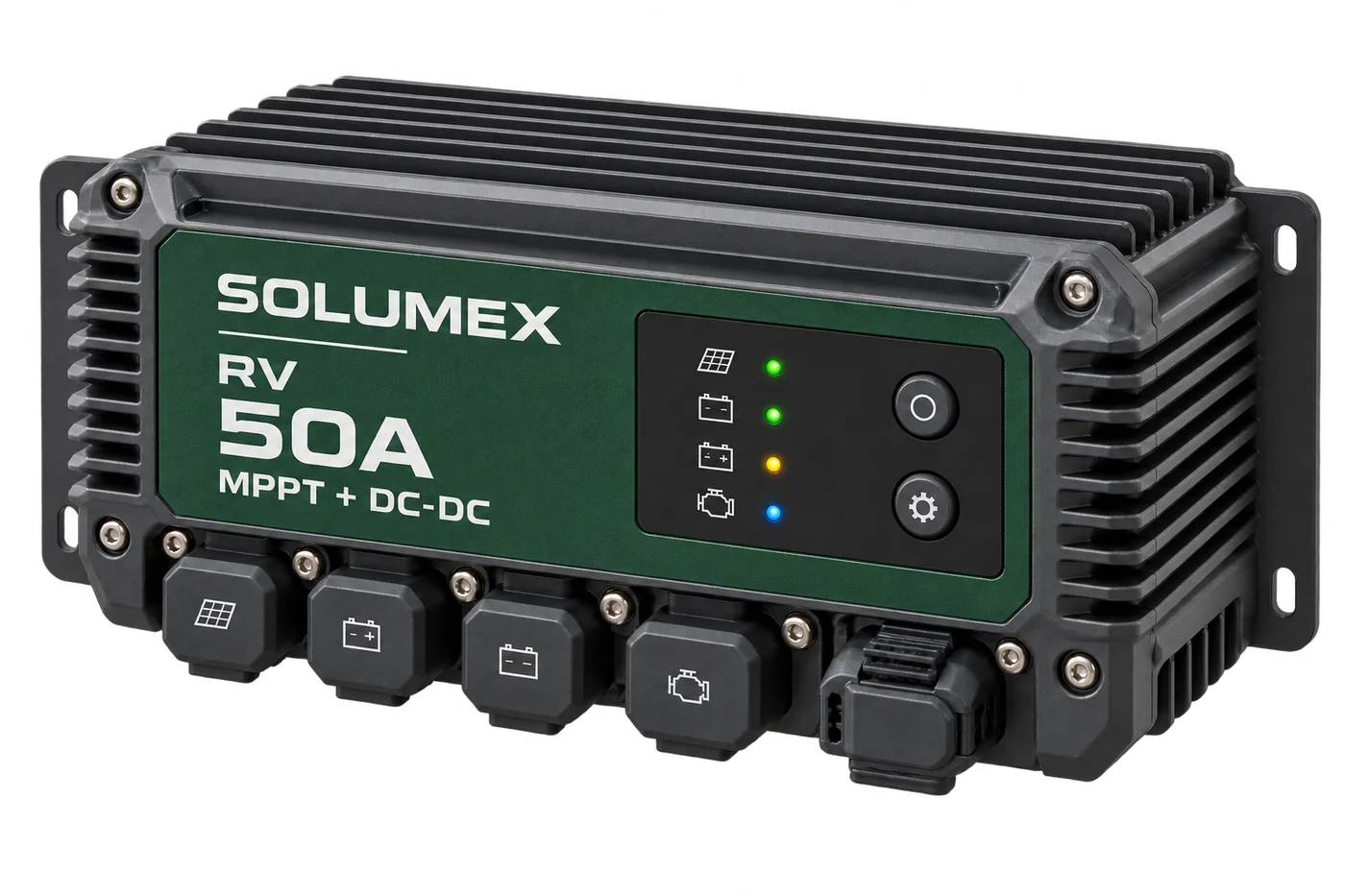
Rooftop PV charges the service battery through MPPT; alternator charging uses a DC-DC circuit compatible with the vehicle. Define starter/service battery isolation, charge enable conditions and parked energy management.
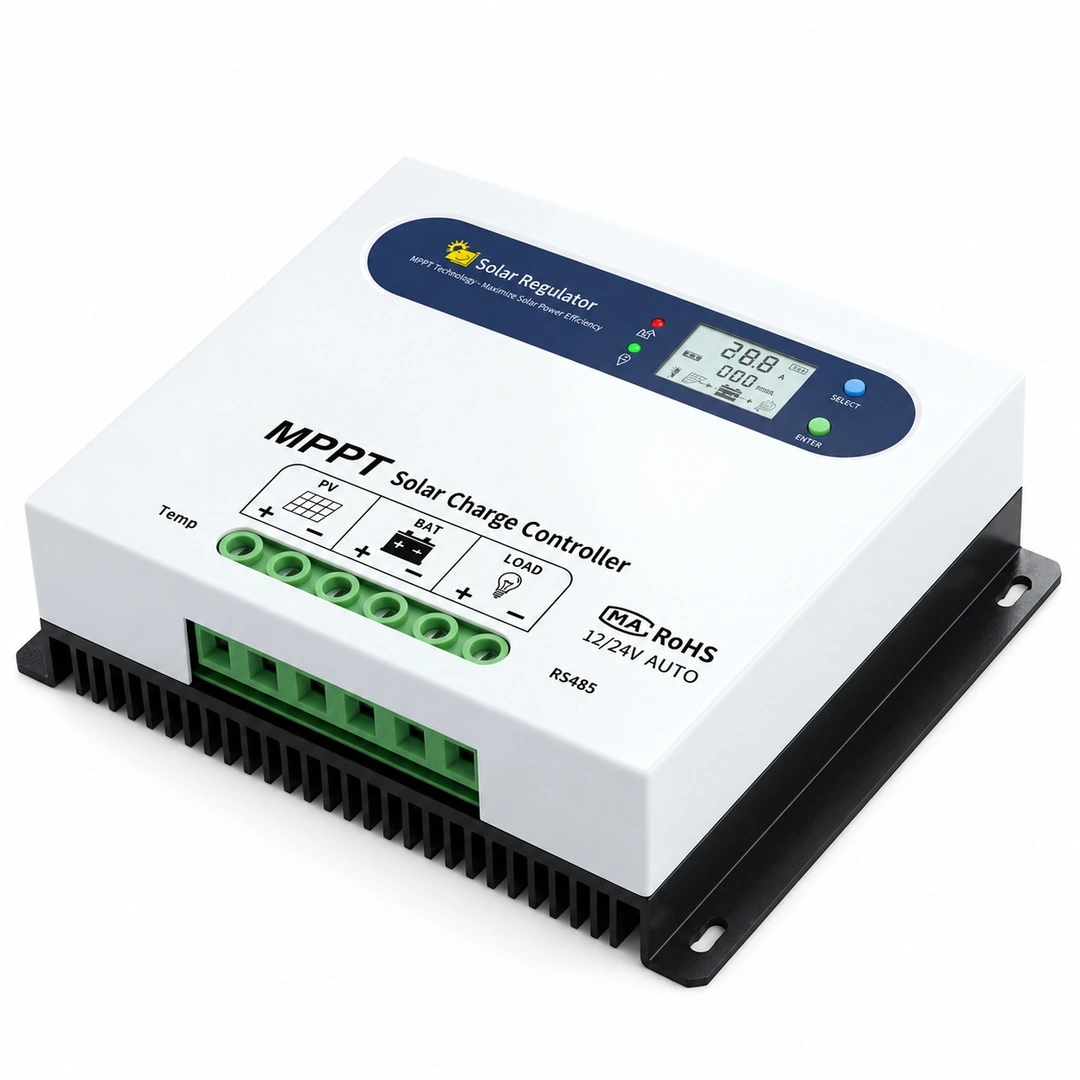
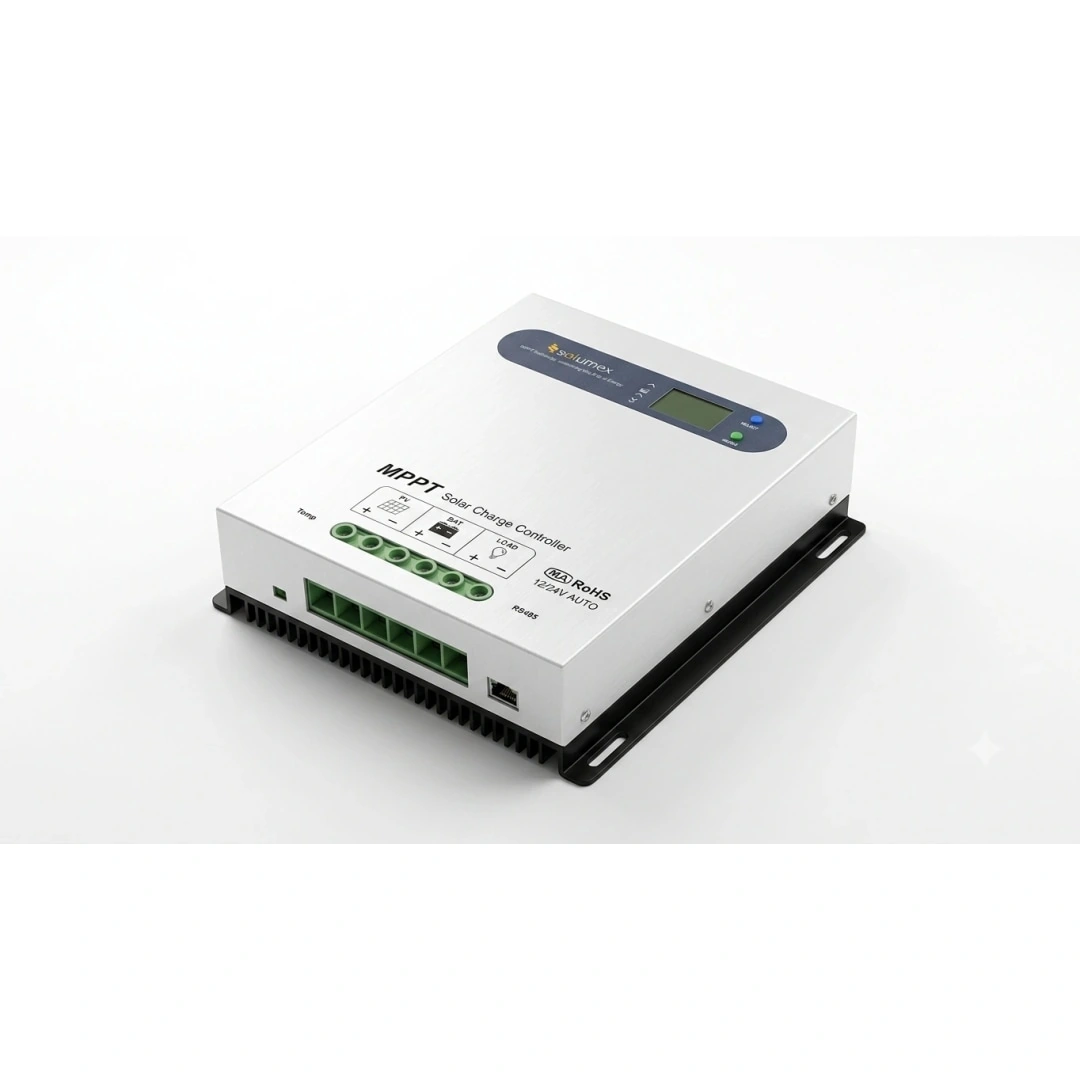
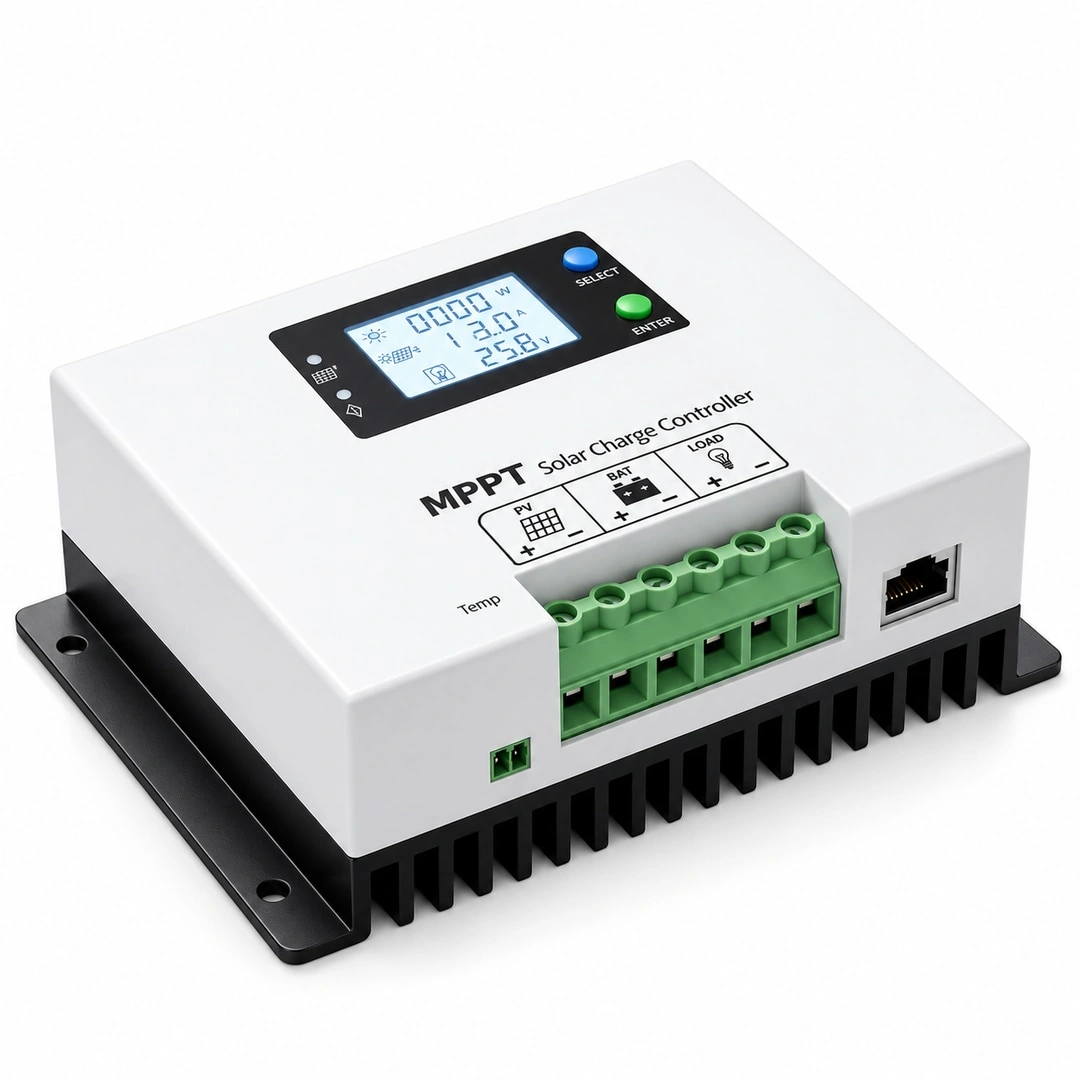
An RV MPPT + DC-DC product is an option for two charging sources, subject to model specifications. When chargers operate together, check their combined current against battery and BMS limits.
Check usable energy and voltage separately
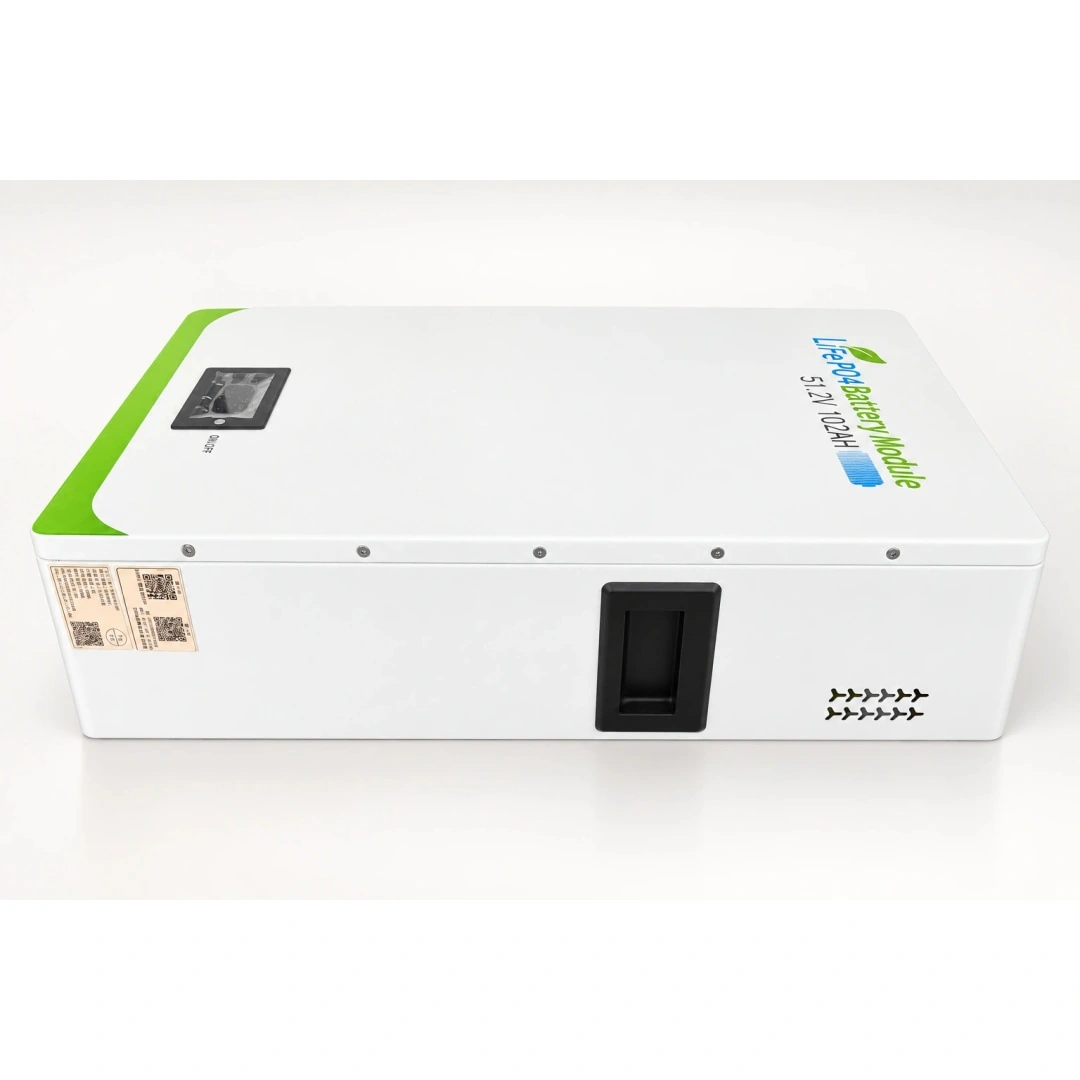
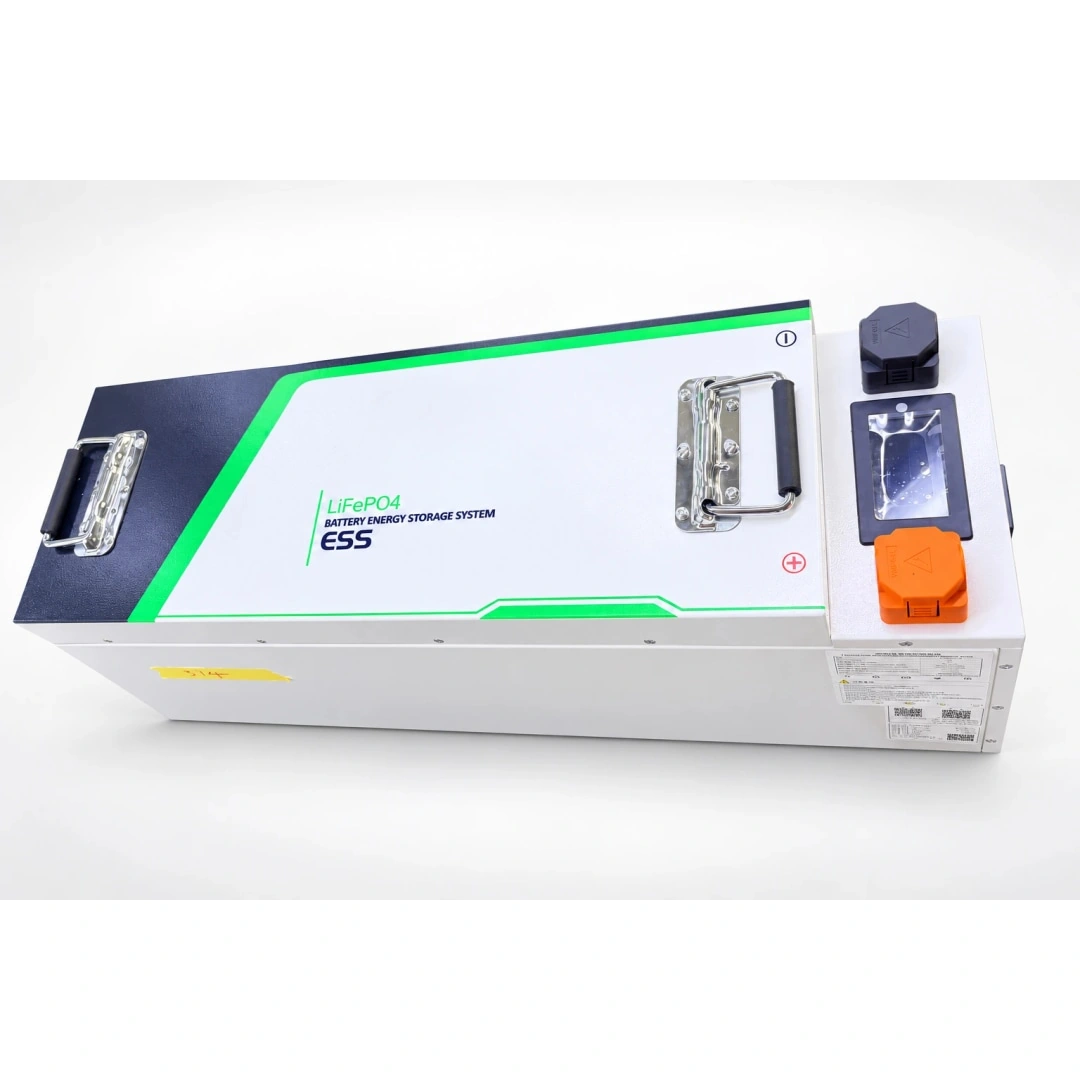
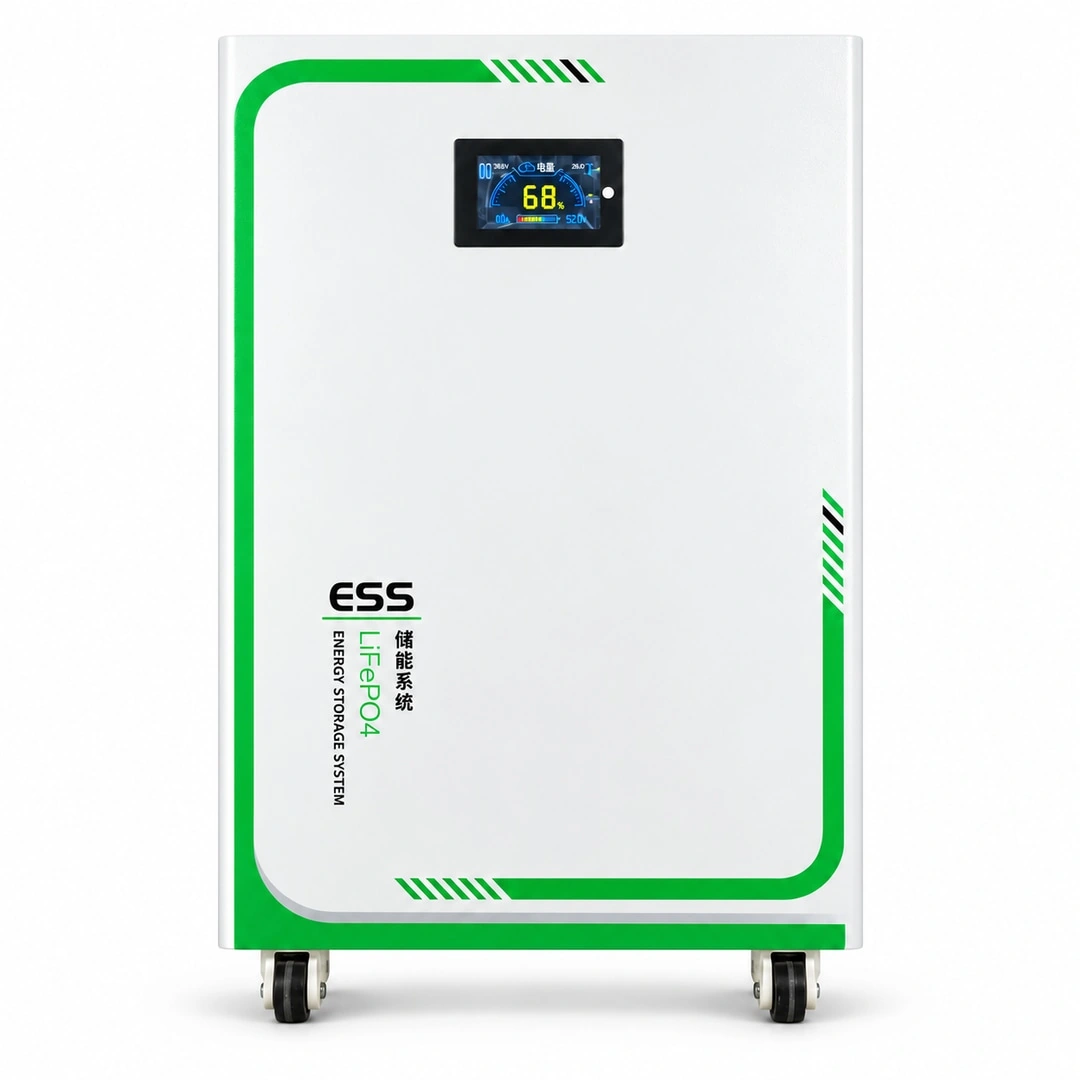
The 24V 8kWh LiFePO₄ pack can be evaluated for a 24V service system, after checking operating voltage, output limits, dimensions and mounting. A 12V vehicle circuit needs suitable voltage conversion and distribution.
Energy capacity does not determine allowable inverter or air-conditioner power. Check continuous and peak output, voltage drop and circuit protection, and estimate parked runtime from usable energy.
Installation and pre-trip checks
Position rooftop modules around shading from rooflights, air-conditioning units and racks, with suitable structural mounting. Provide service and cooling space, protect cables at metal penetrations and inspect terminals and fasteners periodically.
Commission driving charge, parked solar charge and night loads, recording a representative day. Check battery settings and protection before travel. Remote monitoring depends on the installed communication equipment.
What to share for project selection
Share vehicle model and voltage, roof area, appliance list, parked duration and existing chargers. If batteries, PV modules, inverters or chargers already exist, include nameplate photographs and manuals for compatibility review.
These details support a load and energy budget, controller/storage comparison and confirmation of interfaces, installation and protection. Final models, quantities and operating targets depend on the complete configuration review; use the product pages and documentation as the starting point.
 Product appearance concept