
Separate critical and service loads
Schedule lighting, refrigeration, ventilation, pumps and domestic appliances by use. Navigation, communications and other voyage-related equipment require separate reliability assessment. Define priorities, backup arrangements and the limits of the service-battery system.
This guide addresses service and auxiliary power planning. Storage capacity alone does not establish suitability for propulsion, emergency duties or a particular vessel classification.
Match the onboard voltage architecture
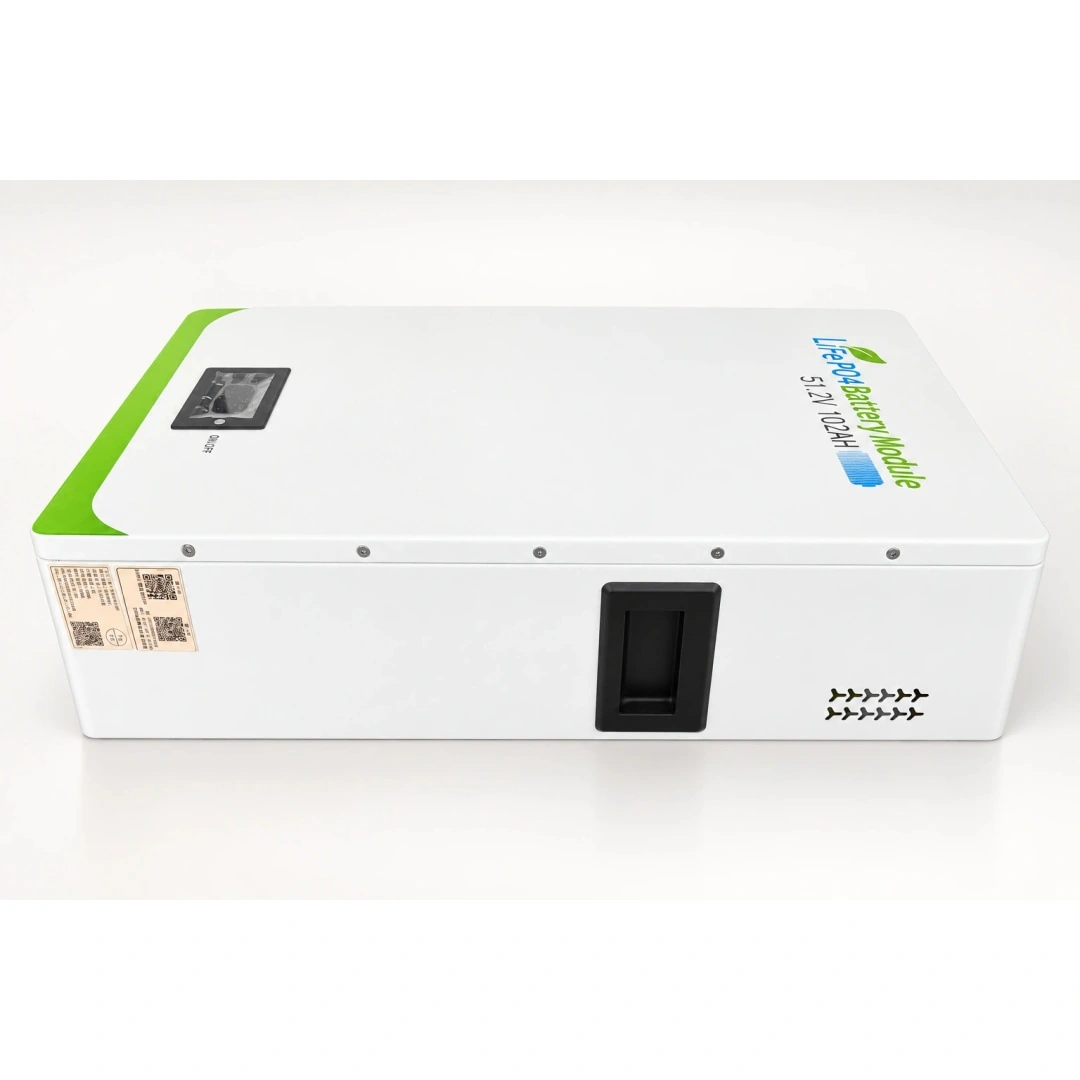
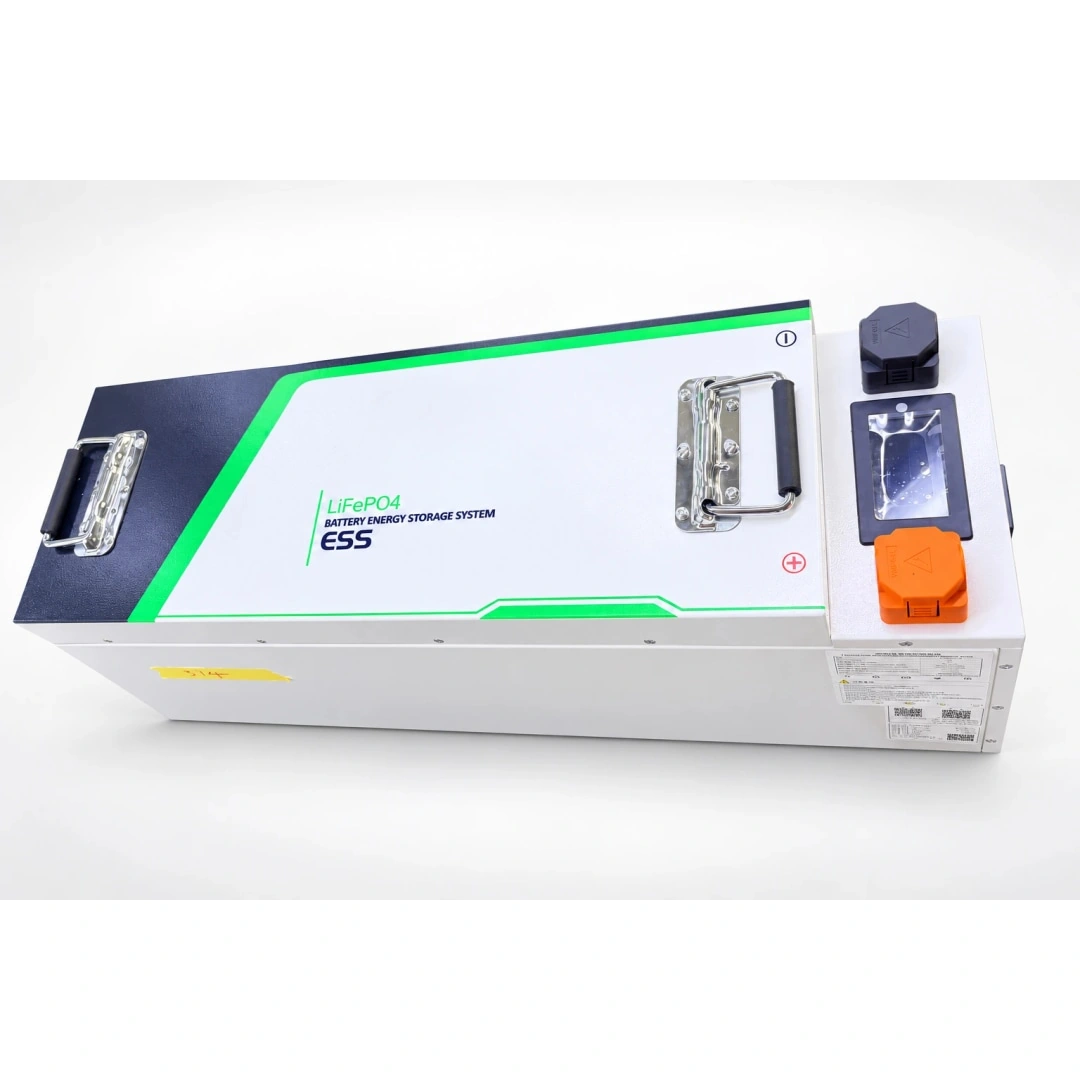
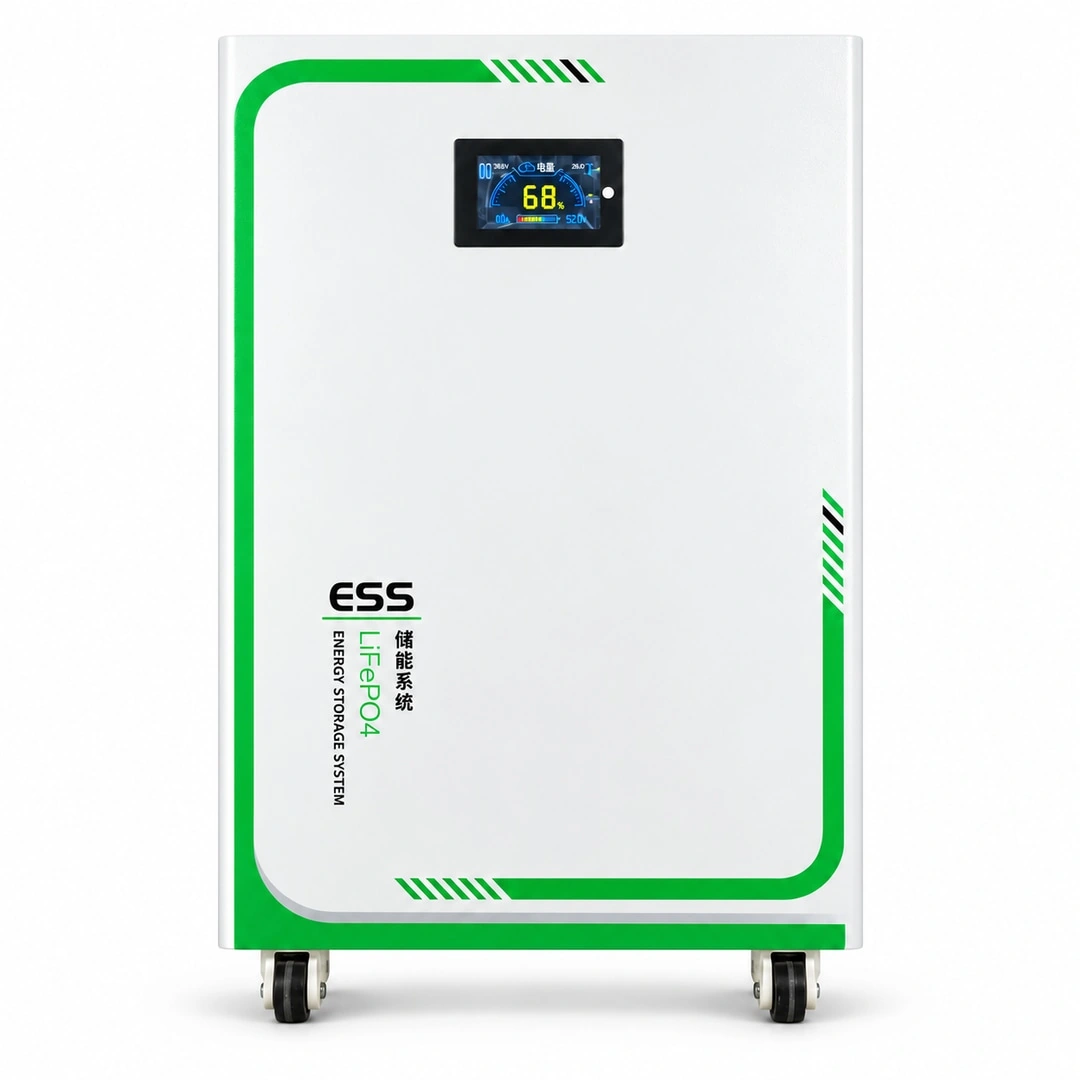
Evaluate the 24V 8kWh LiFePO₄ pack for a 24V service bus; other-voltage devices need compatible distribution or conversion. Where solar, shore and engine charging coexist, coordinate battery profile, voltage, combined current and charge enable conditions.
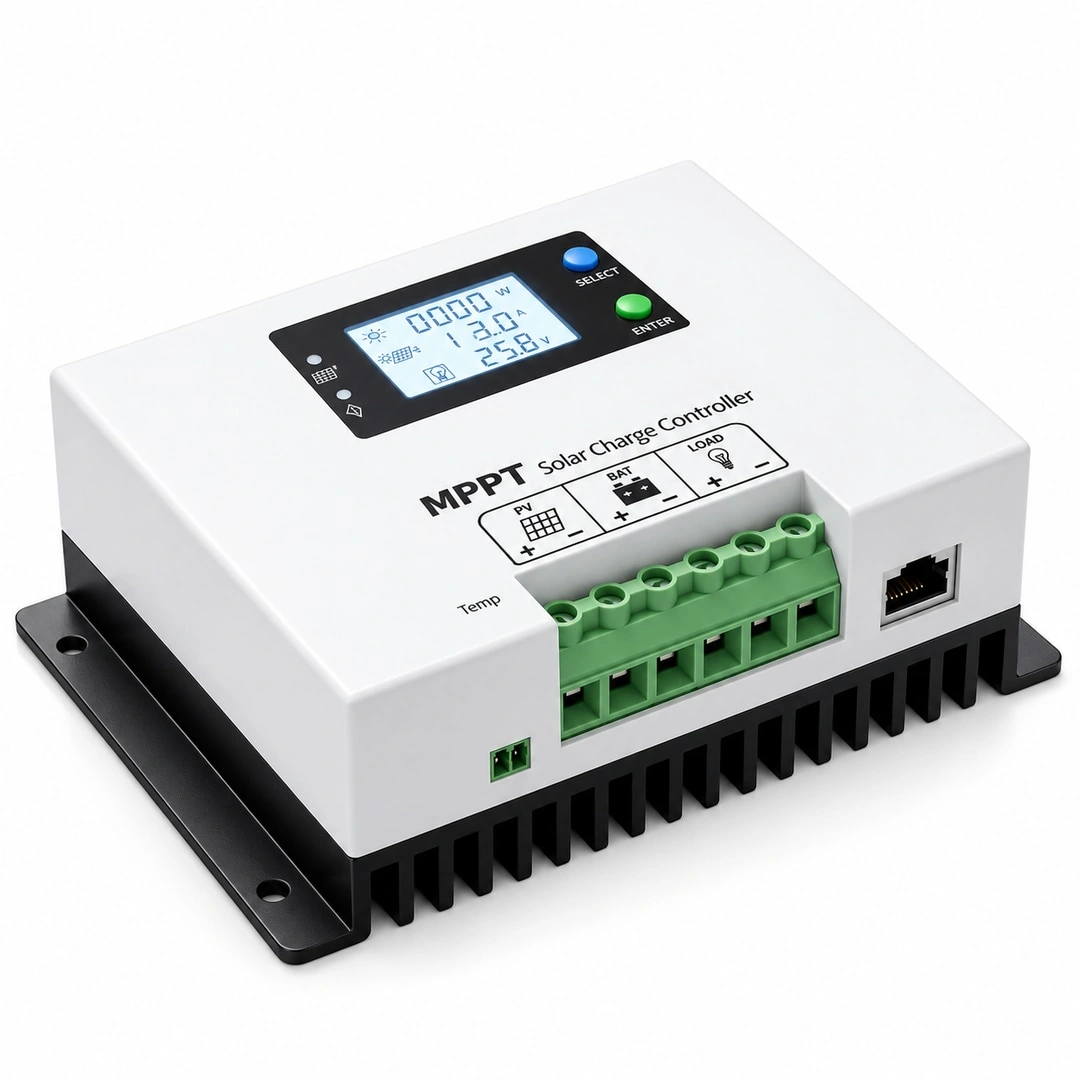
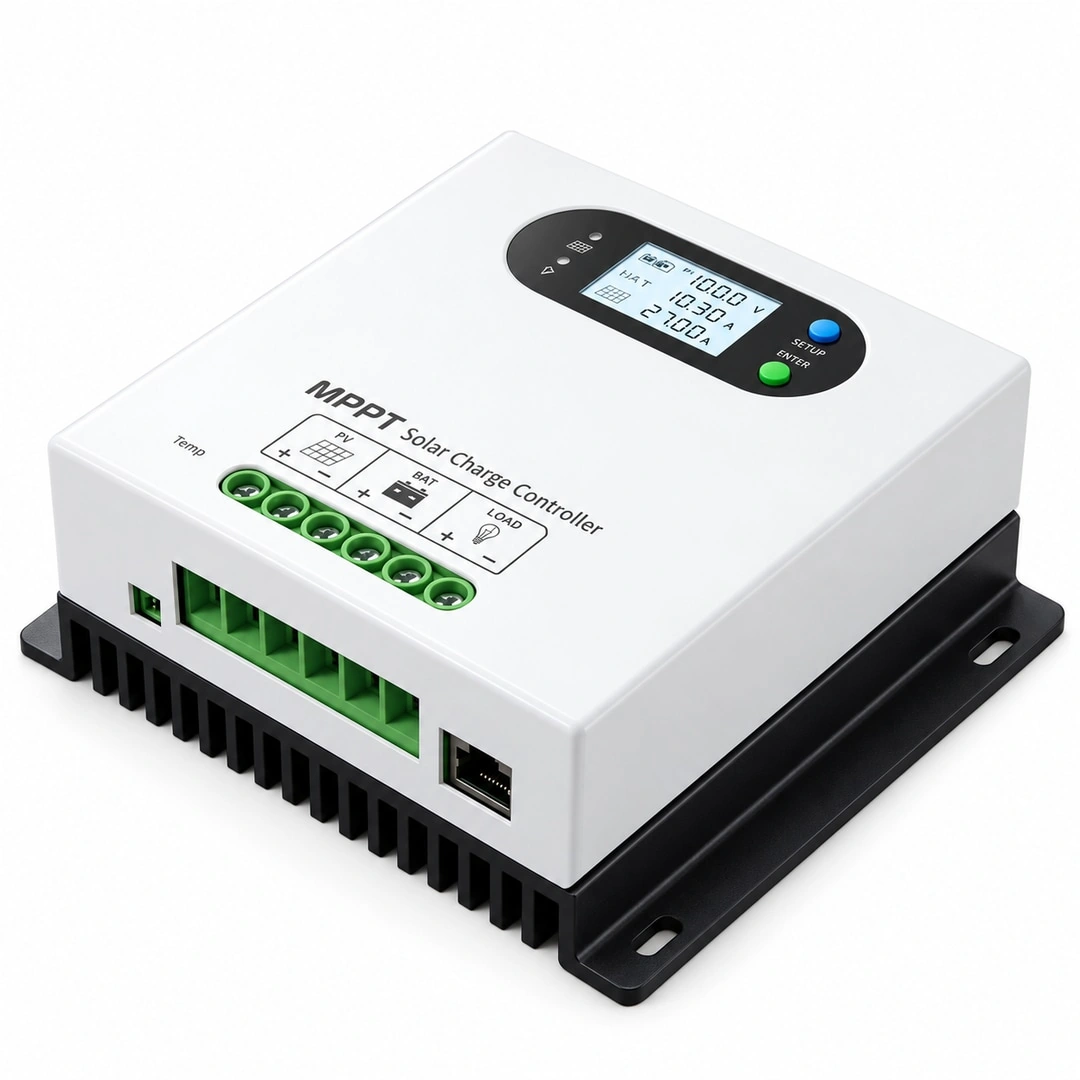
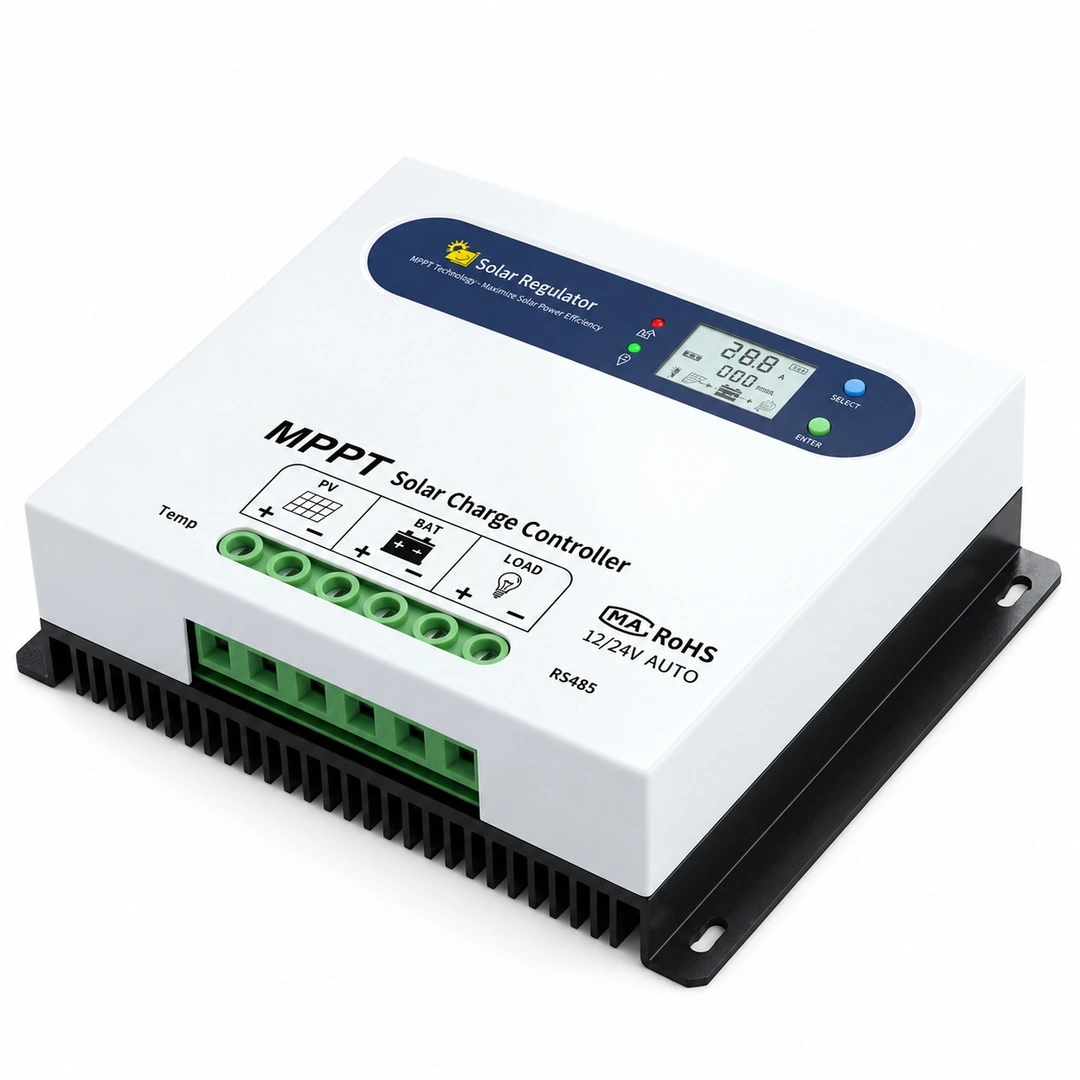
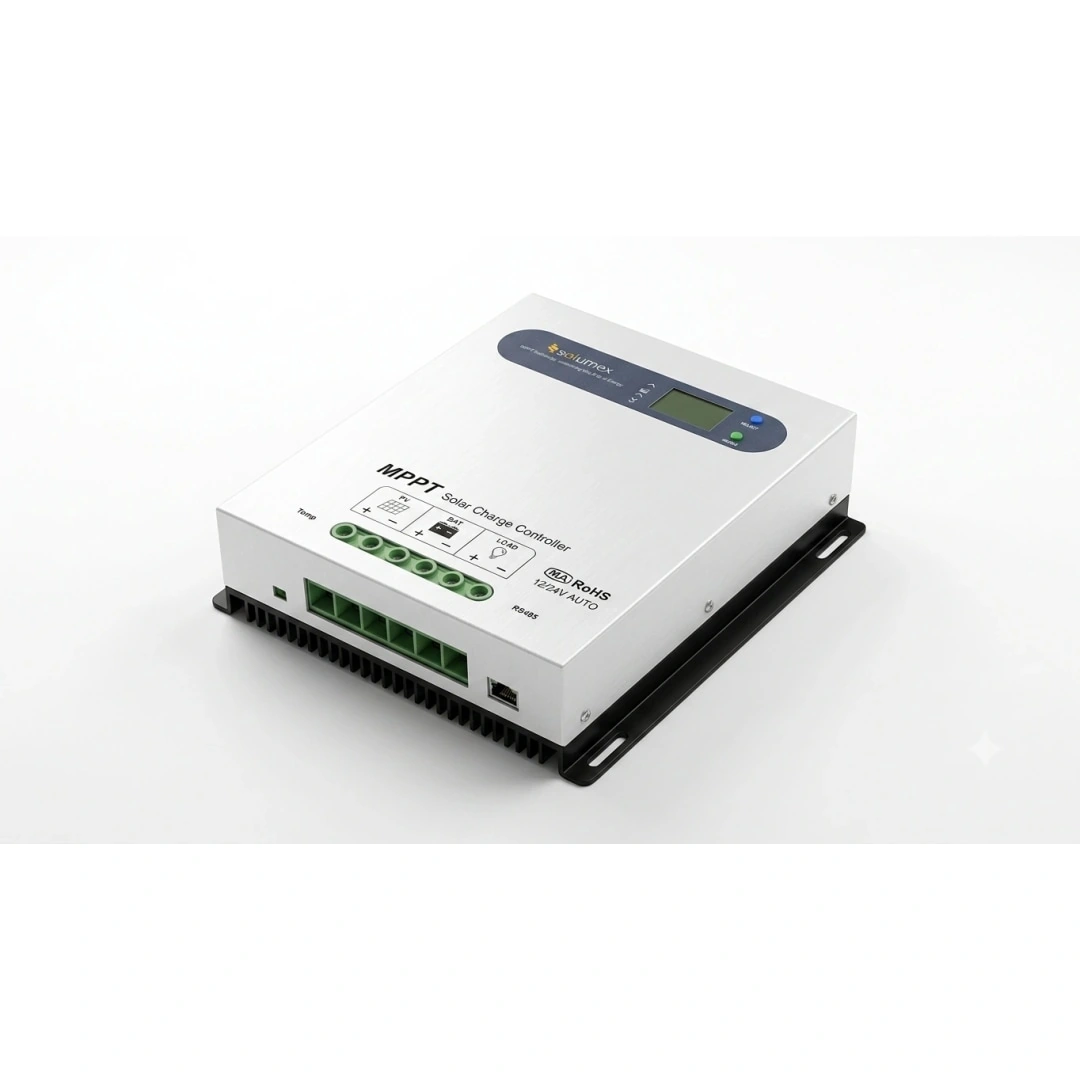
Select GY MPPT by model. Design load protection, bus output and emergency isolation separately rather than assuming the controller’s LOAD terminals can supply all onboard equipment.
Estimate autonomy from moored consumption
Record refrigerator duty cycle, night lighting, ventilation and pump use to calculate overnight and daily consumption. Convert nominal battery kWh to usable energy, allowing for conversion losses and reserves for priority loads.
Masts, rigging, equipment and vessel orientation change PV shading and available area. Treat solar as a site-assessed recharge source rather than assuming it continuously covers every load.
Verify the installation environment
Check ingress protection, corrosion resistance, salt exposure and mounting requirements. GY documentation specifies IP32, so use a suitable protected location with cooling, condensation management, cable sealing and service access. Confirm the battery’s required marine suitability separately.
Include structural mounting, abrasion protection, corrosion inspection and maintenance. Coordinate shore power, hull grounding and protection between sources for the actual vessel.
What to share for project selection
Share vessel, service-bus voltage, loads, moored duration, charging sources and compartment conditions. If batteries, PV modules, inverters or chargers already exist, include nameplate photographs and manuals for compatibility review.
These details support a load and energy budget, controller/storage comparison and confirmation of interfaces, installation and protection. Final models, quantities and operating targets depend on the complete configuration review; use the product pages and documentation as the starting point.